
Public health positions are the cornerstone of a healthy society, encompassing a wide range of roles that directly impact the well-being of communities. From research and policy development to community outreach and program implementation, these professionals work tirelessly to promote health equity, prevent disease, and improve the overall health of individuals and populations.
These positions require a unique blend of skills, including data analysis, communication, program management, and community engagement. Public health professionals must be adept at understanding complex health issues, collaborating with diverse stakeholders, and implementing evidence-based solutions to address public health challenges.
Definition and Scope
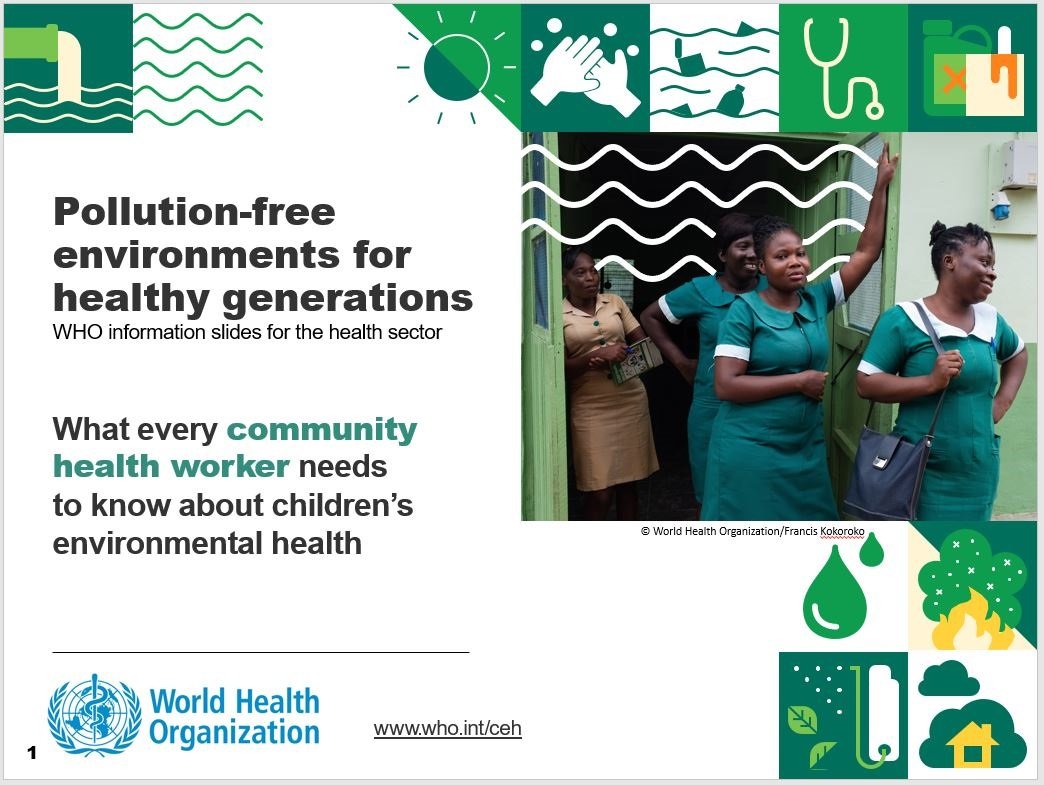
Public health positions play a vital role in safeguarding the well-being of communities by promoting health, preventing diseases, and ensuring equitable access to healthcare. These positions encompass a wide range of disciplines and responsibilities, contributing to a healthier society.
Public Health Positions: A Diverse Landscape
Public health positions are diverse, spanning various fields and levels of expertise. These roles contribute to the overall public health mission by addressing different aspects of health promotion and disease prevention.
- Research and Policy:Public health researchers analyze health trends, conduct epidemiological studies, and develop evidence-based policies to address health issues. These professionals work in academic institutions, government agencies, and non-profit organizations.
- Community Outreach and Program Implementation:Public health professionals engage with communities to promote healthy behaviors, educate individuals about health risks, and implement health programs. These roles are found in community health centers, local health departments, and non-profit organizations.
- Health Education and Communication:Public health educators develop and deliver health education materials, campaigns, and programs to raise awareness and empower individuals to make informed health decisions. These professionals work in schools, hospitals, community organizations, and government agencies.
- Environmental Health:Environmental health professionals work to protect public health by addressing environmental hazards, such as air and water pollution, food safety, and hazardous waste management. These roles are found in government agencies, consulting firms, and non-profit organizations.
Examples of Public Health Positions
Here are examples of specific public health positions and their roles:
| Position | Responsibilities |
|---|---|
| Epidemiologist | Investigates disease outbreaks, analyzes health data, and identifies risk factors for diseases. |
| Health Educator | Develops and delivers health education programs, promotes healthy behaviors, and provides health information to individuals and communities. |
| Public Health Analyst | Collects, analyzes, and interprets health data to inform public health policies and programs. |
| Environmental Health Specialist | Assesses environmental hazards, enforces environmental regulations, and promotes public health through environmental protection measures. |
Essential Skills and Qualifications
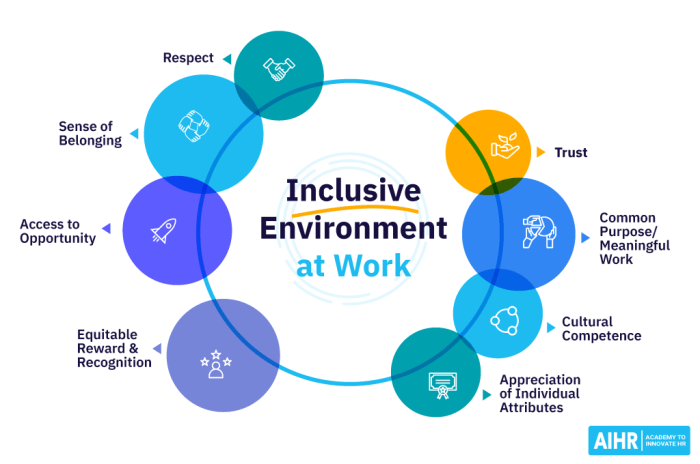
Public health professionals play a vital role in safeguarding the well-being of communities. To effectively navigate the complexities of this field, they require a unique blend of skills and qualifications. This section delves into the essential components that contribute to a successful career in public health.
Essential Skills
Public health professionals need a diverse skill set to tackle the multifaceted challenges they face. These skills encompass both technical expertise and interpersonal abilities.
- Data Analysis: Public health relies heavily on data to understand health trends, identify risk factors, and evaluate the effectiveness of interventions. Professionals need to be proficient in collecting, analyzing, and interpreting data using statistical software and other analytical tools. For instance, epidemiologists use statistical software to analyze disease patterns and identify potential causes, while program evaluators use data to assess the impact of public health interventions.
- Communication: Public health professionals must effectively communicate complex health information to diverse audiences, including policymakers, community members, and other healthcare professionals. This includes both written and oral communication skills, such as crafting reports, presenting findings, and engaging in public health campaigns.
- Program Management: Public health professionals often manage programs and initiatives designed to improve population health. This requires skills in project planning, budgeting, resource allocation, and program evaluation. For example, a public health program manager might oversee a community health outreach program, ensuring its efficient implementation and effectiveness.
- Community Engagement: Public health interventions are most successful when they are tailored to the needs and priorities of the communities they serve. Professionals must be adept at building relationships with community members, understanding their perspectives, and collaborating with them to develop and implement programs.
This can involve working with community leaders, participating in public forums, and engaging in community-based participatory research.
Education and Certifications
Formal education and professional certifications are crucial for demonstrating competence and advancing in the field of public health.
A public health position requires a strong understanding of community needs and the ability to advocate for their well-being. One aspect of this advocacy can involve understanding consumer rights, such as those related to product returns. For example, it’s important to be aware of the Ulta Beauty return policy , as it can impact the health and safety of individuals who purchase products from them.
By staying informed about these policies, public health professionals can better serve their communities.
- Education: A bachelor’s degree in public health or a related field is often the minimum requirement for entry-level positions. However, many professionals pursue advanced degrees, such as a Master of Public Health (MPH) or a Doctor of Public Health (DrPH), to specialize in areas like epidemiology, health policy, or environmental health.
- Certifications: Professional certifications can enhance credibility and demonstrate expertise in specific areas of public health. For example, the Certified Health Education Specialist (CHES) credential is recognized for health educators, while the Certified in Public Health (CPH) credential is a broad certification for public health professionals.
Career Paths and Advancement: Public Health Position
A career in public health offers a rewarding journey with diverse opportunities for growth and advancement. Individuals can pursue specialized roles within the field, ascend to leadership positions, or even branch out into related sectors. The path to success is shaped by continuous learning, experience, and a commitment to improving community health.
Potential for Growth and Advancement
The public health field offers various pathways for professional development and career advancement. Individuals can specialize in specific areas, take on leadership roles, or move into related sectors.
- Specialization:Public health professionals can specialize in areas such as epidemiology, environmental health, health education, or health policy. This allows them to develop in-depth expertise and contribute to specific public health challenges.
- Leadership Roles:As professionals gain experience, they can assume leadership positions within public health organizations. These roles often involve managing teams, developing programs, and advocating for public health policies.
- Related Sectors:Public health skills are transferable to various sectors, including healthcare, government, research, and non-profit organizations. This allows professionals to explore diverse career options and contribute to public health goals in different settings.
Examples of Successful Career Paths
Here are examples of successful career paths in public health, showcasing the diversity of opportunities:
- Epidemiologist:An epidemiologist with a master’s degree and several years of experience could transition into a research scientist role at a university or a public health agency. This role would involve conducting research on disease outbreaks, analyzing data, and contributing to public health policy.
- Health Educator:A health educator with a bachelor’s degree and experience in community outreach could advance to a program manager role at a non-profit organization. This role would involve developing and implementing health education programs, managing budgets, and leading a team of health educators.
- Public Health Administrator:A public health administrator with a master’s in public health and several years of experience could become a director of a local health department. This role would involve overseeing a wide range of public health programs, managing staff, and advocating for public health policies at the local level.
Skills Needed for Career Advancement
To navigate the diverse career paths in public health, professionals need to develop a range of essential skills:
- Analytical Skills:Public health professionals analyze data, identify trends, and evaluate program effectiveness. Strong analytical skills are crucial for making informed decisions and developing effective interventions.
- Communication Skills:Effective communication is essential for collaborating with colleagues, engaging with communities, and advocating for public health policies. Public health professionals need to be able to communicate complex information clearly and persuasively.
- Leadership Skills:As professionals advance, they may assume leadership roles, requiring them to motivate teams, manage projects, and make strategic decisions. Developing leadership skills is crucial for driving positive change in public health.
Impact on Public Health

Public health positions play a critical role in safeguarding and improving the health and well-being of communities. Public health professionals work tirelessly to prevent disease, promote healthy lifestyles, and ensure equitable access to healthcare. Their contributions are essential for building a healthier and more resilient society.
Disease Prevention
Public health professionals are at the forefront of efforts to prevent disease outbreaks and control the spread of infectious diseases. They work to identify and monitor public health threats, develop and implement prevention strategies, and educate the public about health risks.
For instance, during the COVID-19 pandemic, public health professionals played a crucial role in:
- Developing and implementing public health measures, such as social distancing and mask mandates, to slow the spread of the virus.
- Conducting contact tracing to identify and isolate infected individuals.
- Leading vaccine development and distribution efforts.
- Providing accurate and timely information to the public to promote public health awareness.
Health Promotion, Public health position
Public health professionals also work to promote healthy behaviors and lifestyles, such as:
- Educating the public about the benefits of healthy eating and physical activity.
- Developing and implementing health education programs in schools, workplaces, and communities.
- Advocating for policies that promote healthy environments, such as smoke-free public spaces and safe pedestrian and bicycle infrastructure.
These efforts contribute to reducing chronic diseases, such as heart disease, stroke, and diabetes, which are leading causes of morbidity and mortality in many countries.
Health Equity
Public health professionals are committed to ensuring that everyone has access to quality healthcare, regardless of their race, ethnicity, socioeconomic status, or geographic location. They work to:
- Identify and address health disparities, which are differences in health outcomes between different population groups.
- Develop and implement programs that target vulnerable populations, such as low-income families, minorities, and people with disabilities.
- Advocate for policies that promote health equity, such as universal healthcare coverage and access to affordable housing and nutritious food.
“Health equity means that everyone has the opportunity to attain their full health potential. It requires removing obstacles to health such as poverty, discrimination, and lack of access to quality education, housing, and healthcare.”
Challenges and Opportunities
Public health professionals face a complex and ever-evolving landscape, navigating both significant challenges and exciting opportunities. This section explores the key hurdles and promising avenues for innovation within the field, highlighting the dynamic nature of public health work.
Resource Constraints
Resource constraints are a persistent challenge for public health professionals. Limited funding, staffing shortages, and inadequate infrastructure can hinder efforts to implement effective programs and services. This often leads to difficult decisions regarding resource allocation, prioritizing interventions, and adapting to changing needs.
- Funding Shortages:Public health programs often face fierce competition for limited government funding, making it challenging to secure adequate resources for essential initiatives. This can lead to program cuts, service reductions, and delayed implementation of critical interventions.
- Staffing Shortages:The public health workforce is often understaffed, leading to burnout and difficulty in attracting and retaining qualified professionals. This shortage can limit the capacity to effectively address public health issues and implement programs.
- Infrastructure Deficiencies:Inadequate infrastructure, such as outdated facilities, limited access to technology, and insufficient data systems, can hinder public health efforts. This can create barriers to data collection, program implementation, and effective communication with communities.
Ethical Dilemmas
Ethical dilemmas are inherent in public health work, often requiring professionals to balance individual rights with the collective good. These dilemmas can arise in areas such as disease surveillance, vaccine mandates, and resource allocation, necessitating careful consideration of ethical principles and the potential impact of decisions.
- Privacy vs. Public Health:Public health professionals must navigate the delicate balance between protecting individual privacy and the need to collect and use data for public health purposes. This tension can arise in areas such as contact tracing, disease surveillance, and data sharing.
- Mandatory Interventions:Public health measures, such as vaccine mandates or quarantine orders, can raise ethical concerns regarding individual autonomy and the right to refuse medical treatment. Balancing the need to protect the public health with respecting individual rights is a complex challenge.
- Resource Allocation:Limited resources often necessitate difficult decisions regarding the allocation of funds and services. Ethical considerations arise when prioritizing interventions, determining who benefits most, and ensuring equitable access to care.
Changing Health Landscapes
Public health professionals face a constantly evolving landscape of health challenges, influenced by factors such as emerging diseases, climate change, and technological advancements. Adapting to these changes requires ongoing learning, innovation, and a commitment to evidence-based practices.
- Emerging Infectious Diseases:The emergence of new infectious diseases, such as COVID-19, presents significant challenges for public health systems. Rapid response, disease containment, and effective communication are crucial for mitigating the impact of these outbreaks.
- Climate Change:Climate change is increasingly recognized as a major public health threat, leading to changes in disease patterns, increased heat-related illnesses, and environmental degradation. Public health professionals must adapt to these challenges and promote climate-resilient health systems.
- Technological Advancements:Rapid advancements in technology, such as artificial intelligence, big data analytics, and telemedicine, offer both opportunities and challenges for public health. These technologies can enhance surveillance, disease prediction, and health communication, but they also raise ethical considerations and require careful integration into public health practices.
Opportunities for Innovation
Despite the challenges, public health professionals have numerous opportunities for innovation and advancement. Emerging technologies, evolving public health priorities, and a growing focus on health equity provide fertile ground for developing new solutions and improving population health outcomes.
- Data-Driven Public Health:The availability of large datasets and advanced analytics tools allows for more sophisticated disease surveillance, risk assessment, and intervention planning. This data-driven approach can lead to more targeted and effective public health programs.
- Precision Public Health:Advances in genetics, genomics, and personalized medicine offer the potential to tailor interventions to individual needs and risk factors. This precision public health approach can lead to more effective disease prevention and management.
- Community Engagement:Engaging communities in public health initiatives is crucial for developing culturally relevant programs and fostering trust. This involves actively listening to community concerns, building partnerships, and empowering individuals to become agents of change.
Current Trends Shaping the Future of Public Health
Several current trends are shaping the future of public health positions, creating new opportunities and challenges for professionals. These trends highlight the dynamic and evolving nature of the field, emphasizing the need for adaptability and innovation.
A public health position often requires a commitment to promoting community well-being, which can involve encouraging healthy lifestyles. For example, individuals might be interested in fitness centers like LA Fitness, and checking their hours of operation is a great first step.
Ultimately, promoting physical activity aligns with public health goals, contributing to a healthier society.
- Focus on Health Equity:Addressing health disparities and promoting health equity is increasingly recognized as a core public health priority. This involves identifying and addressing systemic barriers to health, such as poverty, discrimination, and lack of access to care.
- Increased Emphasis on Prevention:Public health is shifting towards a more preventative approach, focusing on upstream interventions to address the root causes of disease and promote health and well-being. This involves investing in early childhood development, healthy environments, and social determinants of health.
A public health position often involves advocating for healthy choices, and that includes promoting awareness of potential hazards in personal care products. For instance, if you’re looking for a local store to buy beauty supplies, you might check out Sally’s Beauty near NE for a wide range of options.
Public health professionals can play a vital role in educating consumers about safe and responsible product usage, ensuring the well-being of the community.
- Interdisciplinary Collaboration:Public health professionals are increasingly working with other disciplines, such as engineering, social sciences, and environmental health, to address complex health challenges. This interdisciplinary approach allows for a more comprehensive understanding of health issues and the development of innovative solutions.
Professional Organizations and Resources
Public health professionals benefit immensely from engaging with professional organizations and accessing valuable resources. These entities provide a platform for networking, professional development, and staying abreast of the latest advancements in the field.
Key Professional Organizations
Professional organizations play a crucial role in supporting public health professionals by offering networking opportunities, professional development programs, and access to cutting-edge research. Here are some prominent organizations:
- American Public Health Association (APHA):The APHA is the oldest and largest public health organization in the world, dedicated to promoting and protecting the health of all people. It offers numerous resources, including publications, conferences, and advocacy initiatives.
- Public Health Foundation (PHF):The PHF is a non-profit organization that supports public health research, education, and practice. It provides grants, fellowships, and other resources to advance public health efforts.
- Association of Schools of Public Health (ASPH):The ASPH represents accredited schools and programs of public health in the United States. It promotes excellence in public health education and research.
- American College of Epidemiology (ACE):The ACE is a professional organization for epidemiologists, focusing on advancing the science and practice of epidemiology.
- American Society for Public Health Education (ASPHE):The ASPHE is dedicated to promoting and supporting public health education and health promotion practices.
Online Platforms and Journals
Online platforms and journals serve as valuable resources for public health professionals, providing access to the latest research, news, and best practices.
- Centers for Disease Control and Prevention (CDC):The CDC is a leading source of information on public health issues, including infectious diseases, chronic diseases, and environmental health.
- National Institutes of Health (NIH):The NIH is the primary federal agency for conducting and supporting biomedical research. It offers a vast collection of research findings and resources.
- Public Health Reviews:This peer-reviewed journal publishes articles on a wide range of public health topics, including epidemiology, health policy, and health promotion.
- American Journal of Public Health:This journal is a leading publication for original research, policy analysis, and commentary on public health issues.
Research Centers
Research centers play a vital role in advancing public health knowledge and practice. They conduct research, train future public health professionals, and disseminate findings to inform public health policy and interventions.
- Johns Hopkins Center for Public Health Research:This center focuses on research in areas such as infectious diseases, global health, and health policy.
- Harvard T.H. Chan School of Public Health:This school has numerous research centers dedicated to addressing critical public health challenges.
- University of California, Berkeley School of Public Health:This school boasts a strong research program in areas such as environmental health, health disparities, and health behavior.
Table of Professional Organizations and Resources
| Organization | Website | Contact Information | Key Resources |
|---|---|---|---|
| American Public Health Association (APHA) | https://www.apha.org/ | (202) 777-2742 | Publications, conferences, advocacy initiatives |
| Public Health Foundation (PHF) | https://www.phf.org/ | (202) 296-4800 | Grants, fellowships, research support |
| Association of Schools of Public Health (ASPH) | https://www.asph.org/ | (202) 296-2274 | Accreditation, education, research |
| American College of Epidemiology (ACE) | https://www.acenet.edu/ | (301) 656-6560 | Epidemiology research, education, professional development |
| American Society for Public Health Education (ASPHE) | https://www.asphe.org/ | (800) 727-4743 | Public health education, health promotion, professional development |
| Centers for Disease Control and Prevention (CDC) | https://www.cdc.gov/ | (404) 639-3311 | Public health data, research, surveillance |
| National Institutes of Health (NIH) | https://www.nih.gov/ | (301) 496-4000 | Biomedical research funding, grants, publications |
| Johns Hopkins Center for Public Health Research | https://www.jhsph.edu/research/ | (410) 955-3000 | Infectious diseases, global health, health policy research |
| Harvard T.H. Chan School of Public Health | https://www.hsph.harvard.edu/ | (617) 432-1000 | Public health research, education, advocacy |
| University of California, Berkeley School of Public Health | https://publichealth.berkeley.edu/ | (510) 642-1000 | Environmental health, health disparities, health behavior research |
Final Thoughts
Public health positions are essential for building a healthier future. By tackling health disparities, promoting healthy behaviors, and advocating for policies that support health equity, these professionals play a critical role in shaping the health of our communities. As the field continues to evolve, embracing innovation and adapting to emerging challenges, public health positions will remain vital in ensuring the well-being of generations to come.
User Queries
What are the most common public health positions?
Some common public health positions include epidemiologists, health educators, public health administrators, environmental health specialists, and health policy analysts.
What are the salary expectations for public health positions?
Salaries for public health positions vary depending on experience, location, and specific role. It’s recommended to research salary ranges for specific positions and locations.
What are some resources for finding public health jobs?
Websites like Indeed, LinkedIn, and the American Public Health Association (APHA) job board are great resources for finding public health positions.