
American health imaging stands at the forefront of a revolution in healthcare, transforming how we diagnose, treat, and monitor diseases. The field is rapidly evolving, driven by technological advancements, innovative applications, and a growing focus on personalized care. From the precision of MRI scans to the speed of X-rays, medical imaging technologies are playing a pivotal role in improving patient outcomes and advancing medical knowledge.
This dynamic industry is characterized by a diverse landscape of key players, each contributing to the advancement of health imaging. These players are navigating a complex regulatory environment while responding to the evolving needs of patients and healthcare providers.
The impact of artificial intelligence (AI) and machine learning (ML) on image interpretation is particularly significant, ushering in a new era of precision and efficiency in healthcare.
The American Health Imaging Landscape
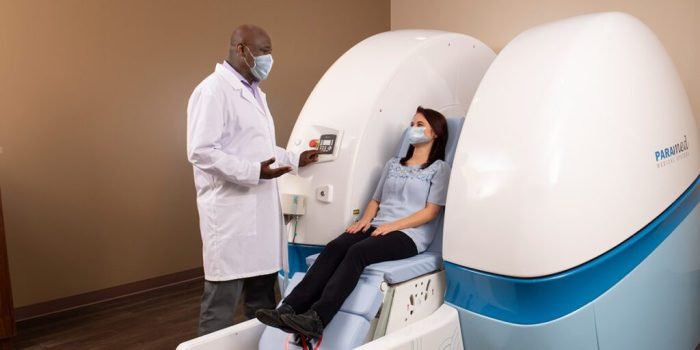
The American health imaging industry is a dynamic and rapidly evolving sector, playing a crucial role in the diagnosis, treatment, and monitoring of various medical conditions. It encompasses a wide range of technologies and services, from traditional X-rays to advanced magnetic resonance imaging (MRI) and computed tomography (CT) scans.
Key Players and Market Share
The American health imaging market is dominated by a few major players, including:
- General Electric Healthcare (GE Healthcare):GE Healthcare is a global leader in medical imaging, offering a comprehensive range of products and services, including CT scanners, MRI systems, ultrasound equipment, and digital mammography systems. They hold a significant market share in the American market.
- Siemens Healthineers:Siemens Healthineers is another prominent player in the health imaging industry, known for its advanced imaging technologies, including MRI systems, CT scanners, and molecular imaging equipment. They have a substantial presence in the American market.
- Philips Healthcare:Philips Healthcare is a global leader in healthcare technology, offering a wide range of imaging solutions, including CT scanners, MRI systems, ultrasound equipment, and digital mammography systems. They have a strong presence in the American market.
- Hologic:Hologic is a leading provider of women’s health imaging solutions, specializing in digital mammography systems, bone densitometry equipment, and other imaging technologies for women’s health. They have a significant market share in the American market.
Major Trends Shaping the Industry
The American health imaging industry is experiencing significant transformations driven by technological advancements, regulatory changes, and evolving patient demands. Some of the key trends shaping the industry include:
- Technological Advancements:Advancements in imaging technologies, such as artificial intelligence (AI), machine learning, and cloud computing, are revolutionizing the industry. AI-powered image analysis tools are being used to improve diagnostic accuracy, reduce reading time, and enhance workflow efficiency. Cloud-based imaging platforms are enabling remote access to images, facilitating collaboration among healthcare providers and improving patient care.
- Regulatory Changes:Regulatory changes, such as the implementation of the Affordable Care Act (ACA), have influenced the industry by promoting value-based care and incentivizing the use of imaging technologies that improve outcomes and reduce costs. The Centers for Medicare & Medicaid Services (CMS) has implemented initiatives to promote appropriate imaging utilization, such as the use of imaging appropriateness criteria and the development of quality reporting programs.
- Patient Demand:Patients are increasingly demanding access to advanced imaging technologies, seeking faster diagnosis, personalized treatment plans, and improved outcomes. The rise of consumerism in healthcare has led to increased awareness of imaging options and the desire for convenient and high-quality care.
Technologies and Innovations

The American health imaging landscape is continuously evolving, driven by advancements in medical imaging technologies and the integration of artificial intelligence (AI) and machine learning (ML). These innovations are transforming how medical images are acquired, analyzed, and interpreted, leading to improved diagnoses, personalized treatments, and enhanced patient care.
Advanced Imaging Technologies
Recent advancements in medical imaging technologies have significantly improved image quality, resolution, and speed, enabling clinicians to obtain more detailed and accurate information about the human body.
American health imaging plays a crucial role in diagnosing and monitoring various conditions, from bone fractures to internal organ issues. For those seeking to improve their overall health and well-being, club 4 fitness offers a comprehensive range of fitness programs and resources.
By staying active and maintaining a healthy lifestyle, individuals can potentially reduce their risk of developing health issues that might require imaging services.
- Magnetic Resonance Imaging (MRI):MRI technology has seen significant advancements in recent years, leading to faster scan times, improved image quality, and enhanced capabilities for visualizing soft tissues and organs. For instance, diffusion-weighted imaging (DWI) allows for the detection of early changes in brain tissue, aiding in the diagnosis of stroke and other neurological conditions.
- Computed Tomography (CT):CT technology has evolved to provide higher resolution images with reduced radiation exposure. Multi-slice CT scanners enable faster acquisition of images, allowing for the visualization of complex anatomical structures and the detection of subtle abnormalities. Advanced CT techniques like coronary CT angiography are now used to diagnose coronary artery disease without the need for invasive procedures.
- Ultrasound:Ultrasound technology has advanced significantly with the development of new probes and imaging techniques. High-frequency ultrasound allows for improved visualization of small structures, while Doppler ultrasound provides information about blood flow. 3D ultrasound imaging provides detailed anatomical views, enhancing diagnosis and surgical planning.
- X-ray:While a traditional imaging technique, X-ray technology has also seen advancements. Digital radiography has replaced traditional film-based systems, offering faster image acquisition, improved image quality, and enhanced image manipulation capabilities.
AI and Machine Learning in Health Imaging
AI and ML are revolutionizing health imaging by automating tasks, improving accuracy, and enhancing diagnostic capabilities.
- Image Analysis:AI algorithms can analyze medical images, identifying patterns and anomalies that may be difficult for human radiologists to detect. This can improve the accuracy of diagnoses and facilitate earlier detection of diseases.
- Automated Image Interpretation:AI systems can assist radiologists in interpreting medical images, providing insights and suggestions that can help them make more informed decisions.
- Personalized Treatment Planning:AI can analyze patient data, including medical images, to develop personalized treatment plans that are tailored to their specific needs.
- Disease Prediction:AI models can be trained to identify individuals at risk for certain diseases based on their medical images. This can allow for early intervention and potentially prevent disease progression.
Big Data and Analytics in Health Imaging
The increasing availability of medical images and patient data presents an opportunity to leverage big data and analytics to improve image interpretation and diagnosis.
- Data Mining:Big data analytics techniques can be used to identify trends and patterns in large datasets of medical images, providing valuable insights into disease progression, treatment effectiveness, and population health.
- Predictive Modeling:Machine learning models can be trained on large datasets to predict disease outcomes and identify patients who may benefit from specific treatments.
- Quality Control:Big data analytics can be used to monitor the quality of medical images and identify potential errors in image acquisition or interpretation.
Clinical Applications and Benefits
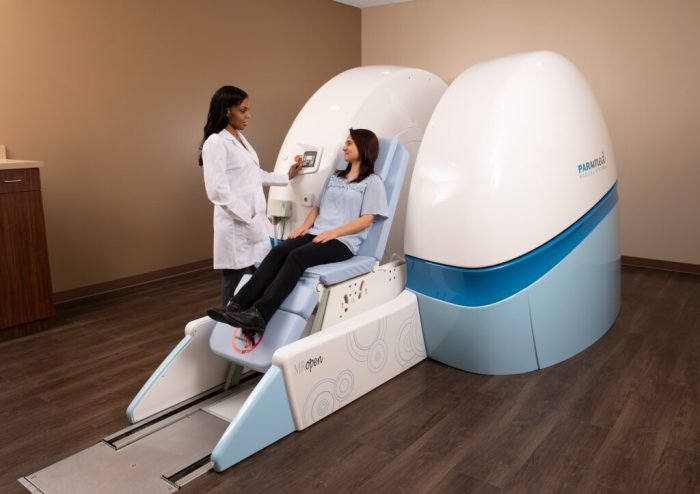
Health imaging plays a crucial role in modern healthcare, providing valuable insights into the human body and aiding in the diagnosis, treatment, and monitoring of a wide range of medical conditions. Its applications span across numerous clinical specialties, offering significant benefits to both patients and healthcare professionals.
Disease Diagnosis
Health imaging techniques provide detailed anatomical and physiological information, enabling accurate diagnosis of various diseases.
- Radiography: X-rays are widely used to diagnose bone fractures, pneumonia, and other conditions affecting the skeletal system and lungs.
- Computed Tomography (CT) Scans: CT scans create cross-sectional images of the body, providing detailed views of internal organs and tissues, aiding in the diagnosis of cancer, heart disease, and neurological disorders.
- Magnetic Resonance Imaging (MRI): MRI utilizes magnetic fields and radio waves to produce detailed images of soft tissues, muscles, ligaments, and organs, aiding in the diagnosis of brain tumors, spinal cord injuries, and musculoskeletal disorders.
- Ultrasound: Ultrasound uses sound waves to create images of internal organs and structures, allowing for the diagnosis of pregnancy complications, gallbladder stones, and other conditions.
- Nuclear Medicine Imaging: Techniques like PET scans and SPECT scans use radioactive tracers to visualize metabolic activity and blood flow, aiding in the diagnosis of cancer, heart disease, and neurological disorders.
Treatment Planning, American health imaging
Health imaging plays a vital role in planning and guiding various medical treatments, ensuring precision and minimizing potential complications.
- Radiation Therapy: CT and MRI scans are used to precisely target tumors and minimize damage to surrounding healthy tissues during radiation therapy for cancer treatment.
- Surgery: Pre-operative imaging allows surgeons to visualize the anatomy of the surgical site, plan the surgical approach, and minimize risks.
- Orthopedic Procedures: Imaging techniques are essential for planning and guiding orthopedic surgeries, including joint replacements and fracture repairs.
Monitoring Treatment Response
Health imaging is used to monitor the effectiveness of treatment and detect any changes or complications.
- Cancer Treatment: Regular imaging scans help monitor the response to chemotherapy, radiation therapy, or surgery, and detect any recurrence of cancer.
- Heart Disease: Echocardiograms and cardiac MRI scans are used to assess heart function, monitor the effectiveness of medications, and detect any changes in heart structure or function.
- Neurological Conditions: MRI scans are used to monitor the progression of neurological conditions like multiple sclerosis and stroke, and assess the effectiveness of treatment.
Benefits of Health Imaging
Health imaging offers numerous benefits to patients, leading to improved healthcare outcomes and enhanced patient experience.
- Improved Accuracy: Health imaging provides detailed and accurate information about the human body, leading to more accurate diagnoses and treatment plans.
- Earlier Detection: Imaging techniques can detect abnormalities at an early stage, allowing for timely intervention and improving the chances of successful treatment.
- Personalized Care: Health imaging allows for personalized treatment plans based on individual patient characteristics and disease specifics, optimizing treatment outcomes.
- Minimally Invasive Procedures: Imaging-guided procedures allow for less invasive interventions, resulting in faster recovery times and reduced complications.
- Reduced Risk of Complications: Accurate diagnosis and treatment planning using health imaging helps minimize the risk of complications associated with medical procedures.
Advancements in Medical Fields
Health imaging has significantly contributed to advancements in various medical fields, revolutionizing the way diseases are diagnosed and treated.
- Oncology: Imaging techniques have transformed cancer diagnosis and treatment, enabling early detection, precise targeting of tumors, and monitoring of treatment response.
- Cardiology: Advances in cardiac imaging have improved the understanding of heart disease, allowing for early diagnosis, effective treatment planning, and monitoring of heart function.
- Neurology: Brain imaging techniques have revolutionized the diagnosis and treatment of neurological disorders, enabling the visualization of brain structures, function, and activity.
- Orthopedics: Imaging techniques have significantly improved the diagnosis and treatment of musculoskeletal disorders, leading to more accurate diagnoses and less invasive procedures.
- Obstetrics and Gynecology: Ultrasound imaging has become an indispensable tool in prenatal care, allowing for the monitoring of fetal development and detection of potential complications.
Challenges and Opportunities: American Health Imaging
The American health imaging industry is at a crossroads, facing both significant challenges and exciting opportunities. As technology continues to evolve at a rapid pace, the industry must adapt to meet the changing needs of patients and healthcare providers.
Cost Containment
The rising cost of healthcare is a major concern for patients, providers, and policymakers. Health imaging procedures can be expensive, and their utilization is often driven by factors beyond medical necessity. This leads to a need for strategies to contain costs while maintaining quality of care.
- Value-based care models: These models focus on providing high-quality care at a lower cost, incentivizing providers to deliver efficient and effective services. For example, the Centers for Medicare & Medicaid Services (CMS) has implemented bundled payment programs for certain procedures, including joint replacements and cardiac care, to encourage hospitals to optimize care and reduce costs.
- Utilization management programs: These programs aim to ensure that imaging procedures are used appropriately and only when medically necessary. They often involve pre-authorization requirements and clinical guidelines to help providers make informed decisions about ordering imaging studies. For instance, the American College of Radiology (ACR) has developed imaging appropriateness criteria that provide evidence-based recommendations for the use of specific imaging modalities.
- Technology advancements: New imaging technologies, such as artificial intelligence (AI) and machine learning, can help to improve the efficiency and accuracy of imaging procedures, potentially reducing the need for repeat scans and unnecessary tests. For example, AI-powered image analysis software can assist radiologists in identifying subtle abnormalities that may be missed by the human eye.
Access to Care
Access to quality health imaging services is essential for early diagnosis and treatment of diseases. However, disparities in access persist, particularly in underserved communities. This can be attributed to factors such as geographic location, socioeconomic status, and insurance coverage.
- Telehealth and remote imaging: These technologies can expand access to care by connecting patients with specialists and imaging services remotely. For example, a patient in a rural area can receive a virtual consultation with a radiologist and have their imaging studies interpreted remotely.
This can eliminate the need for travel and reduce wait times for care.
- Mobile imaging units: Mobile imaging units can bring services directly to patients in their communities, particularly in areas with limited access to traditional imaging facilities. For example, mobile mammography units can provide breast cancer screening services to women in underserved areas.
- Community outreach programs: These programs can educate patients about the importance of health imaging and help them navigate the healthcare system to access services. For example, community health centers can provide information about imaging procedures and connect patients with resources for financial assistance.
Cybersecurity
The increasing reliance on digital technology in healthcare has also increased the vulnerability of health imaging systems to cyberattacks. Sensitive patient data, such as medical images and personal information, can be compromised, potentially leading to data breaches and identity theft.
- Robust cybersecurity measures: Health imaging facilities need to implement strong cybersecurity measures to protect patient data and systems from cyberattacks. This includes using firewalls, intrusion detection systems, and data encryption to safeguard sensitive information. For example, the Health Insurance Portability and Accountability Act (HIPAA) sets standards for the protection of patient health information, including data security requirements.
- Employee training: Employees need to be trained on best practices for cybersecurity, including password management, phishing awareness, and reporting suspicious activity. For example, regular cybersecurity training can help employees identify and respond to potential threats.
- Collaboration and information sharing: Sharing information about cybersecurity threats and best practices can help the industry to better protect itself from attacks. For example, the Healthcare Information and Management Systems Society (HIMSS) offers resources and guidance on cybersecurity for healthcare organizations.
Opportunities for Growth and Innovation
Despite the challenges, the American health imaging industry has significant opportunities for growth and innovation. Advancements in technology, coupled with a growing demand for personalized and efficient healthcare, are driving the development of new imaging modalities and applications.
- Artificial intelligence (AI): AI is transforming the field of health imaging by automating tasks, improving accuracy, and enabling personalized care. For example, AI-powered image analysis software can assist radiologists in identifying subtle abnormalities that may be missed by the human eye, leading to earlier diagnosis and treatment.
AI can also be used to personalize imaging protocols based on patient characteristics, reducing the need for unnecessary scans and radiation exposure.
- Precision medicine: Precision medicine aims to tailor medical treatment to individual patients based on their genetic makeup, lifestyle, and other factors. Health imaging plays a crucial role in precision medicine by providing detailed information about a patient’s anatomy, physiology, and disease progression.
For example, molecular imaging techniques can identify specific biomarkers that are associated with certain diseases, enabling personalized treatment strategies.
- Telehealth and remote imaging: The growth of telehealth and remote imaging technologies is creating new opportunities for health imaging providers to expand their reach and provide services to patients in underserved areas. For example, remote imaging centers can provide high-quality imaging services to patients who live far from traditional imaging facilities, improving access to care and reducing wait times for diagnosis and treatment.
Regulation and Policy
The American health imaging landscape is heavily influenced by a complex web of regulations and policies. These rules govern everything from the safety and efficacy of imaging technologies to the reimbursement practices for imaging services. Understanding the regulatory landscape is crucial for stakeholders in the industry, including providers, manufacturers, and patients.
American health imaging encompasses a wide range of technologies, from X-rays to MRIs, used to diagnose and monitor various conditions. A strong focus on preventive care is evident in the name “Our Lady of Perpetual Health,” our lady of perpetual health , which underscores the importance of early detection and intervention.
This philosophy aligns well with the increasing use of health imaging in the United States, enabling early diagnosis and more effective treatment plans.
Role of Government Agencies
Government agencies play a significant role in shaping the health imaging industry. The Food and Drug Administration (FDA) is responsible for regulating the safety and effectiveness of medical devices, including imaging equipment. The Centers for Medicare and Medicaid Services (CMS) sets reimbursement rates for imaging services and plays a key role in determining the accessibility and affordability of these services.
The Department of Health and Human Services (HHS) oversees broader health policy, including the implementation of the Affordable Care Act (ACA), which has had a significant impact on the health imaging industry.
- FDA:The FDA sets standards for the design, manufacturing, and testing of medical imaging equipment. It also regulates the use of imaging technologies for specific diagnostic and therapeutic purposes. The FDA’s role in ensuring the safety and efficacy of imaging technologies is paramount to patient safety and the overall quality of care.
- CMS:CMS determines the reimbursement rates for imaging services, which directly impacts the financial viability of healthcare providers offering these services. The agency also plays a role in setting quality standards for imaging practices and promoting the use of evidence-based imaging protocols.
- HHS:HHS oversees the implementation of the ACA, which has introduced various initiatives aimed at improving healthcare quality and affordability. These initiatives have influenced the use of imaging technologies, promoting the use of appropriate and cost-effective imaging services.
Role of Professional Organizations
Professional organizations also play a crucial role in shaping the health imaging industry. Organizations like the American College of Radiology (ACR) and the Radiological Society of North America (RSNA) develop practice guidelines and standards for imaging procedures, promote research and education in the field, and advocate for policies that support the responsible use of imaging technologies.
- ACR:The ACR develops and publishes practice guidelines for various imaging procedures, ensuring consistent quality and safety across different healthcare facilities. The ACR also plays a role in accreditation and certification programs, promoting high-quality imaging practices.
- RSNA:The RSNA focuses on advancing the science and practice of radiology and other medical imaging modalities. It hosts a major annual conference, showcasing the latest advancements in the field and fostering collaboration among researchers and practitioners.
Impact of Healthcare Reform
The ACA has significantly impacted the health imaging industry, particularly through initiatives aimed at reducing healthcare costs and improving quality. These initiatives have led to a greater emphasis on value-based care, which rewards providers for delivering high-quality care at a lower cost.
This has driven a shift towards more appropriate and efficient use of imaging technologies.
- Value-based care:The ACA has incentivized the adoption of value-based care models, where providers are rewarded for achieving positive patient outcomes while controlling costs. This has led to a greater emphasis on appropriate imaging utilization, reducing unnecessary procedures and promoting the use of cost-effective technologies.
- Imaging appropriateness criteria:To promote the appropriate use of imaging technologies, various organizations, including the ACR and the American Medical Association (AMA), have developed imaging appropriateness criteria. These criteria provide guidance on when imaging is necessary and which specific imaging modality is most appropriate for a given clinical situation.
American health imaging is a crucial component of healthcare, offering valuable insights into the human body. However, the challenges of access and affordability are not limited to the US, making global health strategies like those discussed on healthbeautynfitness.com essential. These strategies aim to improve healthcare outcomes worldwide, including in areas like health imaging, ensuring that everyone has access to the technology and expertise they need for a healthier future.
Evolving Regulations and Their Impact
The regulatory landscape governing health imaging is constantly evolving, driven by technological advancements, changing healthcare needs, and evolving patient expectations.
- Artificial Intelligence (AI):The emergence of AI in medical imaging has raised new regulatory challenges. The FDA is actively working on developing frameworks for the regulation of AI-powered imaging tools, ensuring their safety and efficacy.
- Data privacy and security:The increasing use of digital imaging and electronic health records has raised concerns about data privacy and security. Regulations like the Health Insurance Portability and Accountability Act (HIPAA) are being strengthened to protect patient data and ensure its responsible use.
- Telehealth:The rise of telehealth has expanded the use of remote imaging services. Regulatory changes are being implemented to ensure the quality and safety of these services, including requirements for licensure and credentialing for providers practicing across state lines.
Future Trends and Predictions

The American health imaging landscape is poised for significant transformation driven by technological advancements, evolving societal needs, and emerging healthcare trends. These trends will shape the future of healthcare delivery, patient outcomes, and the overall health imaging industry.
Advancements in Artificial Intelligence and Machine Learning
Artificial intelligence (AI) and machine learning (ML) are revolutionizing health imaging by enhancing diagnostic accuracy, improving workflow efficiency, and personalizing patient care. AI-powered algorithms can analyze medical images, detect subtle abnormalities, and provide insights that may be missed by human radiologists.
- AI-assisted image analysis can improve diagnostic accuracy, particularly in complex cases where human interpretation may be limited. For example, AI algorithms have shown promise in detecting early signs of breast cancer, lung cancer, and other diseases.
- AI can streamline workflow by automating tasks such as image segmentation, annotation, and report generation. This can free up radiologists to focus on more complex cases and improve overall efficiency.
- AI-powered personalized medicine can tailor treatment plans based on individual patient characteristics and imaging data. This can lead to more effective and targeted therapies, improving patient outcomes.
Last Recap

The future of American health imaging is bright, promising continued innovation and advancements that will benefit patients and healthcare providers alike. The integration of telehealth, remote imaging, and personalized medicine will further revolutionize healthcare delivery, enhancing access to care and improving patient outcomes.
As technology continues to evolve, the field of American health imaging will remain at the forefront of healthcare innovation, shaping the future of medicine and improving the lives of millions.
Essential FAQs
What are the most common types of medical imaging?
The most common types of medical imaging include X-rays, CT scans, MRI scans, ultrasound, and PET scans. Each type of imaging uses different technologies to produce images of the inside of the body.
How does AI impact medical imaging?
AI is being used to improve the accuracy and efficiency of image interpretation. AI algorithms can help radiologists identify abnormalities in images, assist in diagnosis, and provide personalized treatment recommendations.
What are the benefits of using medical imaging?
Medical imaging offers numerous benefits, including early disease detection, accurate diagnosis, personalized treatment planning, and improved patient outcomes. It also allows doctors to monitor the effectiveness of treatment and detect any potential complications.
What are the challenges facing the medical imaging industry?
Challenges facing the industry include cost containment, access to care, cybersecurity, and the need for ongoing research and development to keep pace with technological advancements.