
New York Health and Hospital Corporation (HHC), the largest public healthcare system in the United States, stands as a critical lifeline for millions of New Yorkers. Founded in 1969, HHC’s mission is to provide accessible, high-quality healthcare to all residents, regardless of their ability to pay.
This sprawling network of hospitals, clinics, and community programs serves as a vital resource, particularly for low-income and underserved communities.
HHC’s reach extends far beyond its impressive infrastructure. The organization plays a crucial role in shaping the health landscape of New York City, addressing public health challenges, and fostering innovation in healthcare delivery. From emergency medicine and mental health services to specialized programs for chronic diseases, HHC offers a comprehensive range of care, ensuring that every resident has access to the treatment they need.
Overview of New York Health and Hospitals Corporation (HHC)
The New York Health and Hospitals Corporation (HHC) is the largest public health system in the United States, serving over 1.4 million New Yorkers each year. It is a vital component of the city’s healthcare infrastructure, providing a wide range of services to all residents, regardless of their ability to pay.
History and Mission
HHC was established in 1969 by the New York State Legislature to consolidate the city’s public hospitals and health clinics into a single, unified system. Its mission is to provide quality, accessible, and affordable healthcare services to all New Yorkers, particularly those who are underserved or uninsured.
The initial goals of HHC were to improve the quality of care, reduce costs, and ensure equitable access to healthcare for all residents.
Organizational Structure
HHC is a vast organization with a complex structure. It comprises eleven acute care hospitals, six long-term care facilities, four community health centers, and a network of ambulatory care clinics and other healthcare providers. The organization is governed by a 15-member Board of Directors, appointed by the Mayor of New York City.
The Board oversees the operations of the corporation and sets policy.
- Executive Leadership: The day-to-day operations of HHC are managed by a Chief Executive Officer (CEO) and a team of senior executives.
- Hospitals and Facilities: HHC operates a network of hospitals and facilities, each with its own leadership team and specialized services. These facilities are organized into four geographic areas: Manhattan, Brooklyn, Queens, and the Bronx.
- Departments and Divisions: HHC is organized into several departments and divisions, including:
- Clinical Services
- Finance
- Human Resources
- Information Technology
- Public Affairs
Role within the New York City Healthcare System
HHC plays a critical role in the New York City healthcare system. It serves as a safety net provider, providing care to those who are uninsured, underinsured, or have limited access to other healthcare services. HHC also provides specialized services, such as trauma care, mental health services, and substance abuse treatment.
- Serving the Underserved: HHC serves a disproportionate share of New Yorkers who are low-income, uninsured, or have complex medical needs. It provides essential care to these individuals, ensuring that they have access to the services they need.
- Community Partnerships: HHC works closely with other healthcare providers, community organizations, and government agencies to improve the health of the city’s residents. It collaborates on initiatives to address health disparities, promote healthy lifestyles, and provide access to preventative care.
- Training and Education: HHC is a major teaching hospital system, providing training opportunities for medical students, residents, and other healthcare professionals. It is also a leader in medical research and innovation, contributing to the advancement of healthcare knowledge and practice.
HHC’s Services and Programs
New York Health and Hospitals Corporation (HHC) is the largest public health system in the United States, serving over 1.4 million New Yorkers each year. HHC provides a wide range of healthcare services to all New Yorkers, regardless of their ability to pay.
Healthcare Services
HHC offers a comprehensive array of healthcare services, catering to the diverse needs of the New York City population. These services include:* Inpatient Care:HHC operates 11 acute care hospitals, providing a wide range of inpatient services, including surgery, critical care, and rehabilitation.
Outpatient Care
HHC provides a variety of outpatient services, including primary care, specialty care, and mental health services.
Emergency Medicine
The New York Health and Hospital Corporation (HHC) is a vital part of the city’s healthcare system, offering a wide range of services to millions of residents. While HHC focuses on medical care, those looking to refresh their beauty routines might be interested in Ulta Beauty’s return policy, which you can find here: ulta beauty return policy.
Knowing the details of Ulta’s policy can help ensure a smooth experience when returning items, just like HHC strives to provide seamless healthcare access to the New York community.
HHC operates 11 emergency departments, providing 24/7 emergency care to all New Yorkers.
Mental Health Services
HHC offers a comprehensive range of mental health services, including inpatient and outpatient care, crisis intervention, and substance abuse treatment.
Specialized Programs
HHC provides a variety of specialized programs, including HIV/AIDS care, maternal and child health services, and senior care.
Hospitals and Clinics
HHC operates a network of hospitals and clinics throughout New York City, providing care to diverse communities. Here is a table outlining some key HHC facilities:
| Hospital/Clinic | Location | Specialties |
|---|---|---|
| Bellevue Hospital Center | Manhattan | Trauma, Emergency Medicine, Mental Health |
| Harlem Hospital Center | Manhattan | Cardiology, Obstetrics, Pediatrics |
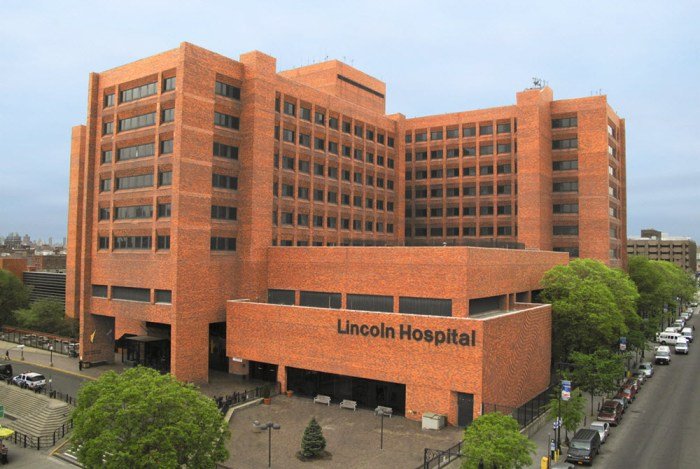
| Lincoln Hospital | Bronx | Trauma, Emergency Medicine, Cancer Care |
| Gotham Health, a division of NYC Health + Hospitals/Coler | Staten Island | Long-Term Care, Rehabilitation |
Community Outreach Programs
HHC is committed to improving health outcomes in underserved communities. To achieve this, HHC implements a variety of community outreach programs, including:* Health Fairs:HHC hosts health fairs in communities across New York City, offering free health screenings, health education, and access to healthcare resources.
Mobile Medical Units
HHC operates mobile medical units that provide healthcare services to underserved communities, including those without access to transportation.
Community Partnerships
HHC collaborates with community organizations to provide healthcare services and support to vulnerable populations.
Financial Performance and Challenges: New York Health And Hospital Corp
The New York Health and Hospitals Corporation (HHC) operates as a public benefit corporation, meaning its primary goal is to serve the public good rather than generate profit. However, financial sustainability is critical to HHC’s ability to provide essential healthcare services to New Yorkers.
Revenue Streams and Funding Sources
HHC’s financial structure relies on a diverse mix of revenue streams and funding sources:
- Patient Care Revenue:This is the largest source of income, generated from patient services, including inpatient and outpatient care, emergency services, and mental health services.
- Government Funding:HHC receives substantial funding from various government sources, including the City of New York, the State of New York, and the federal government. These funds support essential services and programs, such as Medicaid, Medicare, and other public health initiatives.
- Other Revenue:HHC also generates revenue from other sources, including philanthropy, grants, and contractual arrangements with private insurance companies.
Financial Challenges Faced by HHC
HHC faces a number of financial challenges, which are amplified by the unique context of serving a diverse and often underserved population:
- Rising Healthcare Costs:The cost of providing healthcare services has been steadily increasing, driven by factors such as technological advancements, pharmaceutical costs, and an aging population. This trend puts significant pressure on HHC’s budget, as it seeks to maintain quality care while managing expenses.
- Government Funding Fluctuations:HHC’s reliance on government funding exposes it to fluctuations in budget allocations, which can be influenced by economic conditions, political priorities, and policy changes. This uncertainty can create challenges in planning and budgeting for essential services.
- Impact of the COVID-19 Pandemic:The COVID-19 pandemic had a profound impact on HHC’s financial performance. The surge in patients requiring care, coupled with the need for additional resources and staffing, significantly increased expenses. Furthermore, disruptions to elective procedures and other non-emergency services led to a decline in revenue.
Strategies for Managing Financial Sustainability
HHC has implemented a number of strategies to address its financial challenges and ensure long-term sustainability:
- Cost Containment:HHC has focused on implementing cost-containment measures, including negotiating favorable contracts with suppliers, optimizing staffing levels, and improving operational efficiency. These efforts aim to control expenses while maintaining quality care.
- Revenue Enhancement:HHC has also explored ways to increase revenue, such as expanding services to meet growing demand, improving billing and collection practices, and seeking new sources of funding through grants and philanthropy.
- Strategic Partnerships:HHC has forged strategic partnerships with other healthcare providers, community organizations, and government agencies to leverage resources, share best practices, and improve the delivery of care.
- Technological Innovation:HHC has embraced technological advancements to improve efficiency, enhance patient care, and reduce costs. This includes implementing electronic health records, telemedicine, and other innovative solutions.
HHC’s Impact on New York City

HHC plays a critical role in ensuring access to healthcare for all New Yorkers, particularly those who are low-income and uninsured. As the largest public health system in the United States, HHC provides a comprehensive range of services that directly impact the health and well-being of millions of New Yorkers.
Serving the Underserved
HHC serves a diverse population, with a significant focus on providing care to those who might otherwise lack access. This includes individuals and families living in poverty, the uninsured, and those facing language barriers or cultural differences. The corporation’s commitment to equitable healthcare access is evident in its patient demographics.
- HHC serves over 1.4 million unique patientsannually.
- Approximately 70% of HHC patientsare enrolled in Medicaid, the public health insurance program for low-income individuals and families.
- HHC provides care to over 100,000 uninsured New Yorkerseach year.
These statistics highlight the substantial impact HHC has on the lives of New Yorkers who rely on its services for essential healthcare needs.
Improving Health Outcomes
HHC’s programs and services have a demonstrable impact on improving health outcomes in specific communities. For example, HHC’s Maternal Health Initiativehas successfully reduced the rate of maternal mortality among Black and Hispanic mothers in New York City.
- The initiative has implemented evidence-based practices and interventions to address racial disparities in maternal health.
- Through targeted outreach, education, and support services, HHC has helped to improve access to prenatal care and reduce preventable complications during pregnancy and childbirth.
This initiative illustrates HHC’s commitment to addressing health inequities and promoting better health outcomes for all New Yorkers.
Future Trends and Challenges

The healthcare landscape is constantly evolving, driven by technological advancements, changing demographics, and evolving healthcare policy. These trends present both opportunities and challenges for HHC as it strives to maintain its role as a vital healthcare provider for New York City residents.
Technological Advancements
Technological advancements are rapidly transforming the healthcare industry, offering new opportunities for improving patient care, enhancing efficiency, and reducing costs. HHC must adapt to these advancements to remain competitive and provide high-quality care.
- Telehealth: The increasing adoption of telehealth technologies allows patients to access healthcare services remotely, reducing the need for in-person visits. HHC can leverage telehealth to expand its reach to underserved communities and improve access to care for patients in remote areas.
For example, HHC can implement virtual consultations for routine checkups, mental health services, and chronic disease management.
- Artificial Intelligence (AI): AI is transforming healthcare by automating tasks, improving diagnostics, and personalizing treatment plans. HHC can utilize AI-powered tools for tasks like medical imaging analysis, disease prediction, and patient risk assessment. For instance, AI algorithms can help identify patients at risk of developing chronic diseases, enabling early intervention and preventative care.
- Data Analytics: Data analytics is crucial for understanding patient populations, identifying trends, and improving healthcare outcomes. HHC can use data analytics to optimize resource allocation, improve operational efficiency, and personalize patient care. For example, HHC can analyze patient data to identify areas for improvement in disease management, medication adherence, and patient satisfaction.
Changing Demographics, New york health and hospital corp
New York City’s population is becoming increasingly diverse and aging, presenting unique challenges and opportunities for HHC. The aging population requires access to specialized care for chronic conditions, while the growing diversity necessitates culturally sensitive healthcare services.
- Aging Population: As the population ages, the demand for geriatric care services, including long-term care, palliative care, and end-of-life care, will increase. HHC needs to invest in expanding its geriatric care services and training its workforce to address the specific needs of older adults.
For instance, HHC can develop specialized geriatric care units in its hospitals, implement age-friendly care practices, and provide training on geriatric medicine for its staff.
- Growing Diversity: New York City is a diverse city with a growing number of immigrants and refugees. HHC must ensure that its services are culturally sensitive and accessible to all residents, regardless of their background or language. For example, HHC can offer language interpretation services, culturally appropriate health education materials, and culturally competent healthcare providers to cater to the diverse needs of its patient population.
The New York Health and Hospital Corporation (HHC) is a massive public healthcare system, serving millions of New Yorkers. While HHC is focused on providing direct care, it also collaborates with other organizations like group health incorporated , a non-profit health plan, to expand its reach and improve health outcomes for the city’s diverse population.
This partnership exemplifies the importance of collaboration in addressing complex healthcare challenges.
Evolving Healthcare Policy
Healthcare policy is constantly evolving, with new regulations, payment models, and reimbursement schemes impacting healthcare providers. HHC needs to stay informed about these changes and adapt its operations to ensure financial sustainability and compliance.
- Value-Based Care: Value-based care models emphasize providing high-quality care at a lower cost. HHC can adopt value-based care principles by focusing on population health management, preventative care, and improving patient outcomes. For instance, HHC can implement programs to manage chronic diseases effectively, reduce hospital readmissions, and improve patient satisfaction.
The New York Health and Hospital Corporation, a vast network of public hospitals and clinics, faces challenges on a local level, but also plays a role in global health initiatives. It’s important to consider how their strategies align with broader global health strategies , particularly in areas like pandemic preparedness and disease prevention.
By learning from other healthcare systems worldwide, the corporation can improve its own operations and contribute to a healthier future for all.
This can help HHC achieve better financial performance under value-based care models.
- Healthcare Reform: Healthcare reform initiatives, such as the Affordable Care Act, continue to reshape the healthcare landscape. HHC needs to stay informed about these reforms and their implications for its operations. For example, HHC must understand the impact of changes in Medicaid reimbursement rates, the expansion of health insurance coverage, and the implementation of new quality reporting requirements.
Challenges and Strategies for HHC
HHC faces numerous challenges in adapting to these trends and maintaining its role as a vital healthcare provider.
- Financial Sustainability: HHC operates in a complex and challenging financial environment. The increasing costs of healthcare, coupled with declining reimbursements, pose a significant threat to HHC’s financial sustainability. HHC needs to develop strategies to improve its financial performance, including exploring new revenue streams, reducing costs, and improving efficiency.
- Workforce Shortages: The healthcare industry faces a growing shortage of qualified professionals, particularly in areas like nursing and primary care. HHC must attract and retain a skilled workforce to provide high-quality care to its patients. HHC can address this challenge by offering competitive salaries and benefits, providing professional development opportunities, and fostering a positive work environment.
- Access to Care: Many New York City residents face barriers to accessing healthcare, including lack of insurance, transportation difficulties, and language barriers. HHC must continue to address these barriers and improve access to care for all residents. HHC can expand its outreach programs, provide transportation assistance, and offer language interpretation services to ensure that everyone has access to the care they need.
Closing Notes
HHC’s impact on New York City is undeniable. The organization serves as a safety net for millions, providing essential healthcare services and promoting health equity. As the healthcare landscape continues to evolve, HHC remains committed to its mission, adapting to new challenges and embracing innovation to ensure that all New Yorkers have access to the care they deserve.
Questions Often Asked
What is the difference between HHC and NYC Health + Hospitals?
HHC and NYC Health + Hospitals are the same organization. In 2020, the name was changed to NYC Health + Hospitals to better reflect its focus on providing comprehensive, integrated care.
How many hospitals are part of HHC?
HHC operates 11 acute care hospitals, 7 long-term care facilities, and numerous community health centers and clinics across New York City.
Does HHC provide insurance?
HHC does not provide insurance but accepts a wide range of public and private insurance plans, including Medicaid, Medicare, and private commercial insurance. They also offer a sliding-scale fee program for uninsured patients.