
Mental health hotlines are lifelines for individuals facing mental health challenges, offering immediate support and resources. These invaluable services provide a safe and confidential space for people to talk about their struggles, connect with trained professionals, and access crucial information.
The impact of mental health hotlines on individuals in crisis is profound, offering a sense of hope and direction during difficult times.
Mental health hotlines are designed to be accessible to everyone, regardless of their location, background, or financial situation. They are staffed by trained professionals who are equipped to handle a wide range of mental health issues, including anxiety, depression, suicidal thoughts, and substance abuse.
Many hotlines offer multilingual services and are available 24/7, ensuring that support is always within reach.
Importance of Mental Health Hotlines
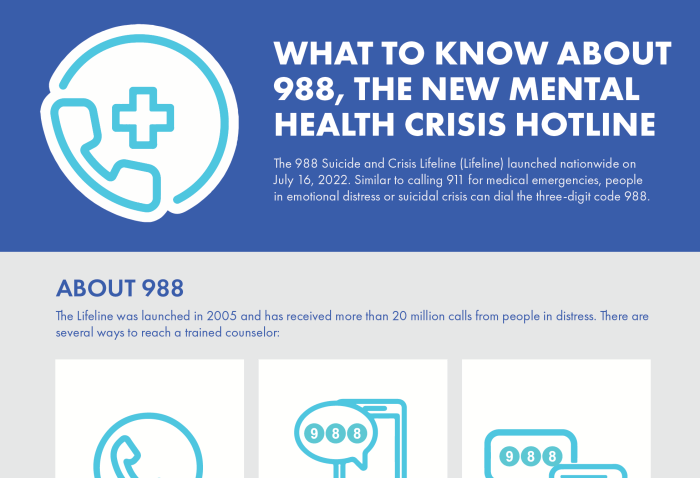
Mental health hotlines play a crucial role in providing immediate support and resources to individuals experiencing mental health challenges. They serve as a lifeline for those in distress, offering a safe and confidential space to connect with trained professionals.
The Role of Mental Health Hotlines
Mental health hotlines are staffed by trained professionals, such as counselors, social workers, and mental health specialists, who are equipped to provide immediate support and resources. They offer a variety of services, including:
- Crisis intervention:Providing immediate support and guidance to individuals experiencing a mental health crisis, such as suicidal thoughts, panic attacks, or overwhelming stress.
- Information and referrals:Connecting individuals with local mental health resources, such as therapists, support groups, and treatment centers.
- Emotional support:Providing a listening ear and validation to individuals struggling with mental health challenges, offering a sense of hope and connection.
- Suicide prevention:Identifying individuals at risk of suicide and connecting them with appropriate resources and support services.
The Impact of Mental Health Hotlines
Mental health hotlines have a profound impact on individuals facing mental health challenges. They offer a sense of hope, reduce feelings of isolation, and provide access to vital resources. By providing immediate support and guidance, hotlines can help individuals:
- Reduce suicidal ideation:Studies have shown that individuals who contact suicide prevention hotlines are significantly less likely to attempt suicide.
- Improve mental well-being:Access to emotional support and resources through hotlines can help individuals manage their mental health conditions and improve their overall well-being.
- Reduce feelings of isolation:Hotlines provide a safe and confidential space for individuals to connect with others and share their experiences, reducing feelings of isolation and loneliness.
- Increase access to care:Hotlines can connect individuals with mental health professionals and treatment options, increasing their access to care.
Effectiveness of Mental Health Hotlines
Research consistently demonstrates the effectiveness of mental health hotlines in improving mental health outcomes. For example, a study published in the Journal of Consulting and Clinical Psychology found that individuals who contacted a suicide prevention hotline were significantly less likely to attempt suicide within the following year.
Additionally, studies have shown that hotlines can help reduce feelings of distress, improve coping skills, and increase access to mental health services.
Types of Mental Health Hotlines
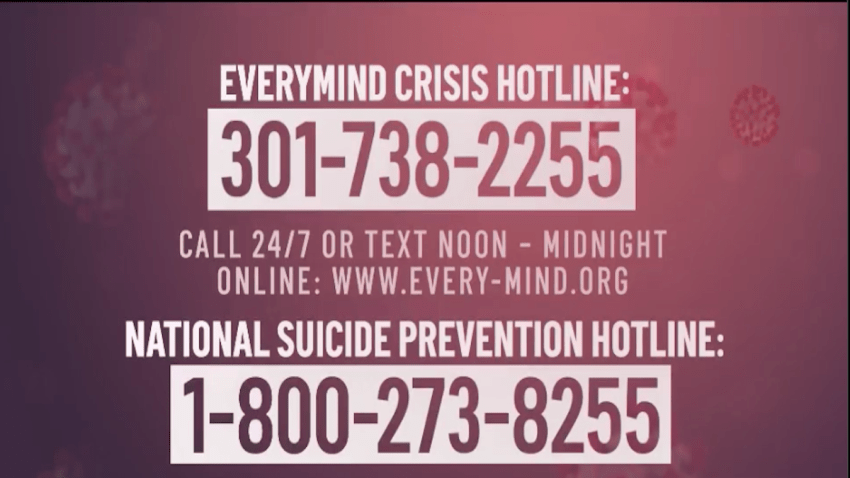
Mental health hotlines come in a variety of forms, each catering to specific needs and providing tailored support. These hotlines are categorized based on their focus and the types of services they offer.
Crisis Intervention Hotlines
Crisis intervention hotlines are designed to provide immediate support to individuals experiencing a mental health crisis. These hotlines are staffed by trained professionals who can offer immediate assistance, de-escalate situations, and connect individuals with appropriate resources. They are often available 24/7 and are a vital lifeline for those in urgent need.
Suicide Prevention Hotlines
Suicide prevention hotlines specialize in supporting individuals who are experiencing suicidal thoughts or ideations. These hotlines are staffed by trained counselors who are equipped to handle sensitive situations and provide immediate support, crisis intervention, and connect individuals with mental health professionals.
Substance Abuse Hotlines
Substance abuse hotlines are designed to provide support and resources to individuals struggling with substance abuse or addiction. These hotlines can offer information on treatment options, connect individuals with support groups, and provide guidance on navigating the recovery process.
Mental Health Information and Referral Hotlines
These hotlines provide general information about mental health conditions, treatment options, and resources available in a specific region. They can connect individuals with mental health professionals, support groups, and community services.
Specialized Mental Health Hotlines
There are also specialized hotlines that cater to specific populations or mental health conditions. For example, there are hotlines for LGBTQ+ individuals, veterans, and those experiencing domestic violence. These hotlines provide tailored support and resources relevant to the specific needs of their target audience.
Examples of Prominent Mental Health Hotlines
- The National Suicide Prevention Lifeline (US):Offers 24/7 support for individuals experiencing suicidal thoughts or ideations.
- Crisis Text Line (US):Provides text-based support for individuals experiencing emotional distress or suicidal thoughts.
- Samaritans (UK):Offers 24/7 emotional support for individuals struggling with life’s challenges.
- Lifeline (Australia):Provides 24/7 support for individuals experiencing suicidal thoughts or ideations.
- Kids Help Phone (Canada):Offers support and resources for children and youth experiencing emotional distress.
Comparison of Services Offered
Different types of mental health hotlines offer varying services, but they all share the common goal of providing support and resources to individuals in need.
| Hotline Type | Services Offered |
|---|---|
| Crisis Intervention Hotlines | Immediate support, de-escalation, resource connections |
| Suicide Prevention Hotlines | Crisis intervention, support for suicidal ideations, resource connections |
| Substance Abuse Hotlines | Information on treatment options, support group connections, guidance on recovery |
| Mental Health Information and Referral Hotlines | General information on mental health, resource connections, support group connections |
| Specialized Mental Health Hotlines | Tailored support and resources for specific populations or conditions |
Accessibility and Reach of Mental Health Hotlines
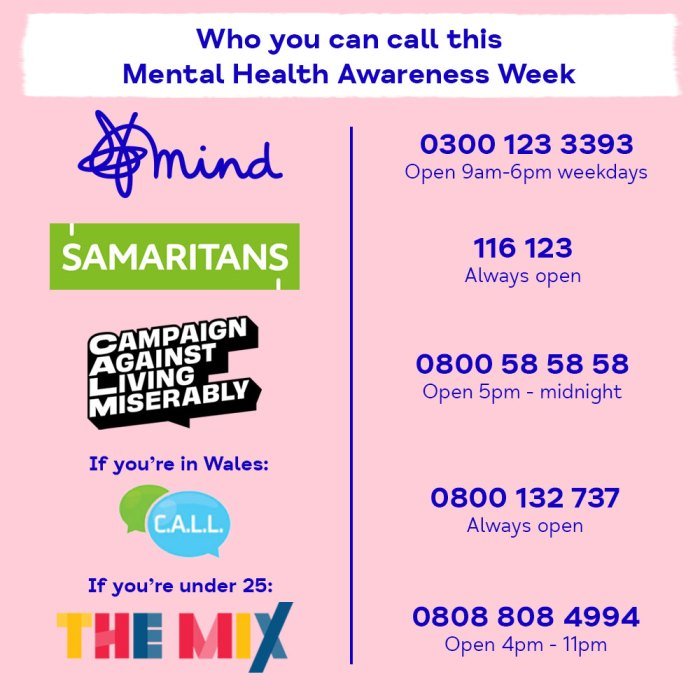
Mental health hotlines play a crucial role in providing immediate support and resources to individuals experiencing mental health challenges. However, their effectiveness hinges on their accessibility and reach to diverse populations. Several factors influence the accessibility of these vital services, including geographic location, language barriers, and cultural sensitivity.
Geographic Accessibility
Geographic location significantly impacts the accessibility of mental health hotlines. Rural areas often lack sufficient resources and infrastructure, making it challenging for individuals to access these services. Limited access to transportation, particularly in sparsely populated regions, can further hinder access.
Additionally, the availability of trained professionals and funding for hotline services may vary across geographic regions.
Mental health hotlines provide a vital lifeline for those struggling with emotional distress. If you’re feeling overwhelmed, reaching out to a professional can be a crucial step in your journey towards well-being. And while seeking support is essential, sometimes a little pampering can also lift your spirits.
Take a moment to explore Sally B Beauty for some self-care inspiration. Remember, prioritizing your mental health is always worth it, and it often involves a combination of professional help and self-care practices.
Language Barriers, Mental health hotlines
Language barriers pose a significant obstacle to accessing mental health hotlines. Individuals who do not speak the dominant language of the region may face difficulties communicating their needs and receiving appropriate support. The lack of multilingual hotlines or trained interpreters can further exacerbate this issue.
Cultural Sensitivity
Cultural sensitivity is paramount for mental health hotlines to effectively reach diverse populations. Different cultures may have varying perceptions of mental health, treatment options, and the role of hotlines. Hotlines must be culturally competent, recognizing and respecting cultural differences to provide culturally appropriate support and resources.
Strategies for Reaching Diverse Populations
Mental health hotlines employ various strategies to reach diverse populations and address accessibility barriers. These strategies include:
- Multilingual Hotlines:Establishing multilingual hotlines or partnering with organizations that provide language interpretation services ensures that individuals from diverse linguistic backgrounds can access support.
- Community Partnerships:Collaborating with community organizations, faith-based institutions, and cultural centers allows hotlines to connect with specific populations and build trust within those communities.
- Social Media Outreach:Utilizing social media platforms to disseminate information about hotline services, engage with target audiences, and address common mental health concerns can increase awareness and accessibility.
- Targeted Advertising:Implementing targeted advertising campaigns on platforms that reach specific demographics, such as ethnic media outlets or online communities, can effectively promote hotline services to diverse groups.
Impact of Digitalization and Online Platforms
The rise of digitalization and online platforms has significantly impacted the accessibility of mental health services. Online platforms offer several advantages, including:
- Increased Accessibility:Online platforms can overcome geographic barriers, making mental health services available to individuals in remote areas or with limited mobility.
- Anonymity and Privacy:Online platforms provide a sense of anonymity and privacy, encouraging individuals who may be hesitant to seek help in person to access support.
- 24/7 Availability:Online platforms can provide 24/7 access to mental health services, offering immediate support regardless of time or location.
However, digitalization also presents challenges, including:
- Digital Divide:Individuals with limited access to technology or internet connectivity may be excluded from online mental health services, exacerbating existing inequalities.
- Data Privacy Concerns:The use of online platforms raises concerns about data privacy and security, requiring robust measures to protect sensitive information.
- Lack of Personal Connection:Online interactions may lack the personal connection and nuanced understanding that can be crucial in providing mental health support.
Challenges and Opportunities for Mental Health Hotlines
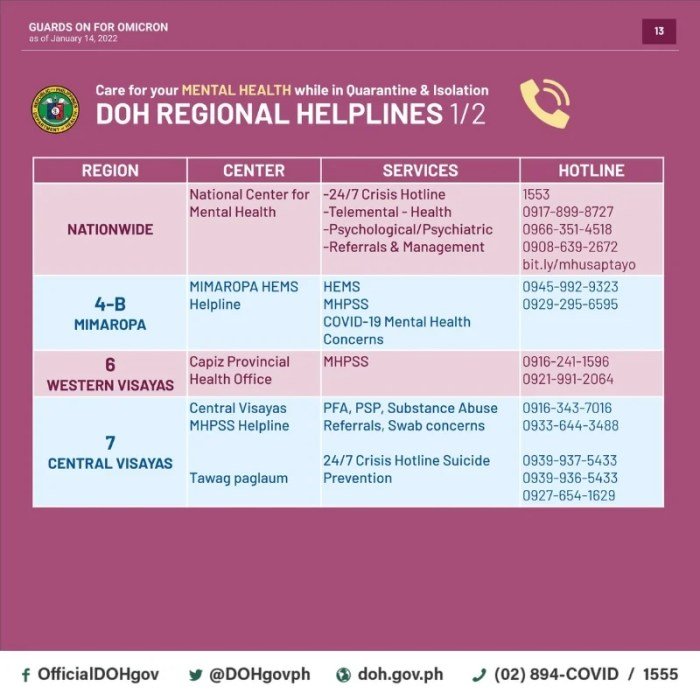
Mental health hotlines, while offering a crucial lifeline for those in need, face a range of challenges that impact their effectiveness and reach. These challenges are intertwined with opportunities for improvement and expansion, which can be addressed through innovative strategies and a commitment to resource allocation.
Funding Limitations
Funding limitations are a significant challenge for mental health hotlines. The financial resources available to operate these services are often inadequate to meet the growing demand. This can lead to understaffing, limited training opportunities for volunteers and staff, and restricted access to cutting-edge technologies.
Mental health hotlines offer a vital lifeline for those struggling, providing a safe space to talk and access support. Taking care of your mental well-being is just as important as taking care of your physical appearance, and sometimes a little pampering can help boost your mood.
If you’re looking for high-quality makeup, check out MAC beauty products , which offer a wide range of options to enhance your natural beauty. Remember, self-care is essential, and reaching out for help when you need it is a sign of strength, not weakness.
- Insufficient Funding for Operations:Mental health hotlines rely heavily on grants, donations, and government funding, which can be inconsistent and insufficient to cover operational costs, such as staff salaries, rent, and phone lines.
- Limited Resources for Training:Adequate training for volunteers and staff is crucial to ensure quality services. However, funding constraints often limit the availability of comprehensive training programs, impacting the effectiveness of the hotline.
- Restricted Access to Technology:Technological advancements offer numerous opportunities to enhance hotline services, such as online chat platforms and mobile apps. However, limited funding can hinder the adoption of these technologies, limiting the reach and accessibility of services.
Staff Burnout
The emotional toll of supporting individuals in distress can lead to staff burnout, impacting the quality of service and the overall sustainability of the hotline. This is particularly challenging for smaller organizations with limited resources to address staff well-being.
- High Emotional Demands:Hotline staff regularly encounter individuals experiencing intense emotional distress, which can be emotionally draining and contribute to burnout.
- Limited Support for Staff Well-being:Lack of adequate support systems, such as access to mental health resources and regular breaks, can exacerbate burnout and negatively impact staff morale and performance.
- High Turnover Rates:Burnout can lead to high staff turnover, which disrupts service continuity and creates a constant need for recruitment and training, further straining resources.
Need for Continuous Training
The field of mental health is constantly evolving, necessitating continuous training for hotline staff to stay abreast of the latest best practices and interventions. This requires ongoing investment in training programs and materials.
- Evolving Mental Health Landscape:New research and therapeutic approaches emerge regularly, requiring hotline staff to stay updated on the latest advancements in mental health care.
- Diversity of Mental Health Needs:Individuals reach out to hotlines with a wide range of mental health concerns, necessitating training in diverse areas, such as substance abuse, trauma, and suicide prevention.
- Maintaining Confidentiality and Ethical Practices:Hotline staff require ongoing training to ensure they adhere to strict confidentiality guidelines and ethical standards in their interactions with callers.
Opportunities for Improvement and Expansion
Despite the challenges, there are numerous opportunities for improvement and expansion of mental health hotline services. Leveraging technological advancements, increasing public awareness, and fostering partnerships can significantly enhance the effectiveness and reach of these vital services.
- Technological Advancements:Integrating online chat platforms, mobile apps, and other digital tools can broaden the reach of hotlines, making them more accessible to individuals who may prefer online communication or have limited access to traditional phone lines.
- Increased Public Awareness:Raising public awareness about the availability and benefits of mental health hotlines is crucial to encourage individuals to seek help when needed. This can be achieved through public awareness campaigns, collaborations with schools, community organizations, and media outlets.
- Partnerships and Collaboration:Collaborations with healthcare providers, schools, and community organizations can create a more integrated system of support, ensuring individuals have access to a continuum of care that extends beyond the initial hotline interaction.
Potential Solutions to Address Challenges and Capitalize on Opportunities
| Challenge | Solution |
|---|---|
| Funding Limitations |
|
| Staff Burnout |
|
| Need for Continuous Training |
|
| Opportunities for Improvement and Expansion |
|
Future Directions for Mental Health Hotlines

Mental health hotlines are constantly evolving to meet the changing needs of individuals seeking support. As technology advances and our understanding of mental health deepens, new opportunities emerge to enhance the effectiveness and accessibility of these vital services.
Integration of Artificial Intelligence and Telehealth Technologies
The integration of artificial intelligence (AI) and telehealth technologies has the potential to revolutionize mental health hotlines. AI-powered chatbots and virtual assistants can provide initial screening, offer self-help resources, and connect individuals with appropriate support services. Telehealth platforms allow for remote therapy sessions, expanding access to mental health care, particularly in underserved areas.
Mental health hotlines offer a vital resource for those struggling with their well-being. It’s important to remember that seeking help is a sign of strength, and there are many organizations dedicated to providing support. If you’re looking for a way to improve your physical health, consider joining a gym like club 4 fitness , as exercise can also have positive effects on mental health.
Taking care of both your physical and mental well-being is essential for living a fulfilling life.
- AI-powered chatbots can be programmed to recognize and respond to common mental health concerns, providing immediate support and guidance.
- Telehealth platforms can facilitate remote therapy sessions, reducing barriers to access for individuals facing geographic limitations or transportation challenges.
- Integration of AI and telehealth technologies can lead to more personalized and efficient mental health support, tailored to individual needs and preferences.
Hypothetical Mental Health Hotline Model
A hypothetical mental health hotline model incorporating innovative approaches could include the following features:
- An AI-powered chatbot for initial screening and resource referral.
- A virtual waiting room where individuals can access self-help resources and connect with other users.
- A telehealth platform for remote therapy sessions with licensed mental health professionals.
- A data analytics system to track usage patterns and identify areas for improvement.
Role of Mental Health Hotlines in Promoting Mental Well-being and Building a More Supportive Society
Mental health hotlines play a crucial role in promoting mental well-being and building a more supportive society by:
- Providing immediate support and crisis intervention to individuals experiencing mental health challenges.
- Reducing stigma associated with mental illness by offering a safe and confidential space for individuals to seek help.
- Connecting individuals with appropriate resources and support services, such as therapy, medication, and community programs.
- Promoting mental health awareness and education through public outreach and awareness campaigns.
Ultimate Conclusion

Mental health hotlines are a vital part of the mental health care system, providing immediate support and resources to individuals in need. As technology advances and societal understanding of mental health evolves, mental health hotlines continue to adapt and innovate, ensuring they remain accessible and effective.
By fostering a culture of open dialogue and promoting mental well-being, these services play a crucial role in building a more supportive and compassionate society.
Quick FAQs
What if I don’t know what to say when I call a hotline?
Don’t worry, the trained professionals are there to listen and guide you. You can simply start by saying what’s on your mind or asking for help. They will ask questions to understand your situation and offer support.
Is it confidential to call a mental health hotline?
Yes, all calls to mental health hotlines are confidential. Your identity will not be shared with anyone without your consent. You can talk openly and honestly without fear of judgment.
What if I need help but don’t want to talk on the phone?
Many hotlines offer alternative methods of communication, such as text messaging or online chat. You can find information about these options on the hotline’s website or by contacting them directly.