
NYC Health Hospitals Kings County, a cornerstone of healthcare in Brooklyn, boasts a rich history and a commitment to serving the diverse community. Founded in 1831, the hospital has witnessed the city’s growth and evolved alongside it, always striving to provide quality care to all who need it.
From its humble beginnings as a small almshouse, Kings County Hospital has grown into a major medical center, offering a wide range of services, including emergency care, surgery, pediatrics, and mental health services. Its commitment to patient care extends beyond traditional medical treatment, encompassing community outreach programs, research initiatives, and educational opportunities for future healthcare professionals.
Kings County Hospital Overview
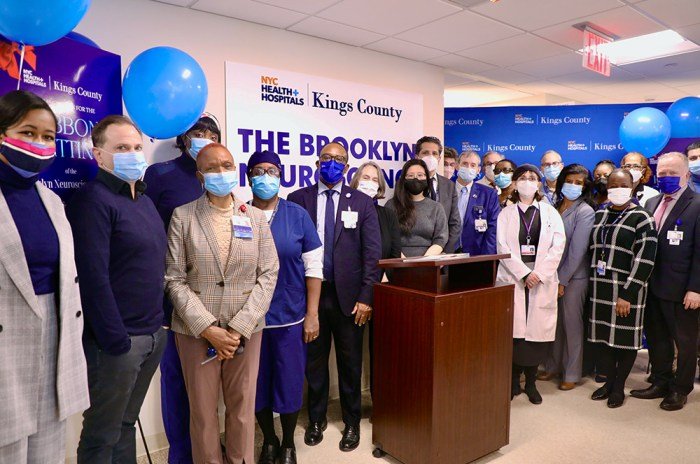
Kings County Hospital, a cornerstone of healthcare in Brooklyn, New York, has a rich history spanning over a century. It has played a vital role in serving the community, evolving alongside the changing needs of its diverse population.
History of Kings County Hospital
Kings County Hospital was founded in 1831 as the Brooklyn City Hospital, initially located on a plot of land in downtown Brooklyn. It was the first public hospital in the borough, offering essential medical care to its residents. Over the years, the hospital underwent several expansions and relocations to accommodate the growing needs of the community.
In 1957, the hospital moved to its current location in the Crown Heights neighborhood, where it has served as a major medical center for over six decades.
Mission, Vision, and Core Values
Kings County Hospital’s mission is to provide high-quality, compassionate, and accessible healthcare services to the residents of Brooklyn and the surrounding communities. Its vision is to be a leading provider of comprehensive medical care, promoting health equity and well-being for all.
NYC Health Hospitals Kings County is a vital resource for the community, providing comprehensive care for a diverse population. Their commitment to serving everyone, regardless of their ability to pay, highlights the importance of access to quality healthcare, especially when it comes to family’s health care.
The hospital’s focus on preventive care and community outreach ensures that families have the resources they need to stay healthy and thrive.
The hospital’s core values include:
- Compassion
- Respect
- Integrity
- Excellence
- Teamwork
Location, Size, and Capacity
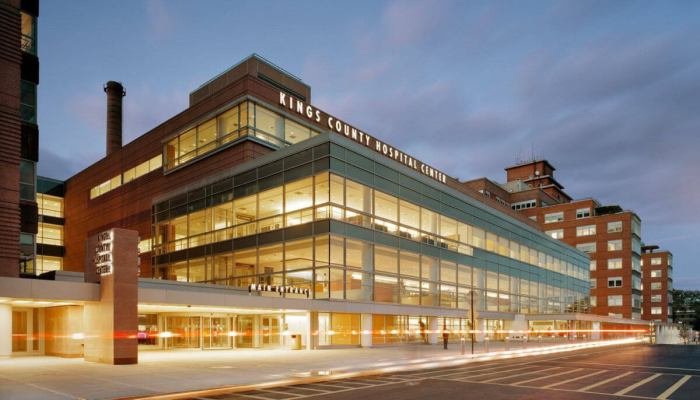
Kings County Hospital is located at 451 Clarkson Avenue in the Crown Heights neighborhood of Brooklyn. It is a large, urban hospital with a capacity of over 600 beds. The hospital occupies a sprawling campus, encompassing several buildings and facilities, including a trauma center, an emergency department, and a comprehensive network of outpatient clinics.
Key Departments and Services
Kings County Hospital offers a wide range of medical and surgical services, including:
- Emergency Medicine
- Trauma Care
- Cardiology
- Oncology
- Neurology
- Psychiatry
- Obstetrics and Gynecology
- Pediatrics
- Surgery
- Internal Medicine
The hospital also provides specialized services such as rehabilitation, palliative care, and hospice care.
Kings County Hospital in NYC is known for its comprehensive healthcare services, including a dedicated focus on community health initiatives. While navigating the city’s healthcare landscape, it’s also important to prioritize personal well-being. Finding a convenient gym like l a fitness near me can help maintain a healthy lifestyle, complementing the excellent care provided by institutions like Kings County Hospital.
Patient Care and Services
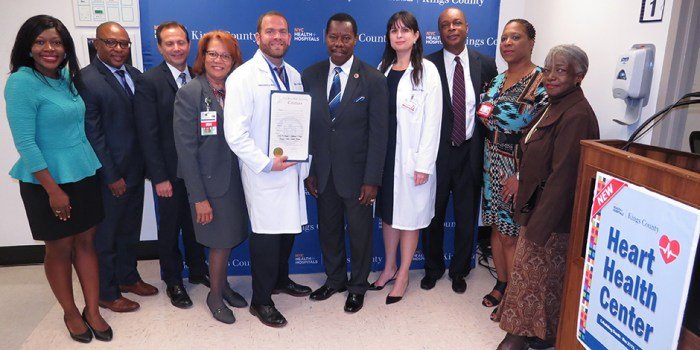
Kings County Hospital provides a comprehensive range of medical specialties and services to meet the diverse healthcare needs of its community. The hospital is committed to delivering high-quality, compassionate care to all patients, regardless of their ability to pay.
NYC Health Hospitals in Kings County offer a wide range of healthcare services, from primary care to specialized treatments. Similar to the comprehensive online portal offered by Duke University Health System, known as duke my health chart , these hospitals are committed to providing accessible and high-quality care to the local community.
With a focus on patient-centered care, NYC Health Hospitals in Kings County strive to ensure that all residents have access to the healthcare they need.
Patient Care Approach
Kings County Hospital prioritizes patient-centered care, emphasizing a holistic approach that addresses the physical, emotional, and social well-being of each individual. The hospital’s commitment to quality and safety is reflected in its adherence to evidence-based practices, continuous improvement initiatives, and robust patient safety protocols.
Key Patient Care Programs and Initiatives
Kings County Hospital offers a variety of programs and initiatives designed to enhance patient care and improve health outcomes. These include:
| Program/Initiative | Description |
|---|---|
| Comprehensive Cancer Care | Provides a multidisciplinary approach to cancer diagnosis, treatment, and support, including medical oncology, radiation oncology, surgical oncology, and palliative care. |
| Behavioral Health Services | Offers a range of mental health services, including individual and group therapy, medication management, and crisis intervention. |
| Maternal and Child Health Services | Provides comprehensive care for pregnant women, newborns, and children, including prenatal care, labor and delivery, postpartum care, and pediatric services. |
| Community Health Programs | Engages in outreach and education programs to address health disparities and promote health equity within the community. |
Emergency Department
The Emergency Department at Kings County Hospital is a Level 1 Trauma Center, equipped to handle a wide range of medical emergencies. It operates 24/7 and is staffed by a team of experienced physicians, nurses, and other healthcare professionals. The department has a capacity of approximately 100 beds and sees an average of 100,000 patients annually.
While wait times can vary depending on the volume of patients and the severity of their conditions, the hospital strives to provide prompt and efficient care to all patients.
Community Health and Outreach
Kings County Hospital is deeply committed to serving the diverse community of Brooklyn, a borough known for its vibrant cultural tapestry and significant health disparities. The hospital recognizes that its role extends beyond providing acute care services and embraces a comprehensive approach to community health and outreach.
Community Health Programs and Initiatives
Kings County Hospital has a long history of implementing innovative programs and initiatives aimed at addressing the unique health needs of its diverse patient population. These programs focus on promoting health education, preventing disease, and providing access to essential healthcare services.
Examples of Community Health Programs
- The Kings County Hospital Community Health Centeroffers a wide range of primary care services, including preventive screenings, chronic disease management, and mental health counseling. This center plays a vital role in providing accessible and affordable care to underserved communities.
- The Kings County Hospital Mobile Health Unitbrings healthcare services directly to the community, offering screenings, vaccinations, and health education in underserved areas. This initiative helps to reach individuals who may face barriers to accessing traditional healthcare settings.
- The Kings County Hospital Community Health Education Programprovides health education workshops and seminars on topics such as nutrition, exercise, smoking cessation, and disease prevention. These programs empower individuals with the knowledge and skills to make informed decisions about their health.
- The Kings County Hospital Community Health Partnership Programcollaborates with community organizations, faith-based institutions, and other stakeholders to address health disparities and promote health equity. This partnership approach leverages the expertise and resources of various organizations to reach a wider audience and create lasting impact.
Resources and Support Services
Kings County Hospital provides a comprehensive array of resources and support services to the community, ensuring that individuals have access to the information and assistance they need to navigate the healthcare system and maintain their health.
Examples of Resources and Support Services
- Patient Navigation Services: Help patients understand their diagnosis, treatment options, and navigate the healthcare system. They provide personalized support and guidance, ensuring that patients receive the care they need.
- Social Work Services: Address the social determinants of health, such as poverty, housing instability, and food insecurity. Social workers connect patients with community resources, such as food pantries, housing assistance programs, and mental health services.
- Language Interpretation Services: Provide culturally and linguistically appropriate care to patients from diverse backgrounds. The hospital offers a wide range of language interpreters to ensure effective communication and understanding.
- Transportation Services: Assist patients in accessing healthcare services, especially those who may face transportation challenges. This service ensures that patients can attend appointments and receive the care they need.
- Financial Assistance Programs: Help patients who are struggling to afford healthcare services. The hospital offers a variety of financial assistance programs to reduce the financial burden of medical care.
Commitment to Health Equity
Kings County Hospital is committed to addressing health disparities and promoting health equity in the communities it serves. The hospital recognizes that certain populations experience significant health inequities due to factors such as race, ethnicity, socioeconomic status, and geographic location.
Strategies for Addressing Health Disparities
- Data-Driven Approach: The hospital uses data to identify health disparities and target interventions to address these inequities. This data-driven approach ensures that resources are allocated effectively and that interventions are tailored to the specific needs of the community.
- Community Engagement: The hospital actively engages with community members, stakeholders, and advocacy groups to understand their needs and concerns. This engagement process ensures that programs and initiatives are responsive to the community’s priorities.
- Culturally Competent Care: The hospital provides culturally competent care, ensuring that services are delivered in a way that respects the values, beliefs, and traditions of diverse populations. This approach fosters trust and improves patient satisfaction.
- Advocacy and Policy Change: The hospital advocates for policies and programs that address the root causes of health disparities, such as poverty, discrimination, and lack of access to quality education and healthcare.
Research and Education: Nyc Health Hospitals Kings County
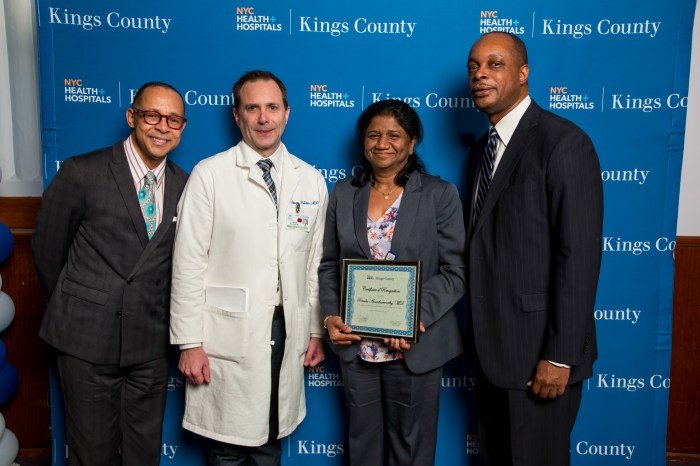
Kings County Hospital is a hub for medical research and education, contributing significantly to advancements in healthcare and the training of future medical professionals. The hospital’s commitment to research is evident in its participation in clinical trials, collaborations with medical schools, and its dedication to fostering a culture of learning and discovery.
Clinical Trials and Research Projects
Kings County Hospital actively participates in a wide range of clinical trials, contributing to the development of new treatments and therapies. These trials focus on various medical fields, including cardiology, oncology, and infectious diseases. The hospital’s participation in these research endeavors has led to the publication of numerous scientific articles in peer-reviewed journals, contributing to the advancement of medical knowledge.
Notable Research Projects
One notable research project at Kings County Hospital focuses on the impact of social determinants of health on patient outcomes. This research aims to understand how factors like poverty, lack of access to healthcare, and environmental conditions influence health disparities.
Another significant project explores the effectiveness of different interventions for managing chronic diseases like diabetes and hypertension within the diverse population served by the hospital.
Affiliation with Medical Schools and Residency Programs
Kings County Hospital is affiliated with several prestigious medical schools, including SUNY Downstate Medical Center. This affiliation provides opportunities for medical students to gain clinical experience and participate in research projects under the guidance of experienced faculty. The hospital also offers residency programs in various specialties, providing hands-on training for physicians in their chosen fields.
Training Future Healthcare Professionals
Kings County Hospital plays a crucial role in training the next generation of healthcare professionals. The hospital’s residency programs offer comprehensive training in various medical specialties, ensuring that residents develop the skills and knowledge necessary to provide high-quality care. The hospital also hosts medical students for rotations, providing them with valuable clinical experience and exposure to diverse patient populations.
Hospital Infrastructure and Facilities

Kings County Hospital boasts a robust infrastructure that supports its mission of providing comprehensive healthcare services to the diverse Brooklyn community. The hospital’s physical facilities, cutting-edge technology, and commitment to sustainability all contribute to its ability to deliver high-quality patient care.
Building and Equipment
Kings County Hospital comprises several buildings, including the main hospital building, a separate psychiatric facility, and various outpatient clinics. The main hospital building is a modern, multi-story structure that houses a wide range of clinical services, including emergency medicine, surgery, intensive care, and labor and delivery.
The hospital is equipped with state-of-the-art medical equipment, such as advanced imaging systems, surgical robots, and sophisticated monitoring devices.
Sustainability and Environmental Practices, Nyc health hospitals kings county
Kings County Hospital is committed to environmental sustainability and has implemented various initiatives to reduce its carbon footprint. These initiatives include energy-efficient lighting, water conservation measures, and waste reduction programs. The hospital also uses recycled materials whenever possible and encourages staff and patients to adopt environmentally friendly practices.
Key Facilities and Departments
The following table provides an overview of Kings County Hospital’s key facilities and departments:| Facility/Department | Location | Contact Information ||—|—|—|| Emergency Department | Main Hospital Building, 1st Floor | (718) 490-6000 || Surgical Services | Main Hospital Building, 2nd Floor | (718) 490-6000 || Intensive Care Unit | Main Hospital Building, 3rd Floor | (718) 490-6000 || Labor and Delivery | Main Hospital Building, 4th Floor | (718) 490-6000 || Psychiatric Services | Psychiatric Facility, 100 Kingsborough Road | (718) 490-6000 || Outpatient Clinics | Various Locations | (718) 490-6000 |
Parking and Accessibility
Kings County Hospital provides ample parking facilities for patients, visitors, and staff. There are designated parking areas for each group, with clear signage and accessibility features. The hospital is also committed to providing a welcoming and accessible environment for all individuals, including those with disabilities.
There are wheelchair-accessible entrances, elevators, and restrooms throughout the hospital.
Hospital Leadership and Governance
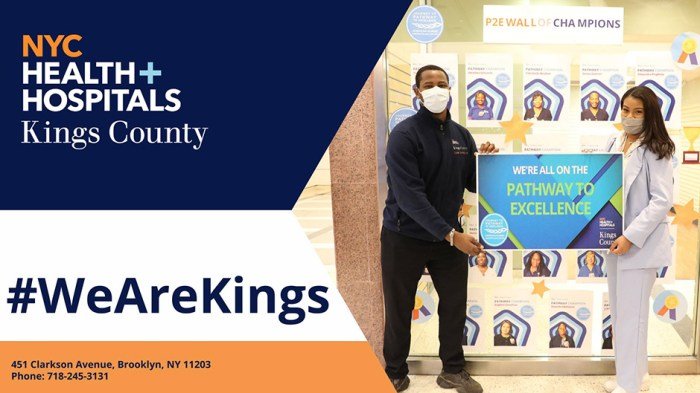
Kings County Hospital’s leadership and governance structure ensures effective operations and accountability in providing high-quality healthcare services to the diverse community it serves. This section delves into the key leadership roles, the hospital’s board of directors, its financial structure, and its commitment to transparency and accountability.
Key Leadership Positions
Kings County Hospital’s leadership team comprises experienced professionals who oversee various aspects of hospital operations. The key leadership positions include:
- Chief Executive Officer (CEO):The CEO is responsible for the overall management and direction of the hospital, including strategic planning, financial performance, and ensuring compliance with regulations.
- Chief Medical Officer (CMO):The CMO is responsible for the quality of clinical care, overseeing medical staff, and ensuring patient safety.
- Chief Nursing Officer (CNO):The CNO oversees all nursing services, ensuring high-quality patient care and adherence to nursing standards.
- Chief Financial Officer (CFO):The CFO manages the hospital’s financial resources, including budgeting, accounting, and financial reporting.
- Chief Operating Officer (COO):The COO is responsible for the day-to-day operations of the hospital, including facilities management, logistics, and human resources.
Hospital Board of Directors
The Kings County Hospital Board of Directors is responsible for providing oversight and guidance to the hospital’s leadership team. The board comprises individuals with expertise in healthcare, finance, law, and community affairs. They play a crucial role in:
- Strategic Planning:The board approves the hospital’s strategic plan, which Artikels its long-term goals and objectives.
- Financial Oversight:The board oversees the hospital’s financial performance, including budget approval and monitoring.
- Compliance:The board ensures the hospital complies with all applicable laws, regulations, and ethical standards.
- Quality of Care:The board is responsible for ensuring the hospital provides high-quality patient care and maintains patient safety.
Hospital Financial Structure and Funding Sources
Kings County Hospital receives funding from various sources, including:
- Government Funding:The hospital receives significant funding from the federal and state governments through programs like Medicare and Medicaid.
- Patient Revenue:The hospital generates revenue from patient services, including insurance payments and out-of-pocket expenses.
- Philanthropic Donations:The hospital relies on donations from individuals, foundations, and corporations to support its operations and initiatives.
Commitment to Transparency and Accountability
Kings County Hospital is committed to transparency and accountability in its operations. This commitment is reflected in:
- Public Reporting:The hospital publishes annual reports and other documents that provide information about its financial performance, quality of care, and patient satisfaction.
- Independent Audits:The hospital undergoes regular independent audits to ensure compliance with financial and regulatory requirements.
- Patient Feedback:The hospital actively solicits patient feedback through surveys and other mechanisms to improve the quality of care and address patient concerns.
Patient Experience and Feedback
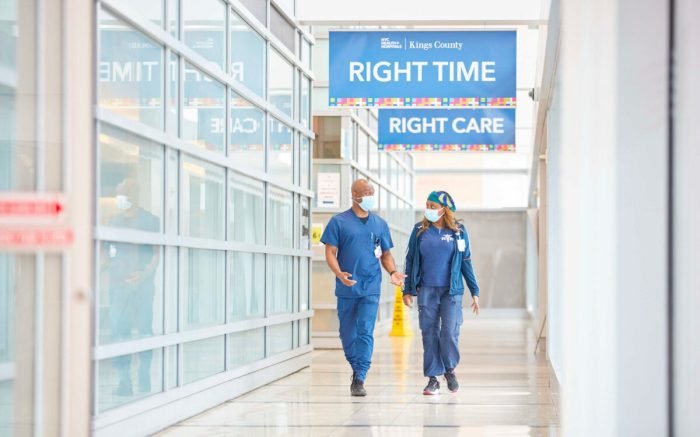
Kings County Hospital is committed to providing a positive and supportive experience for all patients. The hospital actively seeks feedback from patients to understand their needs and continuously improve the quality of care.
Patient Satisfaction Surveys
The hospital regularly conducts patient satisfaction surveys to gather feedback on various aspects of their experience, including communication with healthcare providers, wait times, cleanliness, and overall satisfaction. The results of these surveys are used to identify areas for improvement and to develop strategies to enhance patient care.
Feedback Mechanisms
Kings County Hospital offers multiple channels for patients to provide feedback, including:
- Online surveys
- Patient portals
- Suggestion boxes
- Direct communication with staff
- Patient advocate program
These mechanisms ensure that patients have a variety of options to share their experiences and concerns.
Awards and Recognition
Kings County Hospital has received recognition for its commitment to patient care, including:
- [Insert Award Name]:[Describe the award and its significance in relation to patient care]
- [Insert Award Name]:[Describe the award and its significance in relation to patient care]
Patient-Centered Care
Kings County Hospital embraces a patient-centered care approach, which prioritizes the patient’s needs and preferences. The hospital strives to:
- Empower patients in their care:Patients are encouraged to actively participate in their care plans and make informed decisions about their treatment.
- Promote open communication:Healthcare providers are committed to clear and effective communication with patients, ensuring they understand their condition, treatment options, and potential risks.
- Provide culturally sensitive care:The hospital recognizes the importance of cultural sensitivity and strives to provide care that respects the diverse backgrounds and beliefs of its patients.
Closing Notes
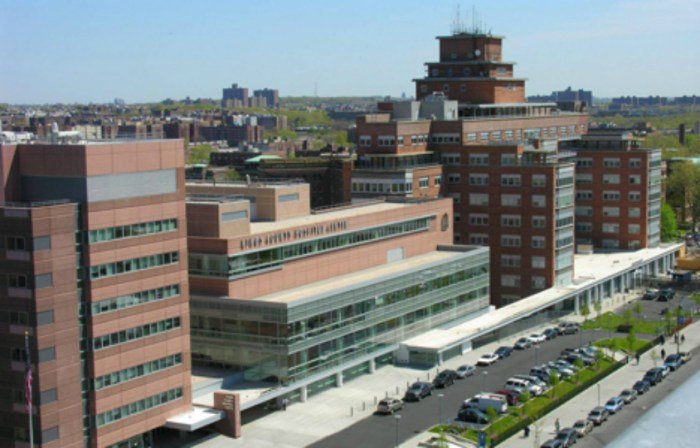
NYC Health Hospitals Kings County stands as a testament to the power of healthcare to heal and empower communities. Through its unwavering dedication to patient care, community outreach, and medical advancements, Kings County Hospital continues to shape the health landscape of Brooklyn, ensuring that everyone has access to quality healthcare, regardless of their background or ability to pay.
FAQ Section
What is the history of Kings County Hospital?
Kings County Hospital was founded in 1831 as a small almshouse. Over the years, it has grown into a major medical center serving the diverse community of Brooklyn.
What services are offered at Kings County Hospital?
Kings County Hospital offers a wide range of services, including emergency care, surgery, pediatrics, mental health services, and more.
How can I access resources and support services at Kings County Hospital?
You can find information about resources and support services available to the community on the Kings County Hospital website or by contacting the hospital directly.
Is Kings County Hospital involved in research and education?
Yes, Kings County Hospital is actively involved in medical research and clinical trials. It also has affiliations with medical schools and residency programs.