
Dry January Health Benefits: A Month of Wellness, a challenge that encourages individuals to abstain from alcohol for the month of January, has gained significant popularity in recent years. The idea is simple: take a break from alcohol to reap the potential physical, mental, and lifestyle benefits that come with it.
From improved sleep quality and liver health to enhanced cognitive function and a boost in overall well-being, Dry January offers a unique opportunity to reset your relationship with alcohol and experience the positive impact it can have on your life.
This article delves into the compelling reasons why Dry January is worth considering, exploring the diverse health benefits and lifestyle changes that can arise from this temporary alcohol abstinence.
Introduction to Dry January

Dry January is a global challenge where individuals commit to abstaining from alcohol for the entire month of January. This initiative, popularized by the UK-based charity Alcohol Change UK, encourages people to reset their relationship with alcohol and experience the potential benefits of a month-long break.
The rationale behind Dry January is multifaceted. It provides a unique opportunity for individuals to assess their alcohol consumption patterns, gain a better understanding of their relationship with alcohol, and experience the positive effects of reducing or eliminating alcohol intake.
Moreover, it promotes a sense of community and encourages people to support each other in achieving their health goals.
Potential Health Benefits of Dry January
Abstaining from alcohol for a month can offer a range of health benefits. These benefits can be categorized into several key areas, including:
- Improved Sleep Quality:Alcohol can disrupt sleep patterns, leading to fragmented sleep and reduced sleep quality. A month without alcohol can allow your body to regulate its natural sleep-wake cycle, leading to more restful and restorative sleep.
- Weight Management:Alcohol is high in calories and can contribute to weight gain. By abstaining from alcohol, you can reduce your calorie intake and potentially lose weight.
- Reduced Risk of Chronic Diseases:Chronic alcohol consumption is linked to an increased risk of various chronic diseases, including heart disease, liver disease, and some types of cancer. Dry January can help reduce these risks by giving your body a break from alcohol.
- Improved Mental Health:Alcohol can have a negative impact on mental health, contributing to anxiety, depression, and mood swings. Abstaining from alcohol can improve mental clarity, reduce stress levels, and enhance mood.
- Increased Energy Levels:Alcohol can deplete energy levels, leading to fatigue and reduced physical performance. Dry January can help boost energy levels and improve overall well-being.
“Dry January is not about being ‘perfect’ or ‘punishing’ yourself. It’s about taking a break, exploring your relationship with alcohol, and experiencing the potential benefits of reducing or eliminating your intake.”
Alcohol Change UK
Physical Health Benefits
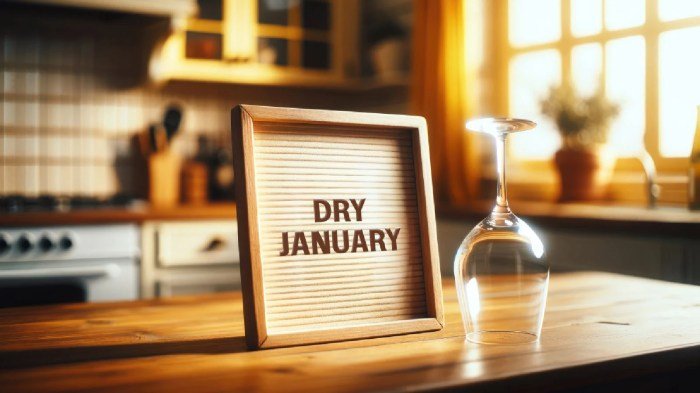
Taking a break from alcohol can have a significant impact on your physical health. Dry January is an excellent opportunity to give your body a chance to recover and experience the numerous benefits of reducing alcohol intake.
Liver Health
The liver is a vital organ responsible for filtering toxins from the blood. Alcohol consumption can put a strain on the liver, leading to various health problems.
- Fatty Liver Disease:Excessive alcohol consumption can lead to the buildup of fat in the liver, causing fatty liver disease. This condition can progress to more serious forms like alcoholic hepatitis and cirrhosis.
- Alcoholic Hepatitis:This is an inflammation of the liver caused by alcohol abuse. It can cause jaundice, abdominal pain, and fever.
- Cirrhosis:This is the final stage of liver disease, characterized by scar tissue formation in the liver. Cirrhosis can lead to liver failure, requiring a transplant.
Sleep Quality
Alcohol can disrupt sleep patterns, leading to poor sleep quality. While it may initially induce drowsiness, alcohol can interfere with the later stages of sleep, leading to:
- Fragmented sleep:Alcohol can interrupt the normal sleep cycle, resulting in frequent awakenings.
- Reduced REM sleep:REM sleep is essential for memory consolidation and emotional regulation. Alcohol can decrease the amount of REM sleep, potentially impacting cognitive function and mood.
- Daytime sleepiness:Poor sleep quality can lead to daytime fatigue and drowsiness, affecting productivity and overall well-being.
Weight Management
Alcohol is high in calories and can contribute to weight gain. It can also:
- Increase appetite:Alcohol can stimulate appetite, leading to increased food intake.
- Reduce metabolism:Alcohol can slow down the body’s metabolism, making it more difficult to burn calories.
- Impair judgment:Alcohol can impair judgment, leading to unhealthy food choices.
Cardiovascular Health, Dry january health benefits
Alcohol consumption can have both positive and negative effects on cardiovascular health. While moderate alcohol consumption has been linked to a lower risk of heart disease, excessive alcohol intake can increase the risk of:
- High blood pressure:Alcohol can raise blood pressure, putting strain on the heart and blood vessels.
- Stroke:Alcohol can increase the risk of stroke by contributing to blood clots and weakening blood vessels.
- Arrhythmias:Alcohol can disrupt the heart’s rhythm, leading to irregular heartbeats.
Mental Health Benefits
Taking a break from alcohol can have a positive impact on your mental well-being. Alcohol can affect mood, sleep, and cognitive function, and reducing or eliminating its consumption can lead to improvements in these areas.
Impact of Alcohol on Mood and Anxiety Levels
Alcohol can initially seem to have a calming effect, but this is often temporary. As the effects of alcohol wear off, you may experience increased anxiety, irritability, and even depression. This is because alcohol interferes with the neurotransmitters in your brain that regulate mood, such as serotonin and GABA.
Alcohol can initially seem to have a calming effect, but this is often temporary.
Dry January, a month-long break from alcohol, can offer a range of health benefits, from improved sleep and weight management to a boost in energy levels. This commitment to better health aligns with the principles of for health for life , a holistic approach to wellness that emphasizes sustainable lifestyle changes.
By taking a break from alcohol, you’re making a conscious decision to prioritize your well-being and potentially unlock a new level of health and vitality.
Impact of Alcohol on Cognitive Function and Memory
Alcohol consumption can impair cognitive function, including memory, attention, and decision-making. This is because alcohol affects the hippocampus, the part of the brain responsible for memory formation and retrieval. Even moderate alcohol consumption can have negative effects on cognitive function, and these effects can worsen with heavy drinking.
Relationship Between Alcohol and Depression
There is a strong link between alcohol consumption and depression. Studies have shown that people who drink heavily are at a higher risk of developing depression. Alcohol can worsen existing depression symptoms and can even trigger depression in people who have never experienced it before.
There is a strong link between alcohol consumption and depression.
Dry January, a month-long break from alcohol, offers numerous health benefits, including improved sleep, reduced inflammation, and weight loss. If you’re looking for guidance and support in navigating this challenge, the Stanford Health Clinic offers comprehensive resources and personalized advice.
Their expertise can help you maximize the positive effects of Dry January and set you on a path towards a healthier lifestyle.
Benefits of Alcohol Reduction for Mental Well-being
Reducing or eliminating alcohol consumption can have several positive effects on mental health. These include:
- Improved mood and reduced anxiety
- Enhanced sleep quality
- Improved cognitive function and memory
- Reduced risk of depression
Lifestyle Changes

Dry January can be a catalyst for adopting healthier lifestyle habits that extend beyond simply abstaining from alcohol. The month-long challenge provides a unique opportunity to re-evaluate your relationship with alcohol and explore alternative activities and behaviors that contribute to overall well-being.
Improved Hydration and Nutrition
Abstaining from alcohol during Dry January encourages improved hydration and nutritional choices. Alcohol is a diuretic, meaning it can dehydrate the body, leading to headaches, fatigue, and impaired cognitive function. When you eliminate alcohol, your body has a chance to rehydrate naturally, leading to increased energy levels and improved mental clarity.
Furthermore, abstaining from alcohol can help you make more conscious food choices. Alcohol often stimulates cravings for unhealthy foods, and eliminating it can help you focus on nourishing your body with wholesome meals and snacks.
Dry January can be a great way to reset your body and mind, and one of the many benefits is clearer skin. If you’re looking for a little extra help in achieving that radiant glow, check out state supply beauty for their range of natural and effective skincare products.
By reducing your alcohol intake, you’re not only giving your liver a break but also allowing your skin to breathe and repair itself, making those beauty products even more effective.
Managing Cravings and Avoiding Temptation
Managing cravings and avoiding temptation during Dry January is crucial to successfully completing the challenge. Identifying triggers that lead to alcohol consumption is essential. Common triggers include social gatherings, stress, boredom, and emotional distress. Once you identify your triggers, you can develop strategies to manage them.
- Plan ahead:Before attending social events, consider alternative beverages to enjoy. Non-alcoholic drinks, such as sparkling water with fruit, mocktails, and herbal teas, can be satisfying and refreshing.
- Engage in activities:Distract yourself with activities you enjoy, such as reading, exercising, or spending time with loved ones.
- Seek support:Connect with friends, family, or a support group for encouragement and accountability. Sharing your goals with others can increase your chances of success.
Finding Alternative Activities
Dry January presents an opportunity to discover new hobbies and activities that can replace alcohol consumption. Instead of reaching for a drink, explore alternative ways to relax, socialize, and have fun.
- Explore new hobbies:Try something new, such as painting, photography, or cooking.
- Connect with loved ones:Spend quality time with family and friends, engaging in activities you all enjoy.
- Exercise:Physical activity can be a great way to manage stress and boost your mood.
- Get creative:Try writing, drawing, or playing a musical instrument.
Long-Term Impact: Dry January Health Benefits

Dry January can be more than just a month-long challenge. It can be a stepping stone to a healthier relationship with alcohol and a healthier lifestyle overall. By taking a break from alcohol, you can gain valuable insights into your drinking habits and make informed decisions about your long-term alcohol consumption.
Benefits of Reduced Alcohol Consumption
The benefits of reducing alcohol consumption extend beyond the month of January. Here are some long-term benefits you can experience:
- Improved Sleep:Alcohol can disrupt sleep patterns, leading to poor sleep quality and daytime fatigue. Reducing alcohol consumption can improve sleep quality and duration, leaving you feeling more refreshed and energized.
- Weight Management:Alcohol is high in calories and can contribute to weight gain. Reducing alcohol intake can help you manage your weight and reduce your risk of obesity-related health problems.
- Reduced Risk of Chronic Diseases:Excessive alcohol consumption is linked to an increased risk of several chronic diseases, including heart disease, stroke, liver disease, and some types of cancer. By reducing alcohol intake, you can lower your risk of developing these conditions.
- Improved Mental Health:Alcohol can have a negative impact on mental health, leading to anxiety, depression, and mood swings. Reducing alcohol consumption can improve mental well-being and reduce the risk of developing mental health issues.
Impact on Overall Health and Well-being
Dry January can have a positive impact on overall health and well-being, leading to a range of benefits, including:
- Increased Energy Levels:Many people report feeling more energized and focused after taking a break from alcohol. This is because alcohol can interfere with the body’s ability to produce energy.
- Improved Skin Health:Alcohol can dehydrate the skin and contribute to premature aging. Reducing alcohol intake can improve skin hydration and reduce the appearance of wrinkles and fine lines.
- Enhanced Cognitive Function:Alcohol can impair cognitive function, making it difficult to concentrate and remember things. Reducing alcohol consumption can improve cognitive function and enhance memory and concentration.
- Improved Mood and Emotional Regulation:Alcohol can have a temporary mood-boosting effect, but it can also lead to mood swings and emotional instability. Reducing alcohol intake can help regulate mood and improve emotional stability.
Personal Anecdotes and Experiences
Many individuals who have participated in Dry January have shared their positive experiences and the long-term impact it has had on their lives. Some have reported:
- Increased Motivation and Productivity:Individuals have found that they are more motivated and productive at work and in their personal lives after taking a break from alcohol.
- Improved Relationships:Some individuals have found that their relationships with family and friends have improved after reducing alcohol consumption.
- Greater Sense of Control:Many people have reported feeling a greater sense of control over their lives and their drinking habits after participating in Dry January.
- Reduced Cravings:Some individuals have found that their cravings for alcohol have decreased after taking a break from it, making it easier to maintain a healthier relationship with alcohol in the long term.
Resources and Support
For those seeking to reduce alcohol consumption, there are various resources and support available:
- Alcohol Change UK:This organization offers a wealth of information, resources, and support for people looking to reduce their alcohol intake. They provide online tools, support groups, and personalized advice.
- NHS:The National Health Service in the UK provides information and advice on alcohol consumption and the risks associated with excessive drinking.
- Alcoholics Anonymous:This organization offers support and guidance for people struggling with alcohol addiction. They provide a safe and supportive environment for individuals to share their experiences and connect with others who understand.
- Local Support Groups:There are numerous local support groups available for people seeking to reduce their alcohol consumption. These groups offer peer support, guidance, and a sense of community.
Wrap-Up
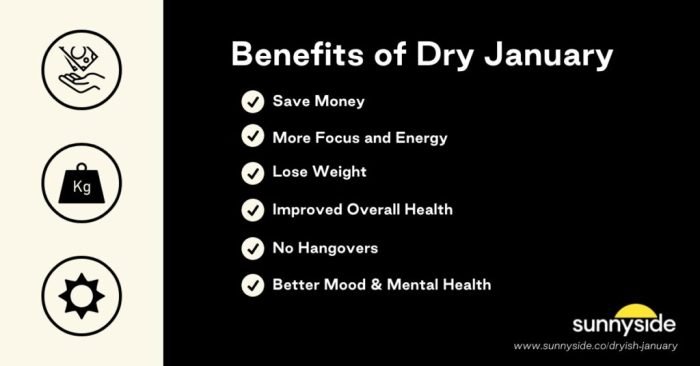
Dry January presents a powerful opportunity to prioritize your health and well-being, offering a chance to experience the positive effects of reduced alcohol consumption. While the initial decision to abstain may seem daunting, the potential rewards are significant. Whether you’re seeking to improve your sleep, enhance your mental clarity, or simply take a break from your usual routine, Dry January can be a transformative experience.
Remember, the journey to a healthier lifestyle starts with a single step, and Dry January could be the perfect catalyst for a positive change.
FAQ Resource
Is Dry January only for people who drink heavily?
No, Dry January is for anyone who wants to take a break from alcohol, regardless of their drinking habits. Even moderate drinkers can benefit from a month of abstinence.
What if I experience cravings during Dry January?
Cravings are normal. It’s helpful to have a plan in place, such as engaging in alternative activities, staying hydrated, and having healthy snacks readily available.
Will I gain weight if I stop drinking alcohol for a month?
Not necessarily. Alcohol contains empty calories, so reducing your intake can help you manage your weight. However, it’s important to maintain a healthy diet and exercise routine.