
Health and the community are inextricably linked, forming a complex ecosystem where individual well-being is shaped by the social, economic, and environmental factors surrounding them. This interconnectedness underscores the importance of a holistic approach to health, recognizing that promoting individual health requires addressing the broader determinants of health within communities.
This exploration delves into the multifaceted relationship between health and the community, examining how community health initiatives, social determinants, health communication, policy, data, and partnerships play crucial roles in shaping the well-being of individuals and communities. We will uncover the complexities of this relationship, highlighting the challenges and opportunities for creating healthier and more equitable communities.
Community Health Initiatives

Community health initiatives play a crucial role in improving the overall well-being of communities. They encompass a wide range of programs and strategies designed to address health disparities, promote healthy lifestyles, and ensure equitable access to healthcare services.
The Role of Community Health Centers
Community health centers (CHCs) serve as vital access points to healthcare services for underserved populations. They provide comprehensive primary care, including preventive services, chronic disease management, and mental health care.
- CHCs are located in communities with limited access to healthcare providers, often in rural areas, low-income neighborhoods, and minority communities. They offer culturally competent care, tailored to the specific needs of the communities they serve.
- CHCs play a crucial role in addressing health disparities by providing affordable and accessible healthcare services to individuals who might otherwise lack access. They often operate on a sliding-scale fee system, ensuring that financial barriers do not prevent individuals from receiving essential medical care.
- CHCs also offer a range of social services, such as transportation assistance, translation services, and case management, to support patients’ overall well-being.
The Impact of Public Health Campaigns
Public health campaigns are essential for raising awareness about health issues, promoting healthy behaviors, and encouraging individuals to take proactive steps towards improving their health.
- These campaigns utilize various communication channels, including television, radio, social media, and community outreach programs, to disseminate vital health information.
- Successful public health campaigns often employ evidence-based strategies, such as behavioral change theories and social marketing techniques, to effectively reach target audiences and influence their health-related behaviors.
- Examples of impactful public health campaigns include anti-smoking campaigns, HIV/AIDS awareness campaigns, and campaigns promoting vaccination and healthy eating habits.
Successful Community-Based Health Programs
Many community-based health programs have demonstrated success in improving health outcomes and addressing specific health concerns.
A strong community relies on access to quality healthcare, and a vital part of that is a reliable emergency room. The Parkland Health Emergency Room serves as a crucial resource for Dallas residents, ensuring swift and compassionate care in moments of crisis.
By fostering a robust healthcare system, we strengthen the well-being of the entire community.
- One notable example is the “Healthy Start” program, which focuses on reducing infant mortality rates by providing comprehensive prenatal care, postpartum support, and early childhood health services to low-income mothers.
- Another successful program is the “Diabetes Prevention Program,” which utilizes lifestyle interventions, including weight management, physical activity, and nutrition education, to prevent the development of type 2 diabetes in individuals at high risk.
- These programs often involve partnerships between healthcare providers, community organizations, and local government agencies, fostering collaboration and resource sharing.
Challenges Faced by Communities in Accessing Healthcare Services
Communities often face significant challenges in accessing healthcare services, particularly those with limited resources and marginalized populations.
- Financial barriers:High healthcare costs and limited insurance coverage can make it difficult for individuals to afford necessary medical care.
- Geographic barriers:Rural communities and underserved neighborhoods may lack access to healthcare providers and facilities, leading to delays in seeking medical attention.
- Cultural and language barriers:Language differences and cultural beliefs can hinder communication and understanding between healthcare providers and patients, impacting the quality of care.
Designing a Community Health Program Addressing a Specific Health Concern
Designing a community health program requires careful planning and consideration of the specific health concern, target population, and available resources.
- Identify the health concern:Begin by identifying the health concern that the program aims to address. This could be a prevalent chronic disease, a growing public health issue, or a specific health disparity.
- Define the target population:Determine the specific population that the program will serve. Consider factors such as age, gender, ethnicity, socioeconomic status, and geographic location.
- Develop program objectives:Clearly define the program’s goals and objectives. These should be measurable, achievable, relevant, and time-bound (SMART).
- Choose appropriate interventions:Select interventions that are evidence-based and tailored to the specific health concern and target population. These could include education, counseling, screening, and referral services.
- Implement the program:Develop a plan for implementing the program, including recruitment, training, and ongoing monitoring and evaluation.
Social Determinants of Health
The social determinants of health (SDOH) are the conditions in which people are born, grow, live, work, and age. They encompass a wide range of factors that influence health outcomes, including socioeconomic status, education, employment, housing, transportation, and access to healthcare.
Socioeconomic Factors and Health Outcomes
Socioeconomic factors play a significant role in shaping health outcomes. Lower socioeconomic status is often associated with poorer health, higher rates of chronic diseases, and shorter life expectancy.
A healthy community thrives when individuals prioritize their well-being, and one way to do this is by taking a break from alcohol. Participating in Dry January can have numerous benefits for your health, as outlined in this article on dry January health benefits.
By making conscious choices for our health, we contribute to a stronger, healthier community for everyone.
- Income:Lower income can limit access to nutritious food, safe housing, and healthcare, leading to increased risk of chronic diseases like diabetes, heart disease, and obesity.
- Education:Higher education levels are generally linked to better health outcomes. Education empowers individuals with knowledge about health, provides opportunities for higher-paying jobs, and promotes healthy behaviors.
- Occupation:Certain occupations may expose workers to hazardous conditions, leading to occupational injuries and illnesses. Moreover, low-wage jobs often lack benefits like health insurance, further exacerbating health disparities.
The Relationship Between Education, Employment, and Health
Education, employment, and health are interconnected in a complex web.
- Education:Education provides individuals with the knowledge and skills needed to secure better-paying jobs, which in turn, can lead to improved living conditions and access to healthcare.
- Employment:Employment provides financial security, which can help individuals afford healthy food, safe housing, and healthcare. However, unemployment or underemployment can lead to stress, financial strain, and poorer health.
- Health:Good health enables individuals to participate in education and employment. Conversely, poor health can hinder educational attainment and job opportunities, creating a vicious cycle of disadvantage.
The Role of Housing, Transportation, and Food Security
Housing, transportation, and food security are fundamental SDOH that impact community health.
- Housing:Safe and affordable housing is essential for health. Inadequate housing can lead to exposure to environmental hazards, overcrowding, and stress, all of which can negatively affect health.
- Transportation:Access to reliable and affordable transportation is crucial for accessing healthcare, employment, and healthy food options. Limited transportation can create barriers to healthcare and contribute to health disparities.
- Food Security:Food insecurity, or the lack of consistent access to adequate food, is a major public health concern. It can lead to malnutrition, chronic diseases, and impaired cognitive development, particularly in children.
Health Disparities Among Communities
Different communities experience varying levels of health disparities due to unequal access to resources and opportunities.
- Racial and Ethnic Minorities:Racial and ethnic minorities often face higher rates of chronic diseases, lower life expectancy, and poorer health outcomes due to systemic racism and discrimination in healthcare, education, and employment.
- Rural Communities:Rural communities often have limited access to healthcare providers, specialists, and essential services, leading to higher rates of chronic diseases and poorer health outcomes.
- Low-Income Communities:Low-income communities experience higher rates of poverty, unemployment, and food insecurity, contributing to increased risk of chronic diseases and poor health outcomes.
Health Communication and Education

Effective health communication and education are crucial for promoting healthy behaviors and improving community health outcomes. By effectively conveying health information and empowering individuals to make informed decisions, communities can work towards achieving better health equity and well-being.
Examples of Effective Community Health Education Programs
Effective community health education programs are designed to meet the specific needs of the target population and utilize various strategies to engage participants.
- The American Heart Association’s “Go Red for Women” campaign:This campaign effectively raises awareness about heart disease in women through educational materials, events, and advocacy efforts. It emphasizes the importance of early detection and prevention, empowering women to take charge of their heart health.
- The Centers for Disease Control and Prevention’s (CDC) “National Diabetes Prevention Program”:This program offers evidence-based lifestyle changes to prevent type 2 diabetes. It combines group education sessions with personalized coaching, helping participants adopt healthy eating habits and increase physical activity.
- The National Cancer Institute’s “Cancer Prevention and Early Detection” program:This program provides information and resources about cancer prevention and early detection, encouraging individuals to adopt healthy habits and get regular screenings. It utilizes various communication channels, including online resources, brochures, and community events.
The Role of Technology in Promoting Health Awareness and Literacy
Technology plays a vital role in promoting health awareness and literacy by providing access to information, facilitating communication, and engaging individuals in interactive learning experiences.
- Mobile health applications (mHealth):These apps provide personalized health information, track health metrics, and offer reminders for medication or appointments. They allow individuals to access health resources conveniently and manage their health proactively.
- Social media platforms:Social media platforms can be used to share health information, raise awareness about health issues, and connect individuals with health professionals and support groups. They provide a powerful tool for reaching diverse audiences and promoting health literacy.
- Telehealth services:Telehealth services allow individuals to consult with healthcare providers remotely, offering convenient access to medical care, especially in underserved areas. They facilitate communication and improve access to healthcare information.
The Importance of Culturally Sensitive Health Communication, Health and the community
Culturally sensitive health communication is essential for ensuring that health information is relevant, understandable, and accessible to diverse populations.
- Respecting cultural beliefs and practices:Healthcare providers and educators must be aware of and respect cultural beliefs and practices that may influence health behaviors. For example, certain cultural groups may have specific dietary restrictions or beliefs about traditional medicine.
- Using culturally appropriate language and materials:Communication materials should be written and spoken in a language that is understood by the target audience and use culturally relevant imagery and examples. It’s crucial to avoid using jargon or technical terms that may be unfamiliar to certain groups.
- Building trust and rapport:Establishing trust and rapport with individuals from diverse backgrounds is essential for effective health communication. This can be achieved by listening attentively, demonstrating empathy, and acknowledging cultural differences.
Health Education Campaign Targeting a Specific Community Group
A health education campaign targeting a specific community group should be tailored to their unique needs, interests, and communication preferences.
- Target audience:The campaign should clearly identify the target audience, such as young adults, seniors, or individuals from a specific ethnic group.
- Health issue:The campaign should focus on a specific health issue relevant to the target audience, such as obesity, smoking cessation, or mental health.
- Message:The campaign message should be clear, concise, and culturally sensitive, using language and examples that resonate with the target audience.
- Channels:The campaign should utilize various communication channels to reach the target audience, such as social media, community events, or partnerships with local organizations.
- Evaluation:The campaign should be evaluated to assess its effectiveness in reaching the target audience, changing health behaviors, and improving health outcomes.
The Impact of Misinformation and Health Literacy on Community Health
Misinformation and low health literacy can have significant negative impacts on community health.
- Misinformation:The spread of misinformation can lead to confusion, fear, and mistrust of healthcare providers and institutions. It can also result in individuals making unhealthy choices based on inaccurate information.
- Health literacy:Low health literacy can make it difficult for individuals to understand health information, navigate the healthcare system, and make informed decisions about their health. It can also lead to poor health outcomes and increased healthcare costs.
Health Policy and Advocacy

Health policy and advocacy play a crucial role in shaping the health of communities. They influence the allocation of resources, the development of programs, and the implementation of strategies that directly impact health outcomes.
Impact of Health Policies on Community Health Outcomes
Health policies can have a profound impact on the health of communities. For instance, policies that promote access to affordable healthcare, such as expanding Medicaid coverage, can lead to improved health outcomes, reduced healthcare costs, and increased life expectancy. Conversely, policies that restrict access to healthcare, such as cuts to public health programs, can have negative consequences, leading to increased rates of preventable diseases, higher healthcare costs, and reduced quality of life.
Role of Advocacy Organizations in Promoting Community Health
Advocacy organizations play a vital role in promoting community health by influencing policy decisions, raising awareness about health issues, and mobilizing communities to advocate for change. They conduct research, develop policy proposals, engage in lobbying efforts, and educate the public on health-related matters.
Examples of advocacy organizations include the American Heart Association, the American Cancer Society, and the American Lung Association.
Key Health Policy Issues Affecting Communities
Several key health policy issues affect communities, including:
- Access to affordable healthcare: Ensuring that all individuals have access to quality, affordable healthcare is essential for improving community health outcomes. This includes expanding Medicaid coverage, providing subsidies for health insurance premiums, and addressing disparities in access to healthcare services.
- Prevention and public health: Investing in public health programs, such as immunization campaigns, disease surveillance, and health education initiatives, is crucial for preventing disease outbreaks, reducing the burden of chronic diseases, and promoting overall health and well-being.
- Mental health and substance use disorders: Addressing the mental health and substance use disorder crisis requires comprehensive policies that focus on prevention, treatment, and recovery. This includes expanding access to mental health services, reducing stigma associated with mental illness, and providing support for individuals in recovery.
- Environmental health: Protecting public health from environmental hazards, such as air pollution, water contamination, and climate change, is essential. This includes enacting regulations to reduce emissions, ensuring access to clean water, and investing in renewable energy sources.
Importance of Community Engagement in Health Policy Decision-Making
Community engagement is essential for ensuring that health policies reflect the needs and priorities of the communities they are intended to serve. By involving community members in the policy-making process, policymakers can gain valuable insights into local health challenges, identify effective solutions, and build support for policy changes.
Policy Proposal Addressing a Specific Community Health Concern
A policy proposal addressing the community health concern of childhood obesity could include:
- Implementing nutrition standards in school meals, requiring schools to offer healthier food options and limit the availability of sugary drinks and unhealthy snacks.
- Providing funding for physical activity programs in schools, such as recess, physical education classes, and after-school sports programs.
- Supporting community-based initiatives that promote healthy eating and physical activity, such as farmers markets, community gardens, and walking trails.
- Raising awareness about the health risks associated with childhood obesity and providing resources to families on healthy eating and physical activity.
Community Health Data and Research
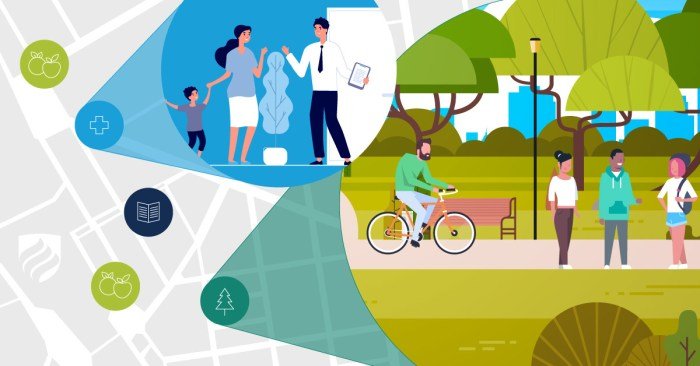
Community health data and research are crucial for understanding the health status of a population and identifying areas for improvement. By collecting and analyzing data, public health professionals can gain insights into the factors that influence health outcomes, develop effective interventions, and monitor the impact of their programs.
The Importance of Collecting and Analyzing Community Health Data
Collecting and analyzing community health data is essential for understanding the health status of a population and identifying areas for improvement. Data can be used to track trends in disease prevalence, identify risk factors for specific health conditions, and evaluate the effectiveness of public health interventions.
Key Indicators Used to Measure Community Health Outcomes
Several key indicators are used to measure community health outcomes. These indicators provide a snapshot of the health status of a population and can be used to track progress over time.
- Life expectancy:This indicator measures the average number of years a person is expected to live at birth. A higher life expectancy indicates a healthier population.
- Infant mortality rate:This indicator measures the number of deaths of infants under one year of age per 1,000 live births. A lower infant mortality rate indicates a healthier population.
- Maternal mortality rate:This indicator measures the number of deaths of women during pregnancy or childbirth per 100,000 live births. A lower maternal mortality rate indicates a healthier population.
- Prevalence of chronic diseases:This indicator measures the proportion of the population that has a specific chronic disease, such as heart disease, diabetes, or cancer. A lower prevalence of chronic diseases indicates a healthier population.
- Health behaviors:This indicator measures the proportion of the population that engages in healthy behaviors, such as physical activity, healthy eating, and smoking cessation. A higher proportion of the population engaging in healthy behaviors indicates a healthier population.
- Access to healthcare:This indicator measures the proportion of the population that has access to affordable and quality healthcare services. A higher proportion of the population with access to healthcare indicates a healthier population.
The Use of Research Findings to Inform Community Health Interventions
Research findings can be used to inform community health interventions in several ways. For example, research can be used to identify risk factors for specific health conditions, evaluate the effectiveness of different interventions, and develop new strategies for improving health outcomes.
Ethical Considerations Involved in Community Health Research
Several ethical considerations are involved in community health research. Researchers must ensure that they obtain informed consent from participants, protect the privacy and confidentiality of participants’ data, and minimize the risk of harm to participants.
Research Proposal Exploring a Specific Community Health Topic
This research proposal will explore the relationship between access to healthy food and obesity rates in a specific community.
Research Question:What is the relationship between access to healthy food and obesity rates in [community name]?
Objectives:
A healthy community thrives when individuals prioritize their well-being. One way to foster this is by encouraging personal growth in health, which can be achieved through adopting a holistic approach to wellness. For inspiration and guidance on this journey, explore the resources at growing health.
Ultimately, individual growth in health contributes to a stronger and more resilient community as a whole.
- To assess the availability of healthy food options in [community name].
- To determine the prevalence of obesity in [community name].
- To examine the relationship between access to healthy food and obesity rates in [community name].
Methods:
- A cross-sectional study will be conducted to collect data on the availability of healthy food options in [community name]. This will involve surveying residents about their access to grocery stores, farmers’ markets, and other food retailers.
- Data on obesity prevalence in [community name] will be obtained from publicly available sources, such as the Centers for Disease Control and Prevention (CDC).
- Statistical analysis will be used to examine the relationship between access to healthy food and obesity rates in [community name].
Expected Outcomes:
- The study will provide insights into the availability of healthy food options in [community name].
- The study will identify the prevalence of obesity in [community name].
- The study will determine whether there is a relationship between access to healthy food and obesity rates in [community name].
Significance:
- The findings of this study will be used to inform community health interventions aimed at improving access to healthy food and reducing obesity rates in [community name].
- The study will contribute to the growing body of research on the relationship between food access and obesity.
Community Health Partnerships
Community health partnerships are collaborations between healthcare providers, community organizations, and residents to improve the health and well-being of a specific population. These partnerships aim to address health disparities, promote healthy behaviors, and create a healthier environment for all.
Benefits of Community Health Partnerships
Effective partnerships can yield numerous benefits for all stakeholders involved.
- Improved Health Outcomes:Collaboration allows for a comprehensive approach to health issues, addressing social determinants of health and promoting health equity. For example, a partnership between a hospital and a local food bank can provide nutritious meals to low-income families, improving their overall health and well-being.
- Increased Access to Care:Partnerships can help bridge gaps in healthcare access by providing transportation, translation services, and other resources to underserved communities. A partnership between a community health center and a local transportation agency can ensure that patients can reach their appointments.
- Enhanced Community Engagement:Partnerships can empower residents to take an active role in improving their health and well-being. For instance, a partnership between a local health department and a community group can conduct health education workshops and community outreach programs.
- Cost-Effectiveness:Partnerships can leverage resources and expertise, leading to more efficient and cost-effective healthcare delivery. For example, a partnership between a health insurer and a community health organization can provide preventive health services to reduce healthcare costs in the long run.
- Sustainability:Partnerships can create sustainable solutions to health challenges by fostering long-term collaboration and resource sharing. For example, a partnership between a university and a local community center can develop and implement community-based health programs.
Examples of Successful Community Health Partnerships
- The American Heart Association’s “Life’s Simple 7” initiative, which partners with community organizations, healthcare providers, and residents to promote heart health through lifestyle changes.
- The National Alliance on Mental Illness (NAMI)’s “NAMI Walks”, which partners with local communities to raise awareness and funding for mental health services.
- The YMCA’s “Healthy Kids Day”, which partners with healthcare providers, community organizations, and schools to promote healthy lifestyles for children and families.
Challenges in Building and Maintaining Partnerships
Building and maintaining effective community health partnerships can be challenging.
- Misaligned Goals and Priorities:Partners may have different goals and priorities, leading to conflicts and misunderstandings. Clear communication and a shared vision are crucial for overcoming this challenge.
- Lack of Trust and Communication:Building trust and open communication between partners is essential for effective collaboration. This requires time, effort, and a commitment to mutual respect and understanding.
- Resource Constraints:Partners may face resource constraints, including funding, staff, and time. Finding creative solutions and leveraging existing resources can help address this challenge.
- Power Imbalances:Power imbalances between partners can create challenges in decision-making and resource allocation. Establishing clear roles and responsibilities and ensuring equitable representation can help mitigate this issue.
- Lack of Evaluation and Measurement:Without regular evaluation and measurement, it can be difficult to assess the impact of partnerships and make necessary adjustments. Establishing clear metrics and data collection systems is crucial for accountability and continuous improvement.
Key Stakeholders Involved in Community Health Initiatives
- Healthcare Providers:Hospitals, clinics, physicians, nurses, and other healthcare professionals play a crucial role in providing clinical services and collaborating with community partners.
- Community Organizations:Non-profit organizations, faith-based groups, community centers, and other community-based organizations can provide vital services and support to residents.
- Residents:Residents are the ultimate beneficiaries of community health initiatives and should be actively involved in planning, implementation, and evaluation.
- Government Agencies:Local, state, and federal government agencies can provide funding, resources, and policy support for community health initiatives.
- Businesses:Businesses can contribute to community health by providing resources, promoting healthy workplaces, and supporting community health initiatives.
- Academic Institutions:Universities and colleges can provide research, education, and training for community health professionals and residents.
Framework for Effective Community Health Partnerships
- Define a Shared Vision and Goals:All partners should agree on a common vision and set clear goals for the partnership.
- Establish Clear Roles and Responsibilities:Define the specific roles and responsibilities of each partner to ensure clear accountability and efficient collaboration.
- Develop a Communication Plan:Establish regular communication channels and protocols to facilitate information sharing and address any issues that may arise.
- Build Trust and Relationships:Invest time and effort in building trust and strong relationships between partners.
- Secure Funding and Resources:Identify and secure funding and other resources to support the partnership’s activities.
- Monitor and Evaluate Progress:Regularly monitor and evaluate the partnership’s progress to ensure that it is achieving its goals and making a positive impact.
Conclusion
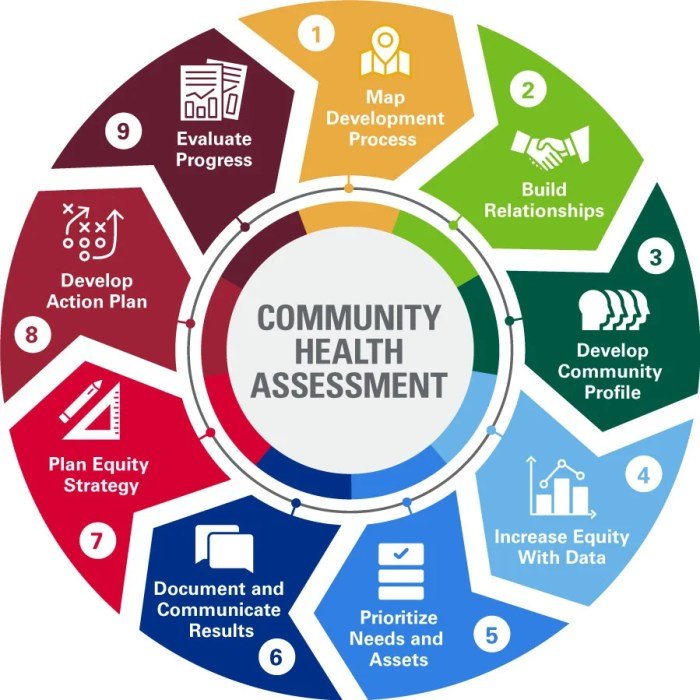
By understanding the intricate connections between health and the community, we can empower individuals, communities, and policymakers to take proactive steps towards building a healthier future. Through collaborative efforts, innovative strategies, and a commitment to equity, we can create communities where everyone has the opportunity to thrive.
This journey necessitates a collective responsibility, where individuals, organizations, and governments work together to address the social, economic, and environmental factors that influence health, ultimately fostering a healthier and more vibrant society.
FAQs: Health And The Community
What are some examples of community health initiatives?
Community health initiatives can range from providing free health screenings and vaccinations to implementing health education programs and supporting food banks. These initiatives often involve partnerships between healthcare providers, community organizations, and residents.
How do social determinants of health impact communities?
Social determinants of health, such as poverty, lack of education, and limited access to healthcare, can create significant health disparities between communities. These factors can lead to increased rates of chronic diseases, mental health issues, and premature mortality.
What are some examples of successful community health partnerships?
Successful community health partnerships often involve collaborations between healthcare providers, community organizations, and residents. Examples include initiatives that address food insecurity, provide transportation assistance to healthcare appointments, and offer culturally sensitive health education programs.