
Patterns Beauty: From Nature to Technology delves into the captivating world of patterns, exploring their presence in nature, art, culture, technology, and our perception of beauty. We will journey through the mathematical marvels of the Fibonacci sequence and golden ratio found in seashells and sunflowers, to the artistic expressions of patterns in paintings, sculptures, and architecture.
We’ll uncover the cultural significance of patterns in traditions, rituals, and symbols, and witness their role in driving innovation and problem-solving in science and technology.
This exploration will reveal how patterns are not just aesthetically pleasing but also fundamentally interconnected with our understanding of the world around us. We’ll examine the psychological and aesthetic principles that govern our perception of beauty in patterns, uncovering the fascinating interplay between symmetry, repetition, contrast, and cultural influences.
Patterns in Nature
Nature is a canvas of intricate and captivating patterns, a testament to the underlying mathematical and geometric principles that govern the universe. From the delicate spiral of a seashell to the majestic branching of a tree, these patterns are not merely aesthetic embellishments but rather reflect fundamental laws of growth, optimization, and efficiency.
The Fibonacci Sequence and the Golden Ratio
The Fibonacci sequence, a series of numbers where each number is the sum of the two preceding ones (e.g., 0, 1, 1, 2, 3, 5, 8), is a ubiquitous pattern in nature. The golden ratio, approximately 1.618, emerges from the Fibonacci sequence as the ratio between consecutive numbers approaches this value.
- Seashells:The spiral of a nautilus shell, for instance, closely follows the Fibonacci sequence. As the shell grows, it adds chambers in a spiral pattern, where the ratio of the width of each chamber to the width of the previous chamber approximates the golden ratio.
- Sunflowers:The arrangement of seeds in a sunflower head also adheres to the Fibonacci sequence. The seeds are arranged in a spiral pattern, with two sets of spirals winding in opposite directions. The number of spirals in each set often corresponds to consecutive Fibonacci numbers, like 34 and 55.
The golden ratio is often considered aesthetically pleasing, and its presence in nature suggests that it plays a role in the harmonious proportions and visual appeal of many natural forms.
Patterns in Art and Design: Patterns Beauty
Patterns are ubiquitous in art and design, serving as a fundamental element for creating visual interest, rhythm, and harmony. From the intricate mosaics of ancient civilizations to the bold geometric designs of modern architecture, patterns have been employed throughout history to enhance aesthetic appeal and convey meaning.
The intricate patterns found in nature often hold a mesmerizing beauty. This same principle applies to the world of food, where mochi, with its smooth texture and delicate flavors, showcases the captivating artistry of Japanese cuisine. To learn more about the health benefits of mochi, check out this article on mochi health.
Whether it’s the delicate folds of a flower petal or the intricate swirls of a mochi dessert, patterns remind us of the beauty and complexity that surrounds us.
Types of Patterns in Art and Design
Patterns can be broadly categorized into three main types: geometric, organic, and abstract.
- Geometric patternsare characterized by repeating shapes, lines, and angles, often exhibiting symmetry and order. Examples include grids, stripes, zigzags, and tessellations. These patterns are commonly found in architecture, textiles, and graphic design, where they create a sense of structure and visual balance.
- Organic patternsare derived from natural forms, such as plants, animals, and landscapes. They often exhibit irregular shapes, flowing lines, and intricate details. Examples include floral motifs, animal prints, and wood grain. Organic patterns are often used to create a sense of nature, warmth, and authenticity in art and design.
- Abstract patternsare non-representational and do not depict recognizable objects or forms. They are often characterized by their use of color, texture, and form to create visual interest and evoke emotions. Examples include abstract paintings, sculptures, and textile designs. Abstract patterns allow for greater freedom of expression and interpretation, challenging traditional notions of beauty and design.
The Role of Patterns in Art and Design, Patterns beauty
Artists and designers use patterns to achieve a variety of aesthetic and functional goals.
- Visual Interest:Patterns break up monotony and create visual excitement, drawing the viewer’s eye and stimulating their imagination.
- Rhythm and Movement:Repeating patterns can create a sense of rhythm and movement, guiding the viewer’s gaze across the artwork or design.
- Harmony and Unity:Patterns can unify different elements of a design, creating a sense of coherence and harmony.
- Cultural Significance:Patterns often hold cultural and symbolic meanings, reflecting the beliefs, values, and traditions of different societies. For example, the intricate patterns found in Islamic art are often imbued with religious and spiritual significance.
Patterns in Different Art Movements
The use of patterns has evolved significantly throughout history, reflecting the changing aesthetics and philosophies of different art movements.
| Art Movement | Characteristics of Pattern Use | Examples |
|---|---|---|
| Art Nouveau | Organic and flowing patterns inspired by nature, often featuring stylized plants, animals, and geometric shapes. | The work of Antoni Gaudí, such as Park Güell in Barcelona, is known for its intricate and whimsical use of organic patterns. |
| Art Deco | Geometric patterns with strong emphasis on symmetry, bold colors, and luxurious materials. | The Chrysler Building in New York City is a prime example of Art Deco architecture, featuring geometric patterns in its facade and interiors. |
| Abstract Expressionism | Emphasis on spontaneous and expressive gestures, often using abstract patterns to convey emotions and ideas. | The paintings of Jackson Pollock, known for their drips and splatters, are characterized by abstract patterns that create a sense of energy and movement. |
| Pop Art | Use of bold and repetitive patterns derived from popular culture, such as comic strips, advertisements, and consumer products. | Andy Warhol’s iconic “Campbell’s Soup Cans” series is a prime example of Pop Art’s use of repetitive patterns to comment on consumerism and mass culture. |
Patterns in Culture and Society
Patterns are not just aesthetic elements; they permeate every aspect of human culture, serving as a fundamental language that shapes our understanding of the world and ourselves. From the intricate motifs woven into traditional textiles to the rhythmic beats of music and the symbolic gestures of rituals, patterns are deeply ingrained in our social fabric, reflecting our beliefs, values, and shared identities.
The Significance of Patterns in Various Cultures
Patterns are more than just decorative elements; they often carry profound cultural significance. They can represent:
- Beliefs and Spirituality:Many cultures use patterns to depict their spiritual beliefs and connection to the divine. For example, the intricate mandalas in Tibetan Buddhism symbolize the universe and the interconnectedness of all things. Similarly, the Celtic knot patterns represent eternal life and the interconnectedness of all things.
- Identity and Belonging:Patterns can act as visual markers of cultural identity, distinguishing one group from another. For instance, the kente cloth of Ghana, with its vibrant geometric patterns, is a symbol of Ashanti culture and heritage. The intricate patterns on traditional Native American clothing often represent specific clans or families, signifying their lineage and cultural ties.
- Social Structure and Hierarchy:Patterns can also reflect social hierarchies and status within a society. In some cultures, the complexity and intricacy of patterns on clothing or jewelry can signify wealth, power, or social standing. For example, the intricate embroidery on traditional Indian saris can indicate the wearer’s social status and family background.
- Protection and Good Fortune:Patterns can also be imbued with protective powers or bring good fortune. The evil eye motif, found in cultures across the Mediterranean and the Middle East, is believed to ward off bad luck and misfortune. Similarly, the Chinese character for “double happiness,” often used in wedding decorations, is believed to bring good fortune to the newlyweds.
The Impact of Patterns on Social Interactions and Communication
Patterns play a crucial role in shaping social interactions and communication. They can:
- Facilitate Communication:Patterns can serve as a visual language, conveying meaning and information without the need for spoken words. For example, the intricate dance patterns of traditional dances often tell stories or express emotions.
- Create Shared Experiences:Patterns can foster a sense of shared identity and belonging among members of a community. For example, the repetition of patterns in traditional music or dance can create a sense of unity and shared experience.
- Regulate Social Behavior:Patterns can also play a role in regulating social behavior. For example, the intricate patterns on traditional clothing can indicate the wearer’s social status and expected behavior.
- Express Creativity and Innovation:Patterns are a powerful tool for expressing creativity and innovation. The constant evolution and adaptation of patterns reflect the changing needs and aspirations of different cultures. For example, the use of digital technology has led to the creation of new and innovative patterns in contemporary art and design.
Patterns in Technology and Science
Patterns are the building blocks of the universe, and they play a crucial role in technology and science. From the intricate algorithms that power our computers to the elegant laws that govern the natural world, patterns provide a framework for understanding complex systems and developing innovative solutions.
Patterns in Computer Algorithms
Computer algorithms are a set of instructions that tell a computer how to perform a specific task. Many algorithms are based on patterns, which can be used to optimize performance, reduce complexity, and solve problems efficiently. For example, the “divide and conquer” pattern is a common algorithmic technique used to break down complex problems into smaller, more manageable subproblems.
This pattern is used in algorithms like merge sort, quick sort, and binary search, which are widely used in computer science for sorting and searching data. Another example is the “pattern recognition” pattern, which is used to identify patterns in data.
This pattern is used in machine learning algorithms, which are used to train computers to learn from data and make predictions. For example, image recognition algorithms use pattern recognition to identify objects in images, while natural language processing algorithms use pattern recognition to understand human language.
Patterns in Data Analysis
Data analysis involves the process of collecting, cleaning, and analyzing data to extract meaningful insights. Patterns play a critical role in data analysis, as they can be used to identify trends, anomalies, and relationships within data sets. For example, statistical analysis techniques, such as regression analysis, use patterns in data to identify relationships between variables.
These relationships can be used to make predictions about future outcomes or to understand the underlying causes of observed phenomena. Another example is data visualization, which uses patterns to create visual representations of data that can be easily understood and interpreted.
Data visualization techniques, such as charts, graphs, and maps, can be used to identify trends, outliers, and clusters in data, which can help analysts to draw meaningful conclusions.
Patterns in Scientific Models
Scientific models are representations of real-world phenomena that are used to understand and predict behavior. Many scientific models are based on patterns, which can be used to simplify complex systems and make them more manageable.For example, the periodic table of elements is based on the pattern of repeating properties of elements, which allows scientists to predict the behavior of elements based on their position on the table.Another example is the model of the solar system, which is based on the pattern of planetary motion.
This model allows scientists to predict the positions of planets in the sky and to understand the forces that govern their movement.
The beauty of patterns lies in their ability to create order and harmony. Whether it’s the intricate spirals of a seashell or the rhythmic arrangement of leaves on a branch, these designs capture our attention and evoke a sense of wonder.
And just as nature exhibits patterns, so too does our own health, as explored in the article on apple wa health , which highlights the interconnectedness of our well-being. By understanding the patterns within our bodies, we can gain valuable insights into maintaining a healthy and fulfilling life.
The Perception of Beauty in Patterns
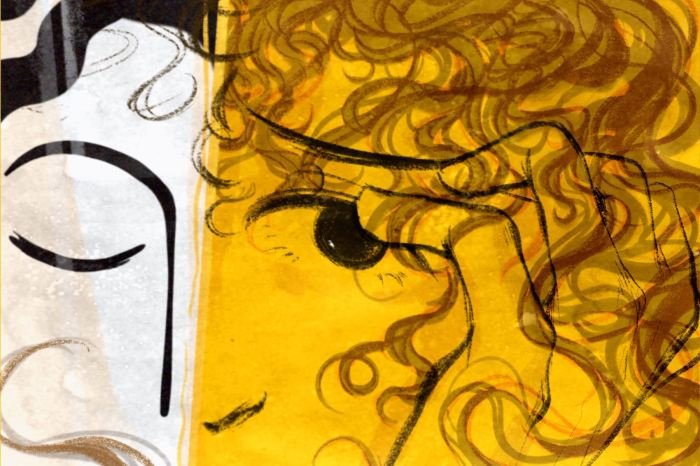
Patterns are ubiquitous in the natural world, from the swirling galaxies to the intricate veins of a leaf. They are also fundamental to human-made art, design, and culture. But why do we find patterns so aesthetically pleasing? What is it about their repetition, symmetry, and contrast that draws us in?
The beauty of patterns is often overlooked, but it’s present in everything from the intricate veins on a leaf to the rhythmic waves of the ocean. This same sense of order and repetition can be applied to our own well-being, especially when it comes to man’s health.
Creating a consistent routine for exercise, nutrition, and stress management can help create a more balanced and fulfilling life, just like the patterns that bring harmony to nature.
The Psychology of Pattern Perception
The human brain is wired to recognize and appreciate patterns. This ability is crucial for survival, allowing us to identify threats, navigate our environment, and make sense of the world around us. Our brains are constantly searching for patterns, even in seemingly random data.
- Gestalt Principles:The Gestalt principles of perception, which emphasize the way we organize visual information, explain how we perceive patterns. These principles include proximity, similarity, closure, and continuity. These principles help us to see patterns even when they are incomplete or fragmented.
- Symmetry and Repetition:Symmetrical patterns are inherently pleasing to the human eye. This is likely due to the fact that symmetry is a common feature of the natural world. Repetition, too, creates a sense of order and predictability that is calming and aesthetically satisfying.
- Contrast and Variety:While repetition is crucial for pattern perception, too much of it can be monotonous. Contrast and variety, such as the use of different colors, shapes, or textures, add visual interest and prevent boredom.
Final Review

As we conclude our journey through the world of Patterns Beauty, we realize that patterns are not just a decorative element but a fundamental thread weaving through the fabric of our existence. They connect us to nature, inspire art, shape our cultures, drive innovation, and ultimately, contribute to our perception of beauty.
Whether it’s the intricate spirals of a seashell or the rhythmic repetition in a musical composition, patterns invite us to marvel at the intricate order and elegance embedded in our world.
FAQ Summary
What is the Golden Ratio and how does it relate to patterns?
The Golden Ratio, approximately 1.618, is a mathematical concept found in various natural and man-made objects. It’s often associated with aesthetic beauty and harmony. Many patterns in nature, like the arrangement of seeds in a sunflower or the spiral of a seashell, adhere to this ratio.
Are there any cultural differences in the perception of beauty in patterns?
Yes, different cultures have varying aesthetic preferences for patterns. For example, some cultures might favor geometric patterns while others prefer organic or abstract forms. The meaning and symbolism associated with patterns can also vary significantly across cultures.
How are patterns used in technology?
Patterns are fundamental in technology, particularly in computer programming and data analysis. They help create algorithms, analyze data, and develop complex systems. For instance, recognizing patterns in data allows for machine learning and predictive modeling.