
Health shrimp meals offer a delicious and nutritious way to enjoy this versatile seafood. Shrimp is packed with protein, essential vitamins, and minerals, making it a valuable addition to a balanced diet. From flavorful appetizers to hearty main courses, shrimp can be incorporated into a wide range of culinary creations.
This guide explores the nutritional benefits of shrimp, its potential health advantages, and provides inspiration for preparing healthy and flavorful shrimp meals. We’ll delve into tips for selecting and cooking shrimp, explore its role in various cultures, and address the importance of sustainable shrimp farming practices.
Nutritional Value of Shrimp
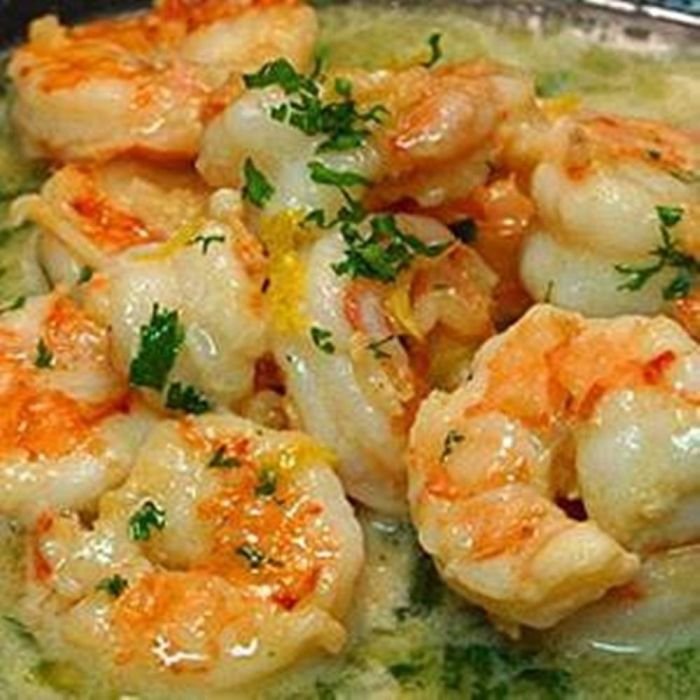
Shrimp is a delicious and versatile seafood option that is enjoyed worldwide. Beyond its culinary appeal, shrimp is also a nutritional powerhouse, packed with essential nutrients that benefit your overall health.
Protein Content of Shrimp
Shrimp is an excellent source of protein, providing a significant amount per serving. Protein is crucial for building and repairing tissues, maintaining muscle mass, and supporting a healthy immune system.
A 3-ounce serving of cooked shrimp contains approximately 18 grams of protein, which is about 36% of the recommended daily intake for adults.
Essential Vitamins and Minerals in Shrimp
Shrimp is a rich source of several essential vitamins and minerals, including:
- Vitamin B12:Crucial for the formation of red blood cells and the proper functioning of the nervous system.
- Selenium:An antioxidant that protects cells from damage and supports thyroid function.
- Phosphorus:Essential for bone health, energy production, and cell signaling.
- Iodine:Important for thyroid hormone production, which regulates metabolism.
- Zinc:Plays a vital role in immune function, wound healing, and cell growth.
Comparison to Other Seafood Options
Shrimp’s nutritional profile compares favorably to other popular seafood choices:
| Seafood | Protein (grams per 3 ounces) | Vitamin B12 (micrograms per 3 ounces) | Selenium (micrograms per 3 ounces) |
|---|---|---|---|
| Shrimp | 18 | 2.4 | 45 |
| Salmon | 19 | 4.8 | 27 |
| Tuna | 28 | 1.2 | 67 |
Contribution to a Balanced Diet
Incorporating shrimp into your diet can contribute to a balanced and healthy eating plan. Its high protein content can help you feel full and satisfied, while its essential vitamins and minerals support various bodily functions.
Health Benefits of Shrimp Consumption
Shrimp, a versatile and delicious seafood option, offers a range of health benefits that can positively impact your well-being. Incorporating shrimp into your diet can contribute to a healthier lifestyle, supporting cardiovascular health, brain function, and overall well-being.
Omega-3 Fatty Acids in Shrimp
Shrimp is a good source of omega-3 fatty acids, essential fats that our bodies cannot produce on their own. Omega-3s play a crucial role in maintaining heart health, reducing inflammation, and supporting brain function. These fatty acids contribute to lowering triglyceride levels, improving blood pressure, and reducing the risk of heart disease.
Benefits for Individuals with Dietary Needs
Shrimp can be a valuable protein source for individuals with specific dietary needs. For those with allergies or sensitivities, shrimp is a good alternative to other protein sources like beef, chicken, or pork. It is also a good source of protein for people who follow a gluten-free diet.
Delicious and Healthy Shrimp Meal Ideas
Shrimp is a versatile ingredient that can be incorporated into a wide variety of dishes, from appetizers to main courses and salads. This makes it an excellent choice for those looking to add some variety and flavor to their meals.
Here are some healthy and delicious shrimp meal ideas that you can try:
Shrimp Meal Ideas
Shrimp is a great source of protein, omega-3 fatty acids, and other essential nutrients. It is also low in calories and fat, making it a healthy choice for those watching their weight. Here are some delicious and healthy shrimp meal ideas:
| Meal Type | Ingredients | Preparation Time | Nutritional Information |
|---|---|---|---|
| Appetizer | Shrimp Cocktail: Cooked shrimp, cocktail sauce, lemon wedges | 10 minutes | Protein, omega-3 fatty acids, vitamin B12 |
| Main Course | Shrimp Scampi: Shrimp, garlic, white wine, olive oil, lemon juice, parsley | 30 minutes | Protein, omega-3 fatty acids, vitamin C, vitamin B12 |
| Salad | Shrimp Caesar Salad: Romaine lettuce, croutons, Parmesan cheese, Caesar dressing, cooked shrimp | 20 minutes | Protein, omega-3 fatty acids, calcium, vitamin C, vitamin B12 |
| Appetizer | Shrimp Skewers: Shrimp, bell peppers, onions, pineapple chunks, teriyaki sauce | 20 minutes | Protein, omega-3 fatty acids, vitamin C, vitamin B12 |
| Main Course | Shrimp Stir-Fry: Shrimp, broccoli, carrots, snap peas, soy sauce, ginger, garlic | 25 minutes | Protein, omega-3 fatty acids, vitamin C, vitamin A, vitamin B12 |
| Salad | Shrimp and Avocado Salad: Mixed greens, avocado, cherry tomatoes, red onion, lemon vinaigrette, cooked shrimp | 15 minutes | Protein, omega-3 fatty acids, vitamin C, vitamin K, potassium |
Tips for Preparing Healthy Shrimp Meals
Preparing shrimp meals can be a delightful experience, and with a few simple tips, you can ensure that your dishes are both delicious and nutritious. By understanding how to select the best shrimp and employ healthy cooking methods, you can create meals that are packed with flavor and health benefits.
Selecting Fresh, High-Quality Shrimp
Choosing the right shrimp is crucial for creating flavorful and healthy meals. Fresh shrimp should have a firm texture, a slightly sweet aroma, and a translucent, pearly-white color. Avoid shrimp that has a strong fishy odor, a mushy texture, or a dull, grayish color.
- Look for shrimp that are properly stored.Refrigerated shrimp should be kept at a temperature of 40°F or below. Frozen shrimp should be stored at 0°F or below.
- Check the expiration date.Shrimp should be consumed within a few days of being purchased.
- Choose shrimp that are sustainably sourced.Look for labels that indicate the shrimp are certified by organizations such as the Marine Stewardship Council (MSC).
Healthy Cooking Methods for Shrimp
Grilling, baking, and steaming are excellent healthy cooking methods for shrimp. These techniques minimize the need for added fats and oils, allowing the natural flavors of the shrimp to shine through.
- Grilling:Grilling shrimp is a quick and easy way to cook them. Simply thread the shrimp onto skewers and grill them over medium heat for 2-3 minutes per side.
- Baking:Baking shrimp is another healthy option. Toss the shrimp with olive oil, lemon juice, and your favorite spices, then bake them in a preheated oven at 400°F for 8-10 minutes.
- Steaming:Steaming shrimp is a gentle cooking method that preserves its delicate texture and flavor. Place the shrimp in a steamer basket over boiling water and steam them for 3-5 minutes, or until they are cooked through.
Shrimp in Different Cultures
Shrimp, a versatile and flavorful crustacean, holds a prominent place in culinary traditions across the globe. From the bustling markets of Asia to the coastal kitchens of Europe and the Americas, shrimp has been a staple ingredient for centuries, reflecting the diverse flavors and cultural nuances of each region.
Shrimp Dishes Around the World
Shrimp preparation methods and dishes vary significantly across different cultures, showcasing the unique culinary traditions and preferences of each region.
Shrimp is a versatile ingredient for healthy meals, offering lean protein and essential nutrients. If you’re looking for high-quality supplements to complement your shrimp-based diet, check out shp swanson health products , which offer a range of vitamins and minerals that support overall well-being.
By combining delicious shrimp dishes with these nutritional supplements, you can create a balanced and nourishing meal plan.
- Asian Cuisine:In Asia, shrimp is a ubiquitous ingredient, featured in a wide array of dishes. In China, shrimp is often stir-fried with vegetables, ginger, and garlic, creating a savory and aromatic dish. In Thailand, shrimp is used in curries, stir-fries, and noodle dishes, often with a spicy and tangy flavor profile.
Japan boasts a diverse range of shrimp dishes, including tempura, sushi, and sashimi, showcasing the delicate flavor of the crustacean.
- Mediterranean Cuisine:In the Mediterranean region, shrimp is often grilled or pan-fried with olive oil, garlic, and herbs, creating a simple yet flavorful dish. Shrimp is also a popular ingredient in seafood paellas, a traditional Spanish rice dish, and in various pasta dishes in Italy.
- Latin American Cuisine:Latin American cuisine embraces shrimp in a variety of ways, from ceviche, a marinated raw shrimp dish, to shrimp tacos, a popular street food in Mexico. Shrimp is also commonly used in seafood stews and rice dishes throughout the region.
- American Cuisine:In the United States, shrimp is a popular ingredient in both casual and fine dining restaurants. Shrimp cocktails, shrimp scampi, and grilled shrimp are just a few examples of the diverse ways Americans enjoy this crustacean.
Visual Representation of Shrimp Dishes, Health shrimp meals
To further illustrate the diverse ways shrimp is prepared around the world, here are some visual representations of shrimp dishes from different regions:
Asian Cuisine:A plate of Chinese stir-fried shrimp with vegetables, ginger, and garlic, showcasing the vibrant colors and aromatic flavors of this dish.
Health shrimp meals are a great option for those looking for a protein-packed, low-calorie meal. They’re also incredibly versatile and can be prepared in a variety of ways. If you’re looking for a gym to help you stay on track with your fitness goals, check out snap fitness 24 7 , which offers 24/7 access and a wide range of equipment.
After a great workout, a delicious shrimp meal can help you refuel and recover, keeping you on track for your health and fitness goals.
Mediterranean Cuisine:Grilled shrimp with olive oil, garlic, and herbs, presented on a rustic platter, highlighting the simplicity and freshness of this dish.
Latin American Cuisine:A plate of ceviche, featuring marinated raw shrimp with lime juice, onions, and cilantro, showcasing the bright colors and refreshing flavors of this dish.
Health shrimp meals are a great way to get your protein and omega-3s, but don’t forget about your beauty routine! You can find some great deals on your favorite beauty products with ulta beauty store coupons , so you can feel confident and healthy inside and out.
And after a delicious shrimp dinner, you’ll be ready to pamper yourself with some new makeup or skincare!
American Cuisine:A plate of shrimp scampi, with shrimp sautéed in butter, garlic, and white wine, served over pasta, representing the classic American comfort food.
Sustainability and Shrimp Farming: Health Shrimp Meals
Shrimp farming, also known as aquaculture, is a significant contributor to the global seafood market. While it offers a readily available source of protein, it also poses significant environmental challenges. Understanding the impact of shrimp farming and promoting sustainable practices are crucial for ensuring the long-term viability of this industry.
Environmental Impact of Shrimp Farming
Shrimp farming can have both positive and negative impacts on the environment. While it can provide a source of food without relying on wild-caught fish, it also has the potential to disrupt ecosystems and contribute to pollution.
- Mangrove Destruction:Shrimp farms often replace mangrove forests, which are vital habitats for various species and play a crucial role in coastal protection. The clearing of mangroves can lead to habitat loss, biodiversity decline, and increased coastal erosion.
- Water Pollution:Shrimp farming can generate significant amounts of waste, including uneaten feed, feces, and antibiotics. If not properly managed, these wastes can pollute surrounding waters, harming marine life and potentially affecting human health.
- Disease Outbreaks:Intensive shrimp farming practices can create conditions conducive to disease outbreaks. The use of antibiotics to control disease can further contribute to antibiotic resistance and pose risks to human health.
Sustainable Shrimp Farming Practices
Sustainable shrimp farming practices aim to minimize the environmental impact of shrimp production while ensuring the long-term viability of the industry.
- Responsible Site Selection:Choosing locations that minimize the impact on sensitive ecosystems, such as mangroves, is crucial.
- Water Management:Implementing efficient water management systems to reduce water use and minimize pollution is essential.
- Feed Management:Utilizing sustainable feed sources and reducing feed waste can significantly reduce the environmental footprint of shrimp farming.
- Disease Management:Employing integrated pest management strategies and reducing antibiotic use are key to preventing disease outbreaks and minimizing the risk of antibiotic resistance.
Shrimp Farming Certifications
Several certifications have been developed to promote sustainable shrimp farming practices. These certifications provide assurance to consumers that the shrimp they are purchasing comes from farms that meet specific environmental and social standards.
- Aquaculture Stewardship Council (ASC):The ASC is a non-profit organization that sets standards for responsible aquaculture practices. ASC certified shrimp farms meet rigorous criteria for environmental performance, social responsibility, and traceability.
- GlobalGAP:GlobalGAP is an international certification scheme that focuses on good agricultural practices. It covers a wide range of agricultural products, including shrimp. GlobalGAP certified shrimp farms meet standards for food safety, environmental protection, and worker welfare.
Closing Summary
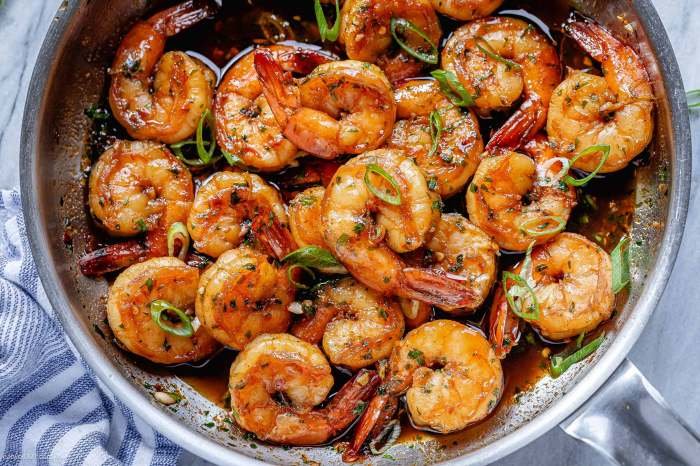
By understanding the nutritional value, health benefits, and culinary versatility of shrimp, you can confidently incorporate this delicious seafood into your diet. Whether you’re looking for a quick and easy weeknight meal or a special occasion dish, shrimp offers a healthy and flavorful option.
Embrace the culinary world of shrimp and discover the many ways this versatile ingredient can enhance your meals and contribute to your overall well-being.
FAQ
What are the best ways to cook shrimp?
Shrimp can be cooked in a variety of ways, including grilling, baking, steaming, sautéing, and pan-frying. The cooking method you choose will affect the flavor and texture of the shrimp. For a healthier option, consider grilling, baking, or steaming.
How can I tell if shrimp is fresh?
Fresh shrimp should have a firm texture, a slightly sweet smell, and a translucent, pearly-white color. Avoid shrimp that has a strong fishy odor, a mushy texture, or a dull, gray color.
How long can I store shrimp in the refrigerator?
Fresh shrimp can be stored in the refrigerator for up to 2 days. It’s best to store shrimp in a sealed container on a bed of ice.
What are the best substitutions for shrimp in a recipe?
If you’re looking for a substitute for shrimp, consider using other seafood options such as scallops, fish, or crab. You can also use tofu or tempeh as a plant-based alternative.