
Fitness women clothes have gone far beyond just functional wear. They’ve become a statement of style, athleticism, and even self-expression. From the simple leotards of the past to the high-tech, body-hugging gear of today, the evolution of fitness apparel for women reflects changing societal norms, advancements in athletic performance, and the growing influence of fashion trends.
This journey explores the key features, popular styles, and sustainability considerations within this dynamic industry. We’ll also delve into the relationship between fitness apparel and body image, and look ahead to the exciting future of women’s fitness wear.
The Evolution of Fitness Apparel for Women: Fitness Women Clothes
From the early days of bloomers to the high-tech fabrics of today, women’s fitness apparel has undergone a remarkable transformation. Driven by evolving societal norms, advancements in athletic performance, and a growing emphasis on comfort and style, fitness wear has become a reflection of the changing role of women in sports and society.
Early Innovations and Societal Norms
The early days of fitness clothing for women were marked by a struggle for both practicality and respectability. In the late 19th century, women’s physical activity was often limited to activities like walking, swimming, and tennis. The clothing worn for these activities was heavily influenced by societal expectations of modesty and femininity.
Bloomers, a loose-fitting garment resembling trousers, were initially met with resistance due to their perceived departure from traditional feminine attire. However, as women’s participation in sports grew, bloomers became more widely accepted as a practical and comfortable option.
- The Bloomer:Introduced in the 1850s, bloomers were a revolutionary garment for women’s fitness, offering greater freedom of movement than traditional skirts. They were often paired with a long, loose-fitting tunic.
- The “Rational Dress” Movement:This movement, advocating for clothing that was both functional and comfortable, further pushed the boundaries of women’s attire for physical activity.
- The “Tennis Dress”:This iconic garment, typically a white dress with a pleated skirt and short sleeves, became a symbol of femininity and athleticism in the early 20th century.
Key Features and Considerations in Women’s Fitness Clothing
Choosing the right fitness apparel can significantly impact your comfort, performance, and overall workout experience. When it comes to women’s fitness clothing, there are several key features and considerations to keep in mind to find the perfect fit for your needs.
Fabric Technology
The fabric used in fitness clothing plays a crucial role in its performance and comfort. High-quality fitness apparel often incorporates advanced fabric technologies designed to enhance breathability, moisture-wicking properties, and flexibility.
- Breathability:Fabrics with good breathability allow air to circulate, preventing the buildup of heat and moisture, keeping you cool and dry during intense workouts. Common breathable fabrics include mesh panels, lightweight synthetic blends, and natural fibers like cotton.
- Moisture-Wicking:Moisture-wicking fabrics draw sweat away from your skin, keeping you dry and comfortable. This is especially important for activities like running, cycling, and high-intensity interval training (HIIT). Popular moisture-wicking fabrics include polyester, nylon, and spandex blends.
- Flexibility:Flexibility in fitness clothing allows for a full range of motion, ensuring unrestricted movement during workouts. Stretchy fabrics like spandex, elastane, and nylon blends offer excellent flexibility and recovery, making them ideal for activities like yoga, Pilates, and dance.
Fit
The fit of your fitness clothing is essential for comfort and performance. A well-fitting outfit will stay in place during movement, minimizing distractions and maximizing comfort.
- Compression:Compression clothing can enhance performance by improving blood circulation and reducing muscle fatigue. However, it’s important to choose compression garments that fit snugly but not too tightly, allowing for unrestricted movement.
- Loose Fit:Loose-fitting fitness apparel is ideal for activities like yoga, Pilates, and stretching, allowing for a wide range of motion without feeling restricted. However, loose-fitting clothing may not be suitable for high-intensity workouts, as it can snag or flap in the wind.
- Supportive Fit:Supportive fitness clothing, such as sports bras and leggings, provides additional support and stability, especially for high-impact activities like running and jumping. Choose garments with strategically placed seams and panels for maximum support.
Functionality, Fitness women clothes
Functional features in fitness clothing can enhance comfort, convenience, and performance.
- Pockets:Pockets are a convenient feature for storing essentials like keys, phones, and workout snacks. Look for strategically placed pockets that are secure and easily accessible.
- Reflective Details:Reflective details, such as piping or logos, enhance visibility during low-light conditions, improving safety during outdoor workouts.
- Zippers and Ventilation:Zippers and ventilation panels can help regulate body temperature by allowing for airflow. Zippered pockets can also be used to store valuables securely.
Popular Styles and Trends in Women’s Fitness Apparel
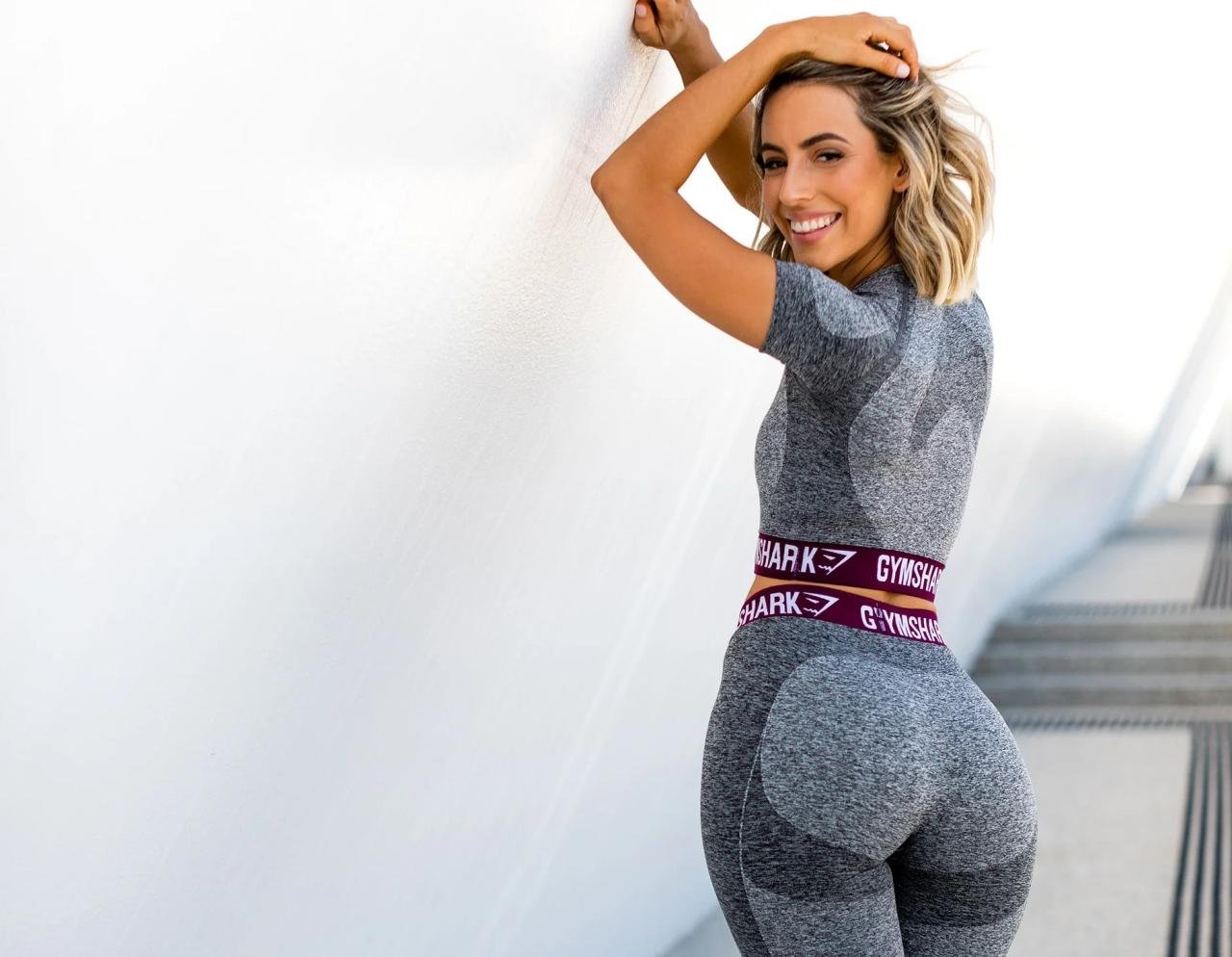
The world of fitness fashion is constantly evolving, reflecting changing trends in both the athletic and fashion realms. Women’s fitness apparel has become a dynamic category, driven by a confluence of factors including performance needs, style preferences, and the influence of social media.
This section will delve into the current trends shaping women’s fitness fashion, exploring the colors, patterns, and silhouettes that are defining the contemporary fitness landscape.
The Impact of Social Media and Celebrity Endorsements
Social media platforms and celebrity endorsements have played a significant role in shaping fitness apparel trends. Instagram, TikTok, and other platforms serve as visual showcases for the latest fitness fashion, allowing brands to reach a vast audience and influencers to curate their own personal styles.
Celebrity athletes and fitness enthusiasts often partner with brands, promoting specific apparel lines and influencing consumer preferences. For instance, the rise of athleisure wear, a blend of athletic and leisure clothing, has been significantly driven by celebrities adopting this style for both workouts and everyday wear.
The popularity of leggings, sports bras, and stylish hoodies has been further fueled by these endorsements, leading to a surge in demand for comfortable and fashionable fitness apparel.
The Impact of Sustainability on Women’s Fitness Apparel
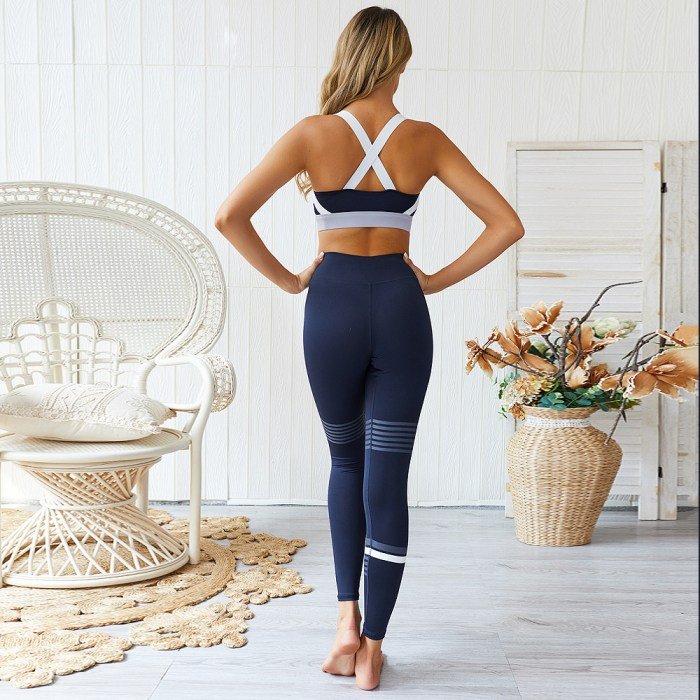
The fitness apparel industry is undergoing a significant shift, driven by a growing awareness of environmental concerns and a desire for ethical consumption. Consumers are increasingly demanding sustainable practices from brands, leading to a surge in eco-friendly materials, production methods, and ethical sourcing.
This trend is particularly evident in women’s fitness apparel, where style and functionality are often intertwined with a commitment to sustainability.
The Importance of Sustainable Practices in Fitness Apparel
Sustainable practices in the fitness apparel industry are essential for minimizing the environmental impact associated with clothing production. This includes reducing carbon emissions, conserving water resources, and minimizing waste generation. The use of sustainable materials, such as recycled polyester, organic cotton, and Tencel, plays a crucial role in reducing the industry’s environmental footprint.
Fitness women’s clothes are designed to be functional and stylish, allowing women to feel confident and empowered during their workouts. Many brands also offer a wide range of colors and designs to suit different tastes and preferences. And let’s not forget about the importance of looking and feeling your best even outside the gym, which is where thrive beauty products can play a role.
From skincare to makeup, thrive products can enhance your natural beauty and complement your active lifestyle. Ultimately, both fitness attire and beauty products can contribute to a positive self-image and a sense of well-being.
Additionally, ethical sourcing practices, fair labor standards, and responsible disposal methods are essential for ensuring the sustainability of the fitness apparel industry.
Examples of Sustainable Fitness Apparel Brands
Numerous brands are leading the charge in sustainable fitness apparel, demonstrating a commitment to eco-friendly materials and production methods. Some notable examples include:
- Patagonia:Known for its commitment to environmental activism, Patagonia uses recycled materials, organic cotton, and fair labor practices throughout its supply chain. They also offer a “Worn Wear” program, encouraging customers to repair and reuse their clothing.
- Prana:This brand focuses on sustainable practices, using organic cotton, recycled polyester, and other eco-friendly materials. They also prioritize ethical sourcing and fair labor practices.
- Beyond Yoga:This brand uses recycled materials, such as recycled plastic bottles, to create its high-performance leggings and other apparel. They also have a strong commitment to ethical manufacturing.
- Lululemon:While not exclusively sustainable, Lululemon has made strides in incorporating sustainable materials and practices into its production processes. They use recycled polyester, organic cotton, and Tencel in some of their products.
Benefits of Choosing Sustainable Fitness Clothing
Choosing sustainable fitness clothing offers numerous benefits, both for the environment and for personal health.
- Environmental Protection:Sustainable fitness clothing helps reduce the environmental impact of clothing production, minimizing pollution, conserving resources, and reducing waste.
- Healthier Products:Eco-friendly materials, such as organic cotton, are often free from harmful chemicals and pesticides, reducing the risk of skin irritation and allergies.
- Ethical Production:Sustainable brands prioritize fair labor practices, ensuring workers are treated fairly and paid a living wage.
- Durability and Longevity:Sustainable clothing is often made with high-quality materials that are designed to last longer, reducing the need for frequent replacements.
Women’s Fitness Apparel and Body Image
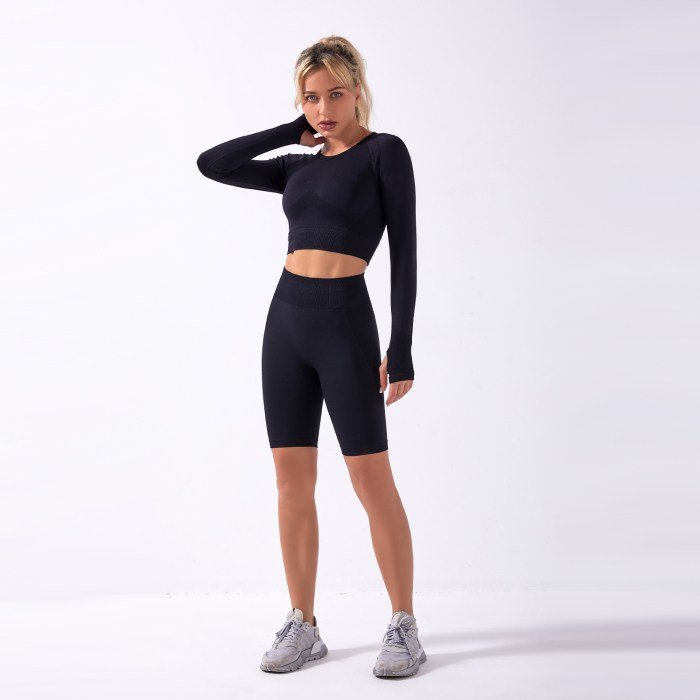
The relationship between women’s fitness apparel and body image is complex and multifaceted. While fitness clothing is designed to enhance performance and comfort, it also plays a significant role in shaping how women perceive their bodies and how they are perceived by others.
Finding the right fitness clothes can be a challenge, especially for women who want both style and functionality. It’s important to consider the type of workout you’ll be doing and the level of support you need. If you’re looking for a comprehensive healthcare provider, you can check out the ascension health log in portal.
Once you’ve got your healthcare sorted, you can focus on finding the perfect fitness apparel that empowers you to reach your goals.
The Impact of Media and Marketing
The media and marketing industries have a powerful influence on body image perceptions, often promoting unrealistic beauty standards through images and messages that emphasize thinness and a specific type of physique. Fitness apparel advertising often perpetuates these ideals by featuring models with highly toned and slender bodies, which can contribute to feelings of inadequacy and pressure to conform.
- For instance, a popular fitness apparel brand might showcase models with defined abs and sculpted arms, leading viewers to believe that these features are essential for achieving a “fit” look.
- This can create a disconnect between the reality of most women’s bodies and the idealized image portrayed in advertising, potentially fueling body dissatisfaction.
The Future of Women’s Fitness Apparel
The future of women’s fitness apparel is brimming with exciting possibilities, driven by technological advancements, evolving consumer preferences, and a growing emphasis on sustainability. This evolution promises to deliver clothing that is not only stylish and functional but also personalized, eco-conscious, and seamlessly integrated with our digital lives.
Emerging Technologies and Materials
The integration of emerging technologies and materials will play a pivotal role in shaping the future of fitness apparel.
- Smart Fabrics:Smart fabrics with embedded sensors can monitor vital signs, track performance, and even adjust temperature based on the wearer’s needs. For instance, fabrics with built-in sensors can measure heart rate, body temperature, and even sweat levels, providing real-time feedback to athletes and fitness enthusiasts.
Fitness women’s clothes are designed to be both functional and stylish, allowing women to feel confident and empowered during their workouts. While performance is key, there’s also a growing emphasis on fashion and aesthetics, especially in areas like the beauty of Essex, New York , where fitness is a lifestyle.
From sleek leggings to breathable tops, the right clothing can make a big difference in your workout routine and overall fitness journey.
This data can be integrated with fitness apps, allowing for personalized training plans and performance optimization.
- Biometric Integration:Biometric integration in fitness apparel will allow for a more personalized and effective workout experience. By incorporating sensors that monitor heart rate, respiration, and muscle activity, clothing can provide real-time feedback and adjust accordingly. This can include adjusting compression levels, providing personalized workout guidance, or even alerting the wearer to potential injuries.
- Sustainable Materials:The demand for sustainable materials is growing rapidly. Brands are exploring innovative options like recycled polyester, organic cotton, and innovative bio-based materials. These materials reduce environmental impact while maintaining performance and durability.
A Concept for a Future Fitness Apparel Collection
Imagine a fitness apparel collection that seamlessly blends functionality, style, and sustainability. This collection would incorporate smart fabrics with built-in sensors that monitor heart rate, body temperature, and movement, providing real-time feedback to the wearer through a connected app. The clothing would be made from recycled materials, such as recycled polyester and organic cotton, minimizing environmental impact.
The collection would feature a range of styles, from high-performance leggings and sports bras to stylish hoodies and jackets, catering to diverse preferences and fitness activities. The color palette would be inspired by nature, featuring earthy tones and vibrant hues.
- Personalized Performance:The collection would offer a personalized experience, allowing wearers to adjust the level of compression, ventilation, and support based on their individual needs. This could be achieved through adjustable straps, strategically placed panels, or even customizable smart fabric settings.
- Sustainable Style:The collection would be designed with a focus on sustainability, using recycled materials, eco-friendly dyes, and minimal packaging. This commitment to sustainability would be communicated through transparent labeling and ethical sourcing practices.
- Seamless Integration:The collection would seamlessly integrate with fitness apps and wearables, providing a comprehensive and personalized fitness experience. The app would allow wearers to track their progress, receive personalized workout plans, and even connect with other fitness enthusiasts.
Final Review
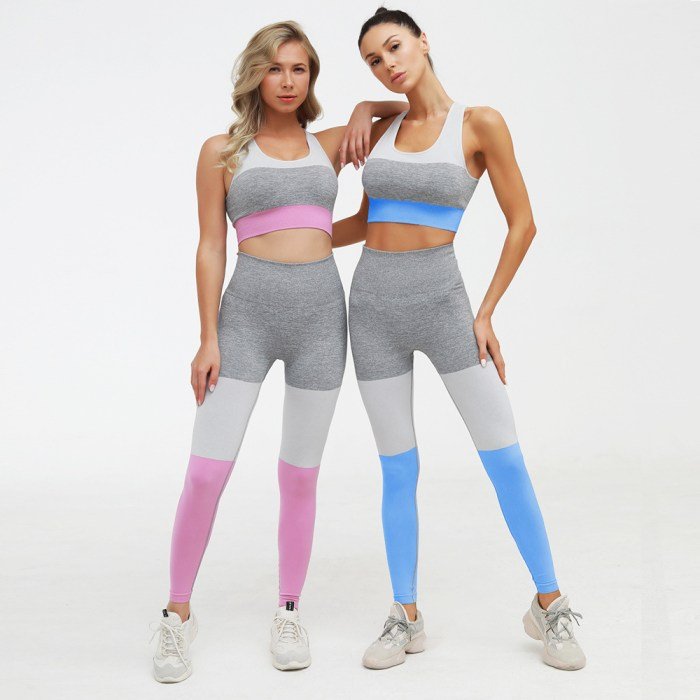
The world of fitness women clothes is constantly evolving, reflecting the changing needs and aspirations of women. As technology advances and sustainability becomes increasingly important, we can expect to see even more innovative and stylish designs that empower women to feel confident and comfortable in their own skin while pursuing their fitness goals.
The future of fitness apparel is bright, and it’s sure to be a fascinating journey to watch unfold.
Frequently Asked Questions
What are the best fabrics for fitness clothing?
Popular choices include breathable materials like polyester, nylon, and spandex, often with moisture-wicking properties to keep you dry and comfortable during workouts.
How do I choose the right size and fit for fitness clothes?
Opt for clothing that fits snugly but allows for freedom of movement. Consider the type of activity and the fit that will be most comfortable for you.
What are some sustainable brands of fitness apparel?
There are many brands committed to eco-friendly practices, using recycled materials, ethical production methods, and minimizing their environmental impact.