
Individualized health plans, a cornerstone of modern healthcare, offer a personalized path to optimal well-being. This approach recognizes that each individual has unique needs, goals, and circumstances, and tailors treatment strategies accordingly. By taking a holistic view of health, individualized plans address not only physical health but also mental, emotional, and social well-being.
Imagine a healthcare system that truly understands your unique health journey, a system that empowers you to take control of your health and achieve lasting well-being. This is the promise of individualized health plans.
What is an Individualized Health Plan?
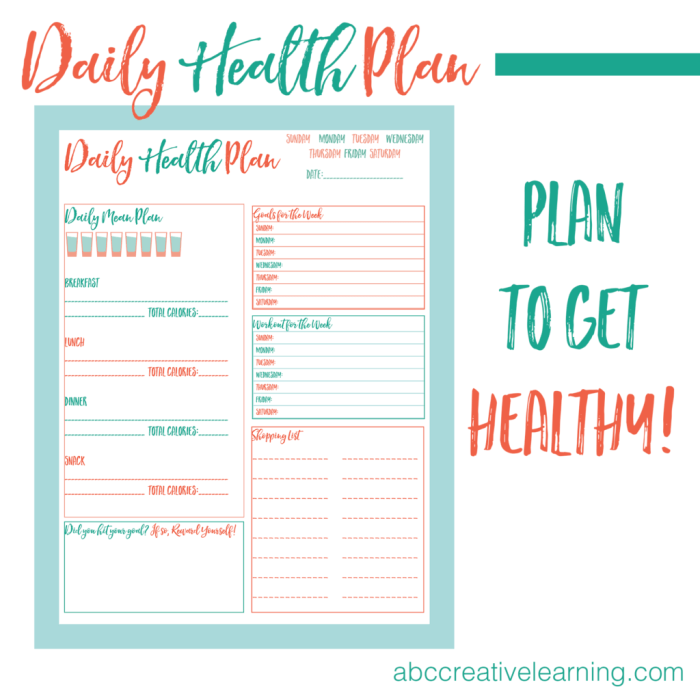
An individualized health plan, also known as a personalized health plan, is a comprehensive strategy designed to improve an individual’s health and well-being. It takes into account their unique circumstances, health goals, and preferences, creating a tailored approach to achieving optimal health outcomes.
Types of Individualized Health Plans
Individualized health plans can vary in scope and focus, depending on the individual’s needs and goals. Some common types include:
- Chronic Disease Management Plans:These plans are designed for individuals living with chronic conditions, such as diabetes, heart disease, or arthritis. They focus on managing symptoms, preventing complications, and improving quality of life. Examples include medication adherence plans, lifestyle modification programs, and regular check-ups with healthcare providers.
- Wellness Plans:These plans aim to promote overall health and well-being by encouraging healthy habits, such as regular exercise, a balanced diet, and stress management techniques. They may include fitness programs, nutrition counseling, and mindfulness workshops.
- Mental Health Plans:These plans address mental health concerns, such as anxiety, depression, or substance abuse. They often involve therapy, medication management, and support groups.
- Pregnancy and Postpartum Plans:These plans provide guidance and support for expectant mothers and new parents, covering prenatal care, childbirth preparation, and postpartum recovery. They may include prenatal vitamins, childbirth education classes, and lactation consultations.
Benefits of Individualized Health Plans
Creating and implementing an individualized health plan offers numerous benefits, including:
- Improved Health Outcomes:By addressing individual needs and goals, personalized plans can lead to better health outcomes, including lower risk of chronic diseases, improved symptom management, and increased life expectancy.
- Increased Patient Engagement:When individuals are actively involved in their health care, they are more likely to adhere to treatment plans, make healthy choices, and manage their conditions effectively. This can lead to better outcomes and reduced healthcare costs.
- Reduced Healthcare Costs:By preventing chronic diseases, managing existing conditions effectively, and promoting healthy behaviors, individualized health plans can contribute to lower healthcare costs in the long run.
- Enhanced Quality of Life:By focusing on individual needs and preferences, these plans can help people live healthier, happier, and more fulfilling lives.
Components of an Individualized Health Plan
An Individualized Health Plan (IHP) is a comprehensive document that Artikels an individual’s health goals, needs, and strategies for achieving optimal well-being. It’s a personalized roadmap that helps individuals take control of their health and make informed decisions about their care.
Assessment and Baseline Information
The first step in developing an IHP is gathering comprehensive information about the individual’s current health status. This includes a thorough assessment of their medical history, lifestyle factors, and current health concerns. This baseline information serves as the foundation for developing personalized goals and interventions.
- Medical History:This encompasses past and present medical conditions, surgeries, medications, and allergies. It helps identify potential risks and areas that require special attention.
- Lifestyle Factors:This includes information about diet, exercise habits, sleep patterns, stress levels, and social support. These factors significantly influence overall health and well-being.
- Current Health Concerns:This involves identifying any specific health issues the individual is currently facing, including symptoms, diagnoses, and treatment plans.
Health Goals and Objectives
Once the baseline information is gathered, the IHP focuses on setting clear and achievable health goals. These goals should be specific, measurable, attainable, relevant, and time-bound (SMART).
- Specific:Clearly define what you want to achieve, avoiding vague or general goals.
- Measurable:Establish ways to track progress towards your goals, using quantifiable metrics.
- Attainable:Set realistic goals that are within your reach, considering your current health status and resources.
- Relevant:Ensure your goals align with your overall health and well-being, reflecting your values and priorities.
- Time-bound:Set deadlines for achieving your goals, creating a sense of urgency and accountability.
Interventions and Strategies
Based on the assessment and established goals, the IHP Artikels specific interventions and strategies to help the individual achieve their health objectives. These interventions can include:
- Lifestyle Modifications:Changes in diet, exercise, sleep habits, stress management techniques, and other lifestyle factors that promote health.
- Medical Treatments:Prescription medications, therapies, surgeries, or other medical interventions recommended by healthcare professionals.
- Supportive Services:Access to resources like counseling, support groups, community programs, or home health services.
- Monitoring and Evaluation:Regular check-ups, lab tests, or other methods to track progress and make adjustments to the plan as needed.
Communication and Collaboration
Effective communication and collaboration are crucial for the success of an IHP. This involves open dialogue between the individual, their healthcare providers, and other relevant professionals.
- Open Communication:Regular communication ensures that all parties involved are informed about the individual’s progress, any challenges they face, and necessary adjustments to the plan.
- Shared Decision-Making:The individual should actively participate in the decision-making process, expressing their preferences and concerns.
- Team Approach:A multidisciplinary team of healthcare professionals, including doctors, nurses, therapists, and other specialists, may be involved in developing and implementing the IHP.
Review and Revision
An IHP is not a static document; it should be regularly reviewed and revised as needed.
- Regular Reviews:Schedule periodic reviews to assess progress, make adjustments to goals, and update interventions based on new information or changes in the individual’s health status.
- Flexibility and Adaptability:The IHP should be flexible enough to accommodate changes in the individual’s circumstances, health needs, and preferences.
Developing an Individualized Health Plan
Creating an individualized health plan is a collaborative process that involves careful planning and ongoing adjustments. It requires open communication between healthcare professionals and individuals to ensure that the plan effectively addresses unique health needs and goals.
Steps Involved in Developing an Individualized Health Plan
Developing an individualized health plan involves a series of steps designed to ensure the plan is tailored to the individual’s specific needs.
- Assessment:The first step involves a comprehensive assessment of the individual’s health status. This includes reviewing medical history, current medications, lifestyle factors, and any existing health conditions. This provides a baseline understanding of the individual’s health profile.
- Goal Setting:Once the assessment is complete, the next step involves setting specific, measurable, achievable, relevant, and time-bound (SMART) goals. These goals should align with the individual’s overall health objectives and address any identified health concerns.
- Plan Development:Based on the assessment and goals, the healthcare professional develops a personalized plan that Artikels specific interventions and strategies. This may include recommendations for lifestyle changes, medication adjustments, therapies, or other relevant interventions.
- Implementation:The plan is then implemented, with the individual actively participating in the process. This involves following the recommended interventions, monitoring progress, and making adjustments as needed.
- Evaluation and Adjustment:Regular evaluations are essential to assess the effectiveness of the plan. This involves monitoring progress toward goals, addressing any challenges, and making necessary adjustments to ensure the plan remains effective.
Importance of Collaboration
Collaboration between healthcare professionals and individuals is crucial for developing and implementing an effective individualized health plan.
- Shared Decision-Making:Collaboration promotes shared decision-making, where both the individual and healthcare professional actively participate in determining the best course of action.
- Personalized Care:Collaboration ensures that the plan is tailored to the individual’s unique needs, preferences, and circumstances.
- Increased Adherence:Individuals are more likely to adhere to a plan they have helped develop and feel invested in.
- Improved Outcomes:Collaboration leads to improved communication, better understanding, and ultimately, better health outcomes.
Essential Considerations
Developing an effective individualized health plan requires careful consideration of several essential factors.
- Individual Preferences:The plan should align with the individual’s preferences, values, and lifestyle.
- Cultural Factors:Cultural factors, beliefs, and practices should be considered to ensure the plan is culturally sensitive and appropriate.
- Social Determinants of Health:The plan should address the impact of social determinants of health, such as socioeconomic status, education, and access to healthcare.
- Resources and Support:The plan should consider the individual’s access to resources and support systems, such as family, friends, and community organizations.
- Long-Term Sustainability:The plan should be designed for long-term sustainability, ensuring it can be maintained over time.
Implementing an Individualized Health Plan

Putting your individualized health plan into action is the key to achieving your health goals. This section explores effective strategies for implementation and emphasizes the importance of ongoing monitoring and adjustments.
Implementation Strategies
Implementing an individualized health plan involves taking concrete steps to put your plan into action. Here are some effective strategies:
- Set Realistic Goals:Start with small, achievable goals that build momentum. Avoid overwhelming yourself with too many changes at once.
- Break Down Large Goals:Divide complex goals into smaller, manageable steps. This makes the process feel less daunting and provides opportunities for celebrating milestones.
- Prioritize Your Goals:Identify the most important aspects of your plan and focus on them first. This helps you stay motivated and achieve the greatest impact.
- Create a Schedule:Schedule time for your health activities, such as exercise, healthy meal preparation, or doctor appointments. Treat these appointments as important commitments.
- Track Your Progress:Regularly monitor your progress and celebrate your achievements. This helps you stay motivated and identify areas for improvement.
- Seek Support:Surround yourself with a supportive network of friends, family, or healthcare professionals who can encourage and assist you along the way.
Implementation Approaches
Different implementation approaches may be suitable for various individuals. The table below Artikels some common approaches and their suitability:
| Implementation Approach | Suitability |
|---|---|
| Self-Directed: Individuals take full responsibility for planning and implementing their health plan. | Suitable for highly motivated individuals with strong self-management skills. |
| Guided: Individuals receive support and guidance from a healthcare professional or coach. | Suitable for individuals who benefit from external support and accountability. |
| Collaborative: Individuals work with a team of healthcare professionals to develop and implement their plan. | Suitable for individuals with complex health conditions or those who require specialized care. |
Ongoing Monitoring and Adjustments, Individualized health plan
An individualized health plan is not a static document. It’s important to regularly monitor your progress and make adjustments as needed. This ensures your plan remains relevant and effective.
- Review Your Plan Regularly:Schedule time to review your plan at least every few months. This allows you to assess your progress and identify areas for improvement.
- Track Your Progress:Keep track of your health metrics, such as weight, blood pressure, or activity levels. This helps you identify trends and patterns in your health.
- Adjust Your Goals:As you progress, you may need to adjust your goals to reflect your changing needs and circumstances. Don’t be afraid to modify your plan as needed.
- Seek Professional Advice:Consult with your healthcare professional if you experience any significant changes in your health or if you need help making adjustments to your plan.
Benefits of Individualized Health Plans

Individualized health plans offer a tailored approach to healthcare, prioritizing the unique needs and preferences of each individual. This personalized approach can lead to several benefits, enhancing both the quality and effectiveness of healthcare delivery.
Improved Health Outcomes
Implementing individualized health plans can significantly contribute to improved health outcomes for individuals. By focusing on specific needs and risk factors, these plans empower individuals to take an active role in their health journey, leading to better disease management and overall well-being.
An individualized health plan is a personalized approach to managing your well-being, taking into account your unique needs and circumstances. The Clinton Health Access Initiative is an example of a program that promotes access to healthcare and addresses the specific challenges faced by individuals in different communities.
By understanding the various factors that influence health outcomes, we can create more effective and personalized plans that empower individuals to take control of their health.
- Increased Adherence to Treatment:Individualized plans can address individual preferences and challenges, promoting adherence to treatment plans. For instance, a patient with diabetes might benefit from a plan that incorporates their preferred meal times and dietary restrictions, making it easier for them to follow their insulin regimen.
- Early Detection and Prevention:Individualized plans can identify potential health risks early on, enabling proactive interventions and preventive measures. For example, a plan tailored for a family history of heart disease might include regular screenings and lifestyle modifications to mitigate risk factors.
- Enhanced Patient Engagement:Individualized health plans encourage active participation in healthcare decisions, fostering a sense of ownership and responsibility for health. This increased engagement can lead to improved self-management skills and a stronger patient-provider relationship.
Cost-Effectiveness
Individualized health plans can contribute to cost-effectiveness in healthcare by optimizing resource allocation and reducing unnecessary healthcare utilization.
- Reduced Hospitalizations:By addressing individual needs and risk factors, individualized plans can help prevent complications and reduce the need for hospitalizations. For example, a plan for an individual with asthma might include strategies to manage triggers and minimize the risk of severe attacks, thereby reducing hospital visits.
- Efficient Resource Utilization:Tailoring healthcare interventions to individual needs can minimize the use of unnecessary tests, procedures, and medications, leading to more efficient resource allocation. For instance, a plan for an individual with a specific genetic predisposition might include targeted screenings and preventive measures, reducing the need for broader, less-effective interventions.
Improved Patient Satisfaction
Individualized health plans prioritize the patient experience, leading to greater satisfaction with healthcare services.
- Personalized Care:By taking into account individual preferences, goals, and values, individualized plans provide a more personalized and patient-centered approach to care. This can lead to increased trust and satisfaction with healthcare providers.
- Increased Empowerment:Individualized plans empower individuals to take control of their health, fostering a sense of agency and self-efficacy. This can enhance patient satisfaction and improve overall well-being.
Real-World Examples
- Diabetes Management:Studies have shown that individualized diabetes management plans, incorporating patient preferences and lifestyle factors, lead to improved blood sugar control and reduced complications compared to traditional approaches.
- Chronic Pain Management:Individualized pain management plans, incorporating a combination of therapies tailored to individual needs and preferences, have been shown to improve pain control and reduce reliance on opioids.
- Mental Health Treatment:Individualized mental health treatment plans, incorporating evidence-based therapies and personalized support strategies, have demonstrated improved outcomes for patients with anxiety, depression, and other mental health conditions.
Challenges and Considerations
Developing and implementing individualized health plans (IHPs) can present various challenges. These challenges stem from the complexity of individual needs, the need for collaborative efforts, and the ongoing evolution of healthcare practices.
An individualized health plan is a personalized roadmap for achieving optimal well-being. It takes into account your unique needs, goals, and lifestyle, helping you make informed decisions about your health. A key aspect of this plan is understanding the connection between physical health and beauty , recognizing that inner health radiates outwards.
By focusing on both, you can create a balanced approach to overall well-being, leading to a happier, healthier you.
Addressing Challenges in Developing and Implementing Individualized Health Plans
Understanding and addressing these challenges is crucial for the successful adoption and implementation of IHPs.
- Time Constraints: Developing IHPs requires significant time investment from healthcare providers, individuals, and support staff. The process involves detailed assessments, collaborative planning, and ongoing monitoring, which can be challenging to accommodate within existing healthcare workflows.
- Resource Limitations: Implementing IHPs necessitates access to adequate resources, including trained personnel, technology, and financial support. The availability of these resources can vary significantly across different healthcare settings and communities.
- Lack of Standardization: The absence of standardized guidelines and protocols for developing and implementing IHPs can lead to inconsistencies in approach and outcomes. This can make it difficult to compare and evaluate the effectiveness of different IHP models.
- Data Integration and Privacy Concerns: IHPs rely on the collection and integration of various data points from different sources, including medical records, patient preferences, and lifestyle information. Ensuring data security and privacy while facilitating seamless data sharing is crucial.
- Patient Engagement: Active patient engagement is essential for the success of IHPs. However, motivating individuals to actively participate in their healthcare planning and decision-making can be challenging, particularly for those with limited health literacy or access to technology.
Strategies for Overcoming Barriers to Individualized Health Plan Adoption
Addressing these challenges requires a multifaceted approach that involves collaboration, innovation, and a commitment to patient-centered care.
- Streamlining Processes: Implementing standardized templates, using electronic health record systems, and incorporating technology-assisted tools can help streamline the development and implementation process, saving time and resources.
- Leveraging Existing Resources: Utilizing existing resources, such as community health centers, telehealth platforms, and patient navigators, can extend the reach of IHPs and enhance accessibility for underserved populations.
- Promoting Collaboration: Fostering collaboration among healthcare providers, patients, and support staff can create a more cohesive and effective approach to IHP development and implementation.
- Investing in Training and Education: Providing training and education to healthcare professionals and patients on the principles and benefits of IHPs can enhance understanding and promote adoption.
- Utilizing Data Analytics: Leveraging data analytics tools can help identify patterns, trends, and areas for improvement in IHP implementation. This data-driven approach can inform decision-making and optimize outcomes.
Future Directions and Trends

The field of personalized healthcare is rapidly evolving, driven by technological advancements and a growing understanding of individual health variations. These developments have significant implications for individualized health plans, paving the way for more effective, tailored, and proactive healthcare approaches.
Emerging Trends in Personalized Healthcare
The integration of personalized healthcare trends into individualized health plans holds the potential to revolutionize healthcare delivery.
- Precision Medicine:Precision medicine focuses on tailoring treatments based on an individual’s genetic makeup, lifestyle, and environmental factors. This approach enables healthcare providers to predict disease risk, personalize treatment options, and monitor treatment effectiveness with greater accuracy.
- Wearable Technology:Wearable devices like smartwatches and fitness trackers collect real-time data on an individual’s health metrics, such as heart rate, sleep patterns, and activity levels. This continuous data stream allows for personalized health monitoring, early detection of health issues, and improved self-management of chronic conditions.
An individualized health plan is a personalized roadmap for managing your well-being. It often involves considering various aspects of your life, including your home environment. If you require additional support, exploring home & health care services can be a valuable step in creating a holistic plan.
By integrating these services, you can ensure your individualized health plan addresses both your physical and home-related needs, promoting a healthier and more comfortable life.
- Artificial Intelligence (AI):AI algorithms can analyze vast amounts of health data to identify patterns, predict disease risk, and personalize treatment recommendations. AI-powered tools can also assist in developing individualized health plans, identifying potential health risks, and providing personalized health coaching.
Future Directions for Research and Development
Research and development efforts in personalized healthcare continue to advance, focusing on areas that can further enhance individualized health plans.
- Genomics and Epigenomics:Research is exploring the role of genetics and epigenetics in disease development and response to treatment. This knowledge can be used to develop more personalized health plans, tailored to an individual’s genetic predisposition and lifestyle factors.
- Data Integration and Interoperability:Integrating data from various sources, including electronic health records, wearable devices, and genomic data, is crucial for developing comprehensive individualized health plans. Research focuses on developing secure and interoperable data platforms to facilitate seamless data sharing and analysis.
- Patient Engagement and Empowerment:Empowering patients to actively participate in their health management is essential for successful individualized health plan implementation. Research aims to develop patient-centered tools and technologies that enhance patient engagement, improve health literacy, and promote self-management of health conditions.
Leveraging Technology to Enhance Individualized Health Plan Development and Implementation
Technology plays a pivotal role in enhancing individualized health plan development and implementation.
- Digital Health Platforms:Digital health platforms provide a centralized hub for managing individualized health plans, facilitating communication between patients and healthcare providers, and providing personalized health information and resources.
- Mobile Health Applications:Mobile health applications can be used to track health metrics, schedule appointments, access health information, and communicate with healthcare providers. These applications can also be used to deliver personalized health coaching and support.
- Remote Patient Monitoring:Remote patient monitoring technologies allow healthcare providers to track patient health metrics remotely, enabling early detection of health issues and timely intervention. This technology is particularly beneficial for managing chronic conditions and improving patient outcomes.
Last Recap

In a world where one-size-fits-all solutions often fall short, individualized health plans offer a beacon of hope. By prioritizing individual needs and empowering individuals to actively participate in their healthcare journey, these plans pave the way for a future where healthcare is truly personalized and effective.
FAQ
What are the key benefits of individualized health plans?
Individualized health plans offer several benefits, including improved health outcomes, increased patient satisfaction, reduced healthcare costs, and greater patient empowerment.
How can I find a healthcare provider who offers individualized health plans?
Many healthcare providers are embracing individualized care. You can ask your current provider about their approach to personalized healthcare or search online for providers who specialize in individualized health plans.
What are some examples of individualized health plans?
Examples include plans for managing chronic conditions like diabetes or heart disease, plans for weight management, and plans for improving mental health.