
Parkland Health Emergency Room stands as a vital lifeline for the Dallas-Fort Worth area, a beacon of hope for those facing medical emergencies. This renowned facility, a cornerstone of the Parkland Health System, plays a critical role in providing comprehensive and compassionate care to a diverse population.
From its state-of-the-art facilities and highly skilled medical professionals to its unwavering commitment to patient well-being, Parkland Health Emergency Room sets the standard for excellence in emergency medicine. This article delves into the multifaceted operations, services, and impact of this essential healthcare institution, exploring its significance within the Dallas-Fort Worth community.
Parkland Health Emergency Room
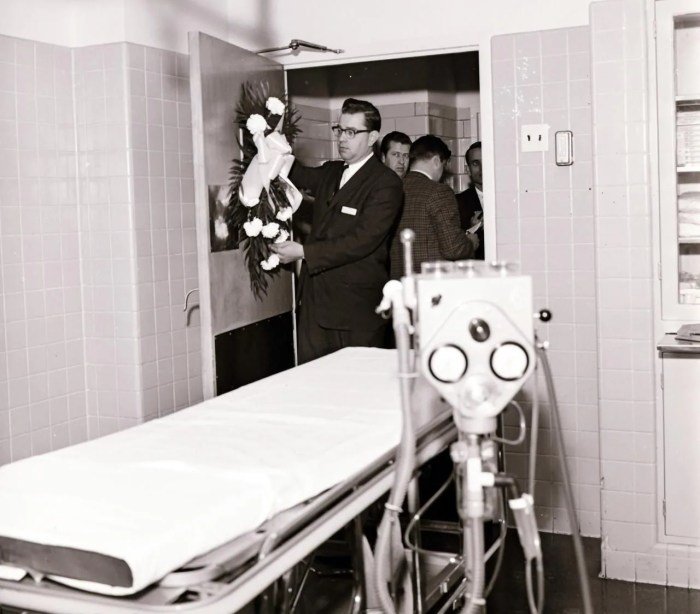
Parkland Health & Hospital System is a public, non-profit academic medical center located in Dallas, Texas. It serves as the primary safety-net hospital for the Dallas-Fort Worth Metroplex, providing comprehensive healthcare services to a diverse population, including those who are uninsured or underinsured.
The Parkland Health Emergency Room is a vital component of the Parkland Health System, serving as the primary point of entry for emergency medical care for a significant portion of the Dallas-Fort Worth population.
Services Offered
The Parkland Health Emergency Room provides a wide range of emergency medical services, including:
- Trauma care
- Cardiac care
- Stroke care
- Pediatric care
- Psychiatric care
- Burn care
- General medical and surgical care
The ER is staffed by a team of highly skilled and experienced physicians, nurses, and other healthcare professionals who are dedicated to providing high-quality, compassionate care to all patients.
Parkland Health’s emergency room is known for its comprehensive care, but it’s also important to remember that preventative care is key. For women’s health concerns, consider visiting a dedicated women’s health center for regular checkups and screenings. This proactive approach can help avoid potential emergencies and ensure your overall well-being, which is something Parkland Health also emphasizes in its commitment to the community.
Patient Volume and Accessibility
The Parkland Health Emergency Room is one of the busiest in the United States, treating over 150,000 patients annually. It is open 24 hours a day, 7 days a week, and provides care to patients of all ages and socioeconomic backgrounds.
The ER is accessible to all patients, regardless of their ability to pay. Parkland offers a variety of financial assistance programs to help patients afford their care.
Emergency Room Operations and Services: Parkland Health Emergency Room
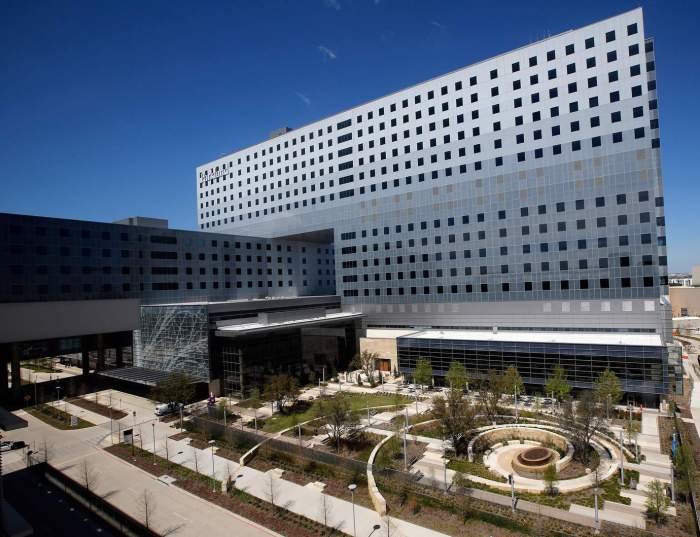
The Parkland Health Emergency Room (ER) is a vital part of the healthcare system, providing immediate and comprehensive care to patients experiencing medical emergencies. It operates 24/7, ensuring that individuals receive prompt medical attention regardless of the time of day or night.
The ER’s efficient operations are based on a well-defined triage system and a dedicated team of medical professionals who work collaboratively to deliver high-quality care.
Triage Process and Patient Prioritization
The triage process is the initial assessment of patients upon arrival at the ER. This process helps to quickly identify patients who require immediate medical attention and ensures that resources are allocated effectively. Registered nurses (RNs) conduct the triage process, using a standardized system to evaluate the severity of each patient’s condition.
This system, often based on the American College of Emergency Physicians (ACEP) triage guidelines, considers factors such as vital signs, chief complaint, and overall clinical presentation. Patients are categorized into five levels of urgency, with Level 1 being the most critical and requiring immediate attention.
This prioritization ensures that patients with life-threatening conditions receive prompt care while others are treated according to the severity of their condition.
Range of Medical Services
The Parkland Health ER provides a wide range of medical services to address various emergencies. These services include:
- Trauma Care:The ER is equipped to handle a variety of trauma cases, including motor vehicle accidents, falls, and stabbings. Specialized trauma teams, including surgeons, nurses, and other medical professionals, work together to provide immediate and comprehensive care to trauma patients.
- Critical Care:The ER has dedicated critical care units for patients requiring intensive monitoring and treatment. These units are staffed by experienced nurses and physicians who provide round-the-clock care, including respiratory support, cardiovascular monitoring, and other life-saving interventions.
- Specialized Treatments:The ER offers a range of specialized treatments, such as cardiac care, stroke care, and pediatric care. These services are provided by specialists trained in their respective areas, ensuring that patients receive the most appropriate care for their specific needs.
Parkland Health Emergency Room is a vital resource for the community, providing immediate care for critical situations. However, for those seeking preventative healthcare and wellness services, in good health inc offers a comprehensive range of programs designed to promote overall well-being.
By prioritizing preventative measures, individuals can reduce their risk of needing emergency room care in the future, ultimately contributing to a healthier community.
Role of Medical Professionals
The ER’s operations rely on a multidisciplinary team of medical professionals who work collaboratively to provide excellent patient care. These professionals include:
- Emergency Physicians:Emergency physicians are board-certified physicians specializing in the diagnosis and treatment of acute medical conditions. They lead the medical team, providing expert clinical judgment and directing patient care.
- Nurses:Registered nurses (RNs) play a vital role in the ER, providing direct patient care, administering medications, and monitoring vital signs. They work closely with physicians to ensure the smooth flow of patient care.
- Support Staff:The ER also relies on a dedicated team of support staff, including medical assistants, technicians, and administrative personnel. These individuals contribute to the efficient operations of the ER, providing essential services such as patient registration, specimen collection, and transportation.
Patient Experience and Patient Flow

Parkland Health Emergency Room prioritizes providing a compassionate and efficient experience for all patients. Our team is dedicated to ensuring that patients receive the necessary medical care in a timely and comfortable manner. This section delves into the patient experience at Parkland Health Emergency Room, covering procedures for registration, treatment, and discharge, as well as challenges and opportunities for optimizing patient flow and reducing wait times.
Patient Registration
Upon arrival at the Emergency Room, patients are greeted by a registration team who will gather essential information, including insurance details, medical history, and emergency contact information. This process is designed to be swift and efficient, ensuring a smooth transition to the next stage of care.
Treatment and Care
Following registration, patients are assessed by a triage nurse who determines the urgency of their condition and assigns them a priority level. This ensures that patients with critical conditions receive immediate attention. Once assessed, patients are directed to the appropriate treatment area, where they will be seen by a physician or other healthcare professional.
Discharge Procedures
After receiving treatment, patients are provided with discharge instructions, including medication information, follow-up appointments, and home care guidelines. This comprehensive approach aims to facilitate a smooth transition back to their homes and ensure they have the necessary resources for continued recovery.
Optimizing Patient Flow and Reducing Wait Times
Parkland Health Emergency Room continuously seeks ways to improve patient flow and minimize wait times. This involves implementing strategies such as:
- Utilizing technology to streamline registration and patient tracking.
- Implementing a robust triage system to prioritize patients based on the severity of their condition.
- Optimizing staffing levels to ensure adequate coverage during peak hours.
- Collaborating with community partners to provide alternative care options for patients with non-emergency conditions.
Addressing Challenges
While Parkland Health Emergency Room strives to provide exceptional patient care, challenges can arise, particularly during peak hours when the Emergency Room experiences high patient volume. These challenges include:
- Limited bed availability, which can lead to longer wait times for patients.
- Fluctuations in patient volume, making it difficult to predict staffing needs.
- The complexity of some cases, requiring specialized care that may not be immediately available.
Technology and Innovation
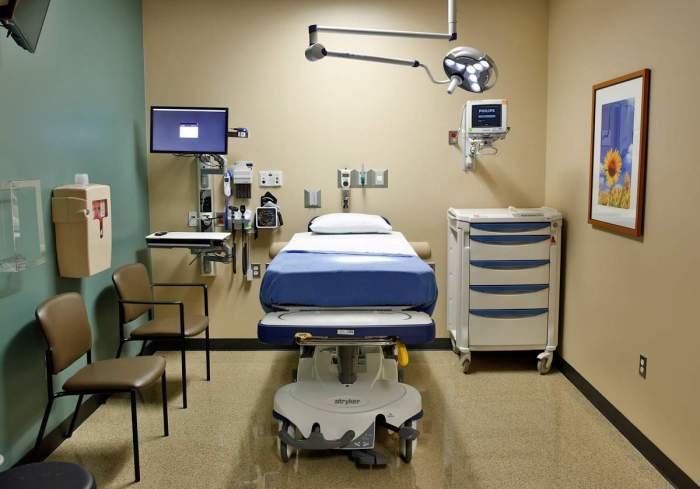
Parkland Health, a leading healthcare provider, recognizes the vital role technology plays in delivering exceptional patient care. The emergency room has embraced innovative solutions to enhance efficiency, improve patient outcomes, and provide a more seamless experience.
Electronic Health Records (EHRs)
Electronic health records (EHRs) have become the cornerstone of modern healthcare, enabling efficient and secure management of patient information. Parkland Health’s EHR system provides a comprehensive view of each patient’s medical history, including past diagnoses, medications, allergies, and lab results.
This centralized system streamlines communication among healthcare providers, ensuring that critical information is readily available at the point of care.
- Improved Communication and Collaboration:EHRs facilitate seamless communication between physicians, nurses, and other healthcare professionals, ensuring everyone has access to the latest patient information. This enhances collaboration and reduces the risk of medical errors.
- Enhanced Patient Safety:EHRs incorporate alerts and reminders to prompt healthcare providers about potential drug interactions, allergies, or other safety concerns. This proactive approach helps minimize the risk of adverse events.
- Streamlined Workflow:EHRs automate many administrative tasks, such as ordering tests, scheduling appointments, and generating reports. This frees up healthcare professionals to focus on providing direct patient care.
Telemedicine, Parkland health emergency room
Telemedicine has emerged as a transformative technology, bridging geographical barriers and providing access to specialized care. Parkland Health’s emergency room leverages telemedicine to connect patients with specialists, ensuring timely and expert consultation, even for complex medical situations.
- Expanded Access to Specialists:Telemedicine allows patients to consult with specialists who may not be physically present at the ER. This expands access to expertise and ensures timely diagnosis and treatment.
- Reduced Wait Times:Telemedicine consultations can be conducted remotely, reducing the need for patients to wait for in-person appointments. This streamlines the care process and enhances patient satisfaction.
- Improved Patient Outcomes:By connecting patients with specialists, telemedicine ensures that they receive appropriate and timely care, leading to better outcomes and reduced complications.
Other Digital Tools
Parkland Health’s ER employs a range of digital tools to optimize patient care and enhance efficiency.
- Patient Portals:Patients can access their medical records, schedule appointments, and communicate with their healthcare providers through secure online portals. This empowers patients to actively participate in their care.
- Remote Monitoring Devices:Patients with chronic conditions can use wearable devices or remote monitoring systems to transmit vital signs and other health data to healthcare providers. This allows for early detection of potential problems and proactive intervention.
- Artificial Intelligence (AI):AI-powered tools are being used to analyze large datasets, identify patterns, and predict patient outcomes. This helps healthcare providers make more informed decisions and personalize treatment plans.
Community Impact and Outreach
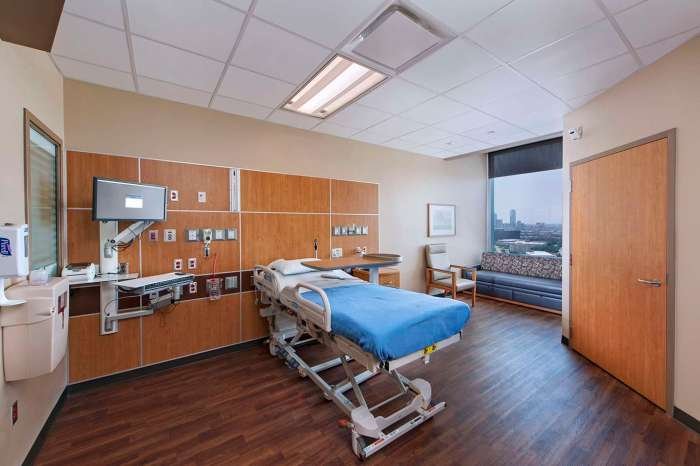
Parkland Health Emergency Room plays a vital role in serving the diverse community of Dallas, Texas. As a Level 1 Trauma Center, it is equipped to handle a wide range of emergencies, from life-threatening injuries to minor illnesses. The ER’s commitment to serving the community extends beyond providing immediate medical care; it actively engages in outreach programs and initiatives aimed at improving health outcomes and addressing community needs.
Community Partnerships and Collaboration
The ER recognizes the importance of collaborating with other organizations and agencies to provide comprehensive care to the community. It works closely with various community partners, including:
- Dallas County Health and Human Services: Collaborates on public health initiatives, such as disease prevention and health education programs.
- The City of Dallas: Participates in community events and outreach programs to promote health awareness and access to care.
- Local Schools and Community Centers: Conducts health screenings and educational workshops to address health concerns specific to the community.
- Non-profit Organizations: Partners with organizations focused on serving vulnerable populations, such as the homeless and underserved.
These partnerships allow the ER to leverage resources and expertise to reach a wider audience and address a broader range of community needs. For example, the ER collaborates with Dallas County Health and Human Services to provide free flu shots and other vaccinations to underserved communities.
Outreach Programs and Initiatives
The ER has implemented various outreach programs and initiatives to improve health outcomes and address community needs, including:
- Community Health Fairs: Hosts health fairs in underserved communities to provide health screenings, educational materials, and access to healthcare resources.
- Trauma Prevention Programs: Conducts educational programs in schools and community centers to raise awareness about trauma prevention and safety measures.
- Stroke Awareness Campaigns: Organizes campaigns to educate the community about the signs and symptoms of stroke and the importance of seeking immediate medical attention.
- Domestic Violence Prevention Programs: Partners with local organizations to provide resources and support to victims of domestic violence.
These programs aim to empower individuals and families to make informed decisions about their health and well-being. For example, the ER’s trauma prevention programs have helped to reduce the incidence of unintentional injuries in children.
Patient Education and Empowerment
The ER recognizes the importance of patient education in promoting health and preventing future emergencies. It provides patients with information about their condition, treatment options, and follow-up care. The ER also offers educational resources on various health topics, such as:
- Chronic Disease Management: Provides information and support for patients with chronic conditions, such as diabetes and heart disease.
- Medication Safety: Educates patients about the proper use and storage of medications.
- Healthy Lifestyle Choices: Promotes healthy eating habits, regular exercise, and other lifestyle choices that can improve overall health.
By empowering patients with knowledge and resources, the ER aims to improve patient outcomes and reduce the likelihood of future emergencies.
Challenges and Future Directions
The Parkland Health Emergency Room, like many other emergency departments across the country, faces a complex set of challenges in an ever-evolving healthcare landscape. These challenges stem from factors such as increasing patient volume, resource constraints, and the evolving nature of healthcare delivery.
The Evolving Healthcare Landscape
The healthcare landscape is undergoing a rapid transformation, driven by factors such as an aging population, rising healthcare costs, and technological advancements. This evolution presents both opportunities and challenges for emergency medicine.
Parkland Health Emergency Room is a vital resource for the community, offering critical care to those in need. Sometimes, however, the best medicine is prevention, and that’s where a healthy lifestyle comes in. If you’re looking to get started on your fitness journey, consider taking advantage of a planet fitness free day pass to try out their facilities.
A strong body can help you stay healthy and avoid needing the emergency room in the first place.
- Rising Healthcare Costs:The increasing cost of healthcare services, including emergency room visits, is a significant challenge for both patients and healthcare providers. This has led to a growing demand for cost-effective and efficient healthcare solutions.
- Aging Population:As the population ages, the demand for emergency medical services is expected to increase. This is due to the higher prevalence of chronic diseases and age-related health issues among older adults.
- Technological Advancements:Technological advancements, such as telehealth and remote patient monitoring, are transforming how healthcare is delivered. These technologies offer the potential to improve access to care, reduce costs, and enhance patient outcomes. However, their implementation also presents challenges related to data security, interoperability, and workforce training.
Impact on Emergency Medicine
The evolving healthcare landscape has a significant impact on emergency medicine.
- Increased Patient Volume:Emergency departments are often the first point of contact for patients with urgent medical needs. As the population ages and healthcare costs rise, the demand for emergency services is expected to continue to increase. This puts a strain on emergency department resources and can lead to longer wait times for patients.
- Shifting Patient Needs:The growing prevalence of chronic diseases and the increasing use of telehealth are shifting the types of patients seen in emergency departments. Emergency departments are increasingly treating patients with complex medical needs, which requires specialized expertise and resources.
- Focus on Efficiency and Cost-Effectiveness:The need to control healthcare costs has led to a focus on efficiency and cost-effectiveness in emergency medicine. This has resulted in efforts to streamline processes, improve patient flow, and reduce unnecessary admissions.
Potential Solutions and Future Directions
To address the challenges and capitalize on the opportunities presented by the evolving healthcare landscape, the Parkland Health Emergency Room can consider a range of potential solutions and future directions.
- Investing in Technology:Investing in technology, such as telehealth, remote patient monitoring, and electronic health records, can improve patient care, enhance efficiency, and reduce costs.
- Streamlining Processes:Implementing process improvements, such as patient flow optimization and standardized protocols, can reduce wait times, improve patient satisfaction, and enhance efficiency.
- Expanding Access to Care:Expanding access to care through initiatives such as community outreach programs and mobile clinics can help address health disparities and improve the overall health of the community.
- Developing Partnerships:Collaborating with other healthcare providers, community organizations, and government agencies can help address complex health issues and improve the coordination of care.
Wrap-Up
Parkland Health Emergency Room, with its unwavering dedication to patient care and community outreach, stands as a testament to the transformative power of healthcare. Its commitment to innovation, technology, and patient-centered care ensures a brighter future for emergency medicine, not only in Dallas-Fort Worth but also across the nation.
Questions Often Asked
What is the average wait time at Parkland Health Emergency Room?
Wait times can vary depending on the severity of the situation and the number of patients currently being treated. However, Parkland prioritizes patient care and strives to provide timely treatment.
Does Parkland Health Emergency Room accept all insurance plans?
Parkland Health Emergency Room accepts a wide range of insurance plans. It’s recommended to contact the facility directly to verify your specific plan coverage.
What should I bring with me to the Parkland Health Emergency Room?
It’s advisable to bring your insurance card, a form of identification, and a list of any medications you are currently taking.