
United health care advantage medicare – UnitedHealthcare Medicare Advantage stands as a prominent choice for individuals seeking comprehensive health insurance under the Medicare program. These plans, offered by a leading healthcare provider, offer a blend of traditional Medicare benefits with additional coverage options and cost-saving features.
This guide delves into the intricacies of UnitedHealthcare Medicare Advantage, providing a clear understanding of its workings, benefits, and considerations.
Navigating the complexities of healthcare can be daunting, but UnitedHealthcare Medicare Advantage aims to simplify the process by offering a tailored approach to coverage. From understanding eligibility and enrollment procedures to exploring the various plan options and their associated costs, this guide equips you with the knowledge necessary to make informed decisions about your healthcare needs.
Understanding UnitedHealthcare Medicare Advantage

Medicare Advantage is a type of health insurance plan offered by private companies that provides coverage to individuals who are eligible for Original Medicare. These plans, also known as Medicare Part C, are designed to offer a comprehensive package of benefits and services, often including prescription drug coverage, dental, vision, and hearing benefits, in addition to the core coverage provided by Original Medicare.
Key Features and Benefits of UnitedHealthcare Medicare Advantage Plans
UnitedHealthcare Medicare Advantage plans offer a variety of features and benefits that may be appealing to Medicare beneficiaries. Here are some of the key advantages:
- Comprehensive Coverage:UnitedHealthcare Medicare Advantage plans typically cover the same services as Original Medicare, such as hospital stays, doctor visits, and preventive care. In addition, many plans offer extra benefits such as prescription drug coverage, dental, vision, and hearing services.
- Lower Out-of-Pocket Costs:Medicare Advantage plans may have lower out-of-pocket costs compared to Original Medicare. This is because the plans often have fixed monthly premiums and copayments, which can help predict healthcare expenses.
- Additional Benefits:Many UnitedHealthcare Medicare Advantage plans offer additional benefits that are not covered by Original Medicare, such as over-the-counter medications, fitness programs, and transportation services.
- Health and Wellness Programs:UnitedHealthcare Medicare Advantage plans often include health and wellness programs designed to promote healthy living and prevent chronic diseases. These programs may include health screenings, disease management programs, and fitness classes.
- Provider Networks:UnitedHealthcare Medicare Advantage plans have a network of providers that they work with. This means that you must typically see a provider within the plan’s network to receive coverage. However, the network may include a wide range of providers, including specialists and hospitals.
UnitedHealthcare Advantage Medicare plans offer comprehensive coverage for seniors, but sometimes you might need additional support. For those seeking in-home care, consider Home Instead Senior Care , a reputable agency providing personalized care. UnitedHealthcare Advantage plans often include benefits for home health services, making it easier to coordinate care and ensure your loved ones receive the best possible support.
Comparison of UnitedHealthcare Medicare Advantage Plans with Traditional Medicare
UnitedHealthcare Medicare Advantage plans differ from Original Medicare in several ways:
- Coverage:Medicare Advantage plans typically cover the same services as Original Medicare, but they may also offer additional benefits such as prescription drug coverage, dental, vision, and hearing services.
- Cost:Medicare Advantage plans have fixed monthly premiums and copayments, which can help predict healthcare expenses. However, the premiums and copayments may vary depending on the plan and the coverage options. Original Medicare, on the other hand, has no monthly premiums, but beneficiaries pay deductibles and coinsurance for covered services.
- Provider Networks:Medicare Advantage plans have a network of providers that they work with. This means that you must typically see a provider within the plan’s network to receive coverage. Original Medicare, on the other hand, does not have a network restriction, so you can see any provider who accepts Medicare.
- Flexibility:Original Medicare offers more flexibility in terms of choosing providers and services. Medicare Advantage plans offer a more managed care approach, which can be beneficial for some individuals but may limit their choices.
Types of UnitedHealthcare Medicare Advantage Plans
UnitedHealthcare offers a variety of Medicare Advantage plans, each with its own unique features and benefits. Here are some of the most common types of plans:
- Health Maintenance Organization (HMO):HMO plans typically have lower monthly premiums and copayments, but they require you to choose a primary care physician (PCP) who will coordinate your care. You will need to get referrals from your PCP to see specialists or other providers.
UnitedHealthcare Advantage Medicare plans offer a variety of options to help you manage your healthcare costs. One important consideration is how to fund your out-of-pocket expenses, and choosing between a health savings account (HSA) or a flexible spending account (FSA) can make a big difference.
Learn more about the differences between HSAs and FSAs to determine which option is best for you and your UnitedHealthcare Advantage Medicare plan.
- Preferred Provider Organization (PPO):PPO plans offer more flexibility in choosing providers, as you can see any provider in the plan’s network without a referral. However, PPO plans typically have higher monthly premiums and copayments than HMO plans.
- Private Fee-for-Service (PFFS):PFFS plans allow you to see any provider who accepts Medicare, but they may have higher out-of-pocket costs.
- Medicare Advantage Special Needs Plans (SNPs):SNPs are designed for individuals with specific health needs, such as those with chronic illnesses or disabilities. They may offer additional benefits and services tailored to the individual’s needs.
Eligibility and Enrollment

To join UnitedHealthcare Medicare Advantage, you must meet specific eligibility criteria. Understanding these requirements is crucial before beginning the enrollment process.
Eligibility Criteria
You are eligible to enroll in a UnitedHealthcare Medicare Advantage plan if you meet the following requirements:
- You are at least 65 years old and are enrolled in Original Medicare (Part A and Part B).
- You are under 65 years old and have a qualifying disability.
- You have End-Stage Renal Disease (ESRD).
Enrollment Process
Enrolling in a UnitedHealthcare Medicare Advantage plan is a straightforward process that involves a few steps.
Timeline
The enrollment period for Medicare Advantage plans is typically from January 1st to March 31st each year. However, there are other enrollment periods throughout the year, such as:
- Initial Enrollment Period (IEP):This period begins three months before your 65th birthday and ends three months after your birthday. It also includes the month of your birthday.
- Open Enrollment Period (OEP):This period runs from January 1st to March 31st each year. During this time, you can switch between Medicare Advantage plans or return to Original Medicare.
- Special Enrollment Period (SEP):You may be eligible for a SEP if you experience a qualifying life event, such as moving to a new area or losing your employer-sponsored health insurance.
Required Documents
To enroll in a UnitedHealthcare Medicare Advantage plan, you will typically need to provide the following documents:
- Medicare card:This card contains your Medicare number, which is necessary for enrollment.
- Proof of residency:This could include a utility bill, bank statement, or lease agreement.
- Social Security number:This number is used to verify your identity and eligibility.
- Prescription drug information:If you take prescription medications, you will need to provide information about your current medications and dosages.
Enrollment Options
UnitedHealthcare offers various options for enrolling in a Medicare Advantage plan:
Online
You can enroll in a UnitedHealthcare Medicare Advantage plan online through their website. This option allows you to compare plans, view benefits, and enroll in the plan that best suits your needs.
Phone
You can also enroll in a UnitedHealthcare Medicare Advantage plan by calling their customer service line. A representative will guide you through the enrollment process and answer any questions you may have.
In-Person
If you prefer to enroll in person, you can visit a UnitedHealthcare agent or broker. These professionals can help you understand your options and choose the plan that best meets your requirements.
Plan Costs and Coverage

UnitedHealthcare Medicare Advantage plans offer a variety of coverage options and cost structures. Understanding the costs and coverage details is crucial for making informed decisions about your health insurance.
Cost Structure
Medicare Advantage plans have a cost structure that includes premiums, copayments, and deductibles.
- Premiums:Premiums are monthly payments you make to UnitedHealthcare for your Medicare Advantage plan. The premium amount can vary depending on the specific plan you choose and your location.
- Copayments:Copayments are fixed amounts you pay for specific medical services, such as doctor visits, prescription drugs, and hospital stays.
- Deductibles:Deductibles are amounts you pay out-of-pocket before your insurance coverage begins to pay for medical services.
Coverage Limitations and Exclusions
Medicare Advantage plans have limitations and exclusions, meaning they may not cover all medical services.
- Coverage Limitations:Some plans may have limitations on the number of visits you can make to certain providers or the amount of coverage for specific medical services.
- Exclusions:Medicare Advantage plans may exclude certain services, such as experimental treatments or cosmetic surgery.
Medical Services and Benefits
UnitedHealthcare Medicare Advantage plans offer a range of medical services and benefits, which may vary depending on the specific plan you choose.
- Hospital Coverage:Most plans include coverage for inpatient hospital stays, including room and board, nursing care, and certain medical services.
- Outpatient Coverage:Many plans cover outpatient services, such as doctor visits, lab tests, and physical therapy.
- Prescription Drug Coverage:Medicare Advantage plans may offer prescription drug coverage through a Medicare Part D plan.
- Other Benefits:Some plans may offer additional benefits, such as vision care, dental care, and fitness programs.
Plan Comparison Table
| Plan Name | Monthly Premium | Copay for Doctor Visit | Deductible | Coverage Highlights |
|---|---|---|---|---|
| UnitedHealthcare Medicare Advantage Plan A | $25 | $20 | $100 | Hospital coverage, outpatient coverage, prescription drug coverage, vision care |
| UnitedHealthcare Medicare Advantage Plan B | $30 | $15 | $0 | Hospital coverage, outpatient coverage, prescription drug coverage, dental care |
| UnitedHealthcare Medicare Advantage Plan C | $40 | $10 | $200 | Hospital coverage, outpatient coverage, prescription drug coverage, fitness program |
Provider Networks and Access to Care
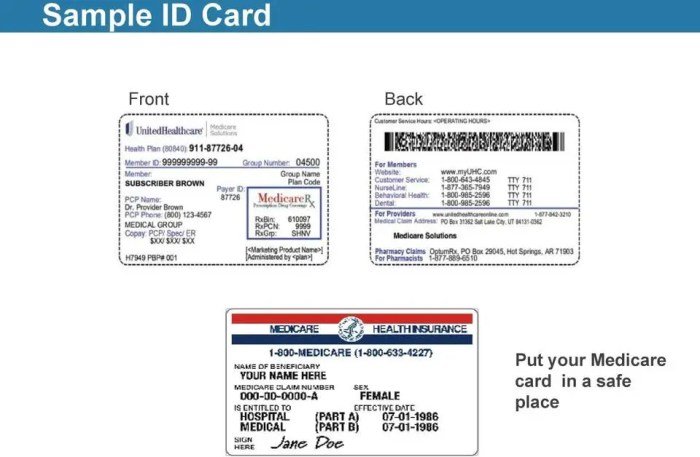
UnitedHealthcare Medicare Advantage plans offer a wide range of provider networks, giving you access to a diverse group of healthcare professionals and facilities. Understanding your plan’s provider network is crucial, as it determines which doctors, hospitals, and other healthcare providers you can see without incurring additional out-of-pocket costs.
Finding In-Network Providers and Accessing Healthcare Services
You can easily find in-network providers through the UnitedHealthcare Medicare Advantage website or mobile app. Simply enter your location or provider information, and the platform will display a list of providers within your network. You can also contact UnitedHealthcare’s customer service line for assistance in finding in-network providers.To access healthcare services, you must schedule appointments with in-network providers.
When scheduling appointments, always verify the provider’s participation in your plan to ensure coverage.
Availability of Specialists, Hospitals, and Other Healthcare Facilities
UnitedHealthcare Medicare Advantage plans typically include a comprehensive network of specialists, hospitals, and other healthcare facilities. The specific providers available within your network will vary depending on your plan and location.
Hospitals
Here is a table listing major hospitals within the UnitedHealthcare Medicare Advantage network. This list is not exhaustive and may vary depending on your specific plan and location.| Hospital Name | Location ||—|—|| [Hospital Name 1] | [Location 1] || [Hospital Name 2] | [Location 2] || [Hospital Name 3] | [Location 3] || [Hospital Name 4] | [Location 4] |
Healthcare Providers
UnitedHealthcare Medicare Advantage plans offer a wide range of healthcare providers, including:* Physicians:Primary care physicians, specialists, and other medical professionals.
Dentists
For dental care services.
Optometrists
For eye care services.
Mental health professionals
Psychologists, psychiatrists, and other mental health providers.
Pharmacists
For prescription drug services.
Other healthcare providers
Physical therapists, occupational therapists, speech therapists, and more.
Benefits and Extras

UnitedHealthcare Medicare Advantage plans offer a range of benefits and extras that go beyond traditional Medicare coverage. These plans are designed to provide comprehensive healthcare, including prescription drug coverage, vision, dental, and hearing benefits, as well as other value-added services.
Prescription Drug Coverage
Medicare Advantage plans include Part D prescription drug coverage, providing access to a wide range of medications. This coverage is essential for individuals with chronic conditions or who need regular medication.
- Formulary:Each plan has a formulary, a list of covered medications. It’s crucial to ensure your medications are on the formulary before enrolling in a plan.
- Cost-sharing:You’ll typically pay a monthly premium for Part D coverage and copayments or coinsurance for each prescription filled.
- Tiered Coverage:Plans often categorize medications into tiers based on cost. Generic medications are typically in the lowest tier and have lower copayments.
Vision, Dental, and Hearing Benefits
Many Medicare Advantage plans offer additional benefits such as vision, dental, and hearing coverage. These benefits can significantly reduce out-of-pocket costs for essential healthcare services.
- Vision:Coverage may include eye exams, eyeglasses, and contact lenses.
- Dental:Benefits may include cleanings, fillings, extractions, and dentures.
- Hearing:Plans may offer coverage for hearing exams, hearing aids, and related services.
Telehealth Options, United health care advantage medicare
UnitedHealthcare Medicare Advantage plans often include telehealth options, providing access to virtual healthcare services. Telehealth allows individuals to consult with doctors and receive care from the comfort of their homes, particularly beneficial for those with limited mobility or living in remote areas.
- Virtual Doctor Visits:These visits allow you to consult with a doctor via video chat or phone call for routine checkups, follow-up appointments, and minor health concerns.
- Prescription Refills:Many plans allow you to request prescription refills through telehealth platforms, eliminating the need for in-person visits.
- Mental Health Support:Telehealth services can provide access to mental health professionals for therapy sessions, counseling, and support.
Customer Service and Support
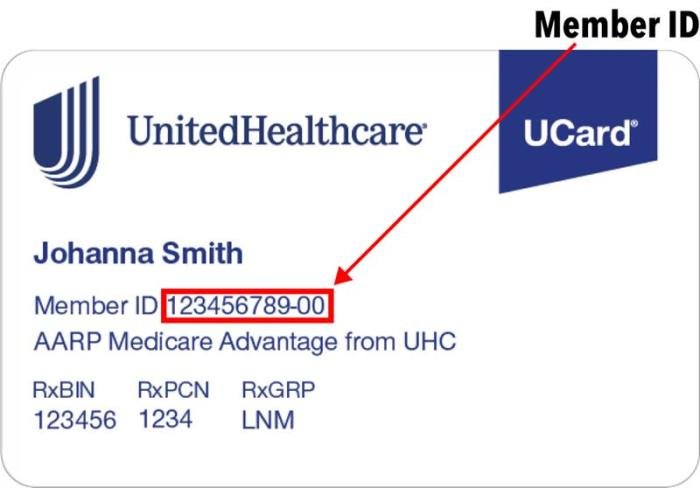
UnitedHealthcare Medicare Advantage members have access to various customer service resources and support options to address their needs and ensure a smooth experience with their plan.
Customer Service Channels
UnitedHealthcare offers multiple channels for members to access customer service:
- Phone:Members can reach a dedicated customer service line for their Medicare Advantage plan by calling the number on their member ID card or found on the UnitedHealthcare website.
- Website:The UnitedHealthcare website provides a comprehensive online resource with FAQs, plan information, and a secure portal for managing accounts and accessing benefits.
- Mobile App:The UnitedHealthcare mobile app offers a convenient way for members to access their plan information, view claims, and contact customer service directly through the app.
- Email:Members can contact customer service via email for inquiries and non-urgent matters.
- Mail:Members can write to UnitedHealthcare at the address provided on their member ID card or found on the website.
Resolving Claims
- Claims Process:Members can submit claims through various channels, including online, mail, or phone. UnitedHealthcare processes claims promptly, and members can track the status of their claims online or through the mobile app.
- Claim Denials:If a claim is denied, members receive a written explanation of the reason for denial. They have the right to appeal the decision within a specific timeframe.
Handling Appeals
- Appeal Process:Members can appeal a claim denial by following the steps Artikeld in the plan’s Evidence of Coverage (EOC) document. Appeals can be filed in writing or through the phone.
- Appeal Timelines:UnitedHealthcare has specific timelines for processing appeals, and members are notified of the outcome in writing.
Accessing Support
- Plan Information:Members can access comprehensive information about their plan, including benefits, coverage, and provider networks, through the UnitedHealthcare website, mobile app, or by contacting customer service.
- Provider Directory:UnitedHealthcare provides a provider directory that allows members to search for in-network providers, including doctors, hospitals, and pharmacies.
- Care Coordination:UnitedHealthcare offers care coordination services to help members navigate their healthcare needs and connect with the right providers.
Reviews and Ratings: United Health Care Advantage Medicare
It’s important to understand what others are saying about UnitedHealthcare Medicare Advantage plans. Reviews and ratings provide valuable insights into the overall satisfaction levels and potential strengths and weaknesses of these plans.
Customer Reviews and Ratings
Customer reviews and ratings offer a firsthand perspective on the experiences of people enrolled in UnitedHealthcare Medicare Advantage plans. These reviews can be found on various platforms, including websites like Medicare.gov, the Centers for Medicare & Medicaid Services (CMS), and independent review sites.
- Overall Satisfaction:Reviews often reflect satisfaction with plan features, such as coverage, benefits, customer service, and provider networks.
- Strengths:Common strengths reported by plan members often include comprehensive coverage, access to a wide network of providers, and responsive customer service.
- Weaknesses:Some reviews may highlight potential weaknesses, such as difficulties with claim processing, limited provider choices in certain areas, or challenges in navigating plan details.
Performance Ratings
Independent organizations, such as the National Committee for Quality Assurance (NCQA), evaluate Medicare Advantage plans based on various performance metrics. These ratings provide a standardized way to compare plans across different factors.
- NCQA Ratings:The NCQA assigns ratings to Medicare Advantage plans based on factors like quality of care, member satisfaction, and administrative performance. These ratings can be found on the NCQA website and are often used by consumers to make informed plan choices.
Alternatives to UnitedHealthcare Medicare Advantage

While UnitedHealthcare offers a variety of Medicare Advantage plans, it’s essential to explore other Medicare options to determine the best fit for your individual needs and circumstances. Understanding the advantages and disadvantages of each alternative can help you make an informed decision about your Medicare coverage.
Traditional Medicare
Traditional Medicare, also known as Original Medicare, consists of two parts: Part A (hospital insurance) and Part B (medical insurance).
UnitedHealthcare Advantage Medicare plans offer a range of benefits, including prescription drug coverage and access to a network of doctors and hospitals. If you’re looking for a healthy pick-me-up, you might be interested in trying one of the health drinks at Starbucks , which offer a variety of options to boost your energy levels.
Remember, it’s important to maintain a balanced diet and consult with your doctor about any dietary changes, especially if you’re on Medicare.
- Part Acovers inpatient hospital stays, skilled nursing facility care, hospice care, and some home health services. Most people don’t pay a monthly premium for Part A because they’ve paid Medicare taxes during their working years.
- Part Bcovers doctor’s visits, outpatient care, preventive services, and some medical equipment. You’ll pay a monthly premium for Part B, and you’ll also have to pay a deductible and coinsurance for covered services.
Traditional Medicare offers broad coverage, but it doesn’t include prescription drug coverage. You’ll need to enroll in a separate Medicare Part D plan for prescription drug coverage. Additionally, you’ll be responsible for paying deductibles and coinsurance for covered services.
Medicare Supplement Plans
Medicare Supplement Plans, also known as Medigap plans, are private insurance plans that help pay for out-of-pocket costs associated with Original Medicare.
- Medicare Supplement Plans can help cover deductibles, coinsurance, and copayments for covered services under Original Medicare.
- They can also help cover some costs for services that aren’t covered by Original Medicare, such as foreign travel emergencies.
Medicare Supplement Plans can provide more comprehensive coverage than Original Medicare, but they are generally more expensive.
Comparison of Alternatives
| Feature | UnitedHealthcare Medicare Advantage | Traditional Medicare | Medicare Supplement Plans |
|---|---|---|---|
| Coverage | Comprehensive coverage, including prescription drugs, dental, vision, and hearing | Hospital and medical insurance, but no prescription drug coverage | Supplement to Original Medicare, covering out-of-pocket costs |
| Cost | Typically lower monthly premiums than Original Medicare, but may have higher out-of-pocket costs | Lower monthly premiums than Medicare Advantage, but higher out-of-pocket costs | Higher monthly premiums than Original Medicare, but lower out-of-pocket costs |
| Flexibility | Limited network of providers, may require referrals | Broad network of providers, no need for referrals | Can be used with any Medicare-approved provider |
Tips for Choosing a UnitedHealthcare Medicare Advantage Plan
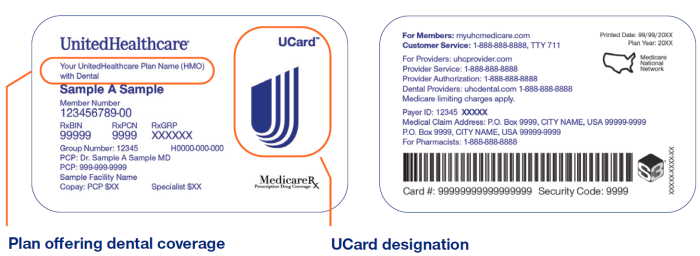
Choosing the right UnitedHealthcare Medicare Advantage plan can seem overwhelming, but with careful planning and consideration, you can find a plan that meets your individual needs and preferences. This guide will walk you through a step-by-step process to help you make an informed decision.
Factors to Consider When Comparing Plans
It’s crucial to consider various factors when comparing UnitedHealthcare Medicare Advantage plans. This ensures you choose a plan that aligns with your health needs, budget, and lifestyle.
- Cost:Medicare Advantage plans have monthly premiums, deductibles, and copayments that vary depending on the plan. Consider your budget and compare costs across different plans.
- Coverage:Each plan offers different coverage levels for services like doctor visits, hospital stays, prescription drugs, and preventive care. Evaluate your health needs and choose a plan that covers the services you require.
- Provider Networks:Medicare Advantage plans have specific provider networks. Ensure your preferred doctors and hospitals are included in the plan’s network to avoid out-of-pocket costs.
- Benefits and Extras:Some plans offer additional benefits like vision, dental, and hearing coverage. Explore these extras and choose a plan that provides the benefits you value.
- Customer Service and Support:Consider the reputation and availability of the plan’s customer service and support. Research online reviews and contact the plan directly to inquire about their responsiveness and support services.
Step-by-Step Guide for Choosing a Plan
Here’s a step-by-step guide to help you navigate the process of selecting a UnitedHealthcare Medicare Advantage plan:
- Assess Your Needs:Reflect on your health conditions, prescription drug needs, and preferred healthcare providers. Consider any specific services or benefits that are important to you.
- Compare Plans Online:Use Medicare’s Plan Finder tool or websites like Medicare.gov to compare plans based on your location and needs. This allows you to see side-by-side comparisons of cost, coverage, and benefits.
- Review Provider Networks:Ensure your preferred doctors and hospitals are included in the plan’s network. You can check the plan’s provider directory online or contact the plan directly.
- Contact UnitedHealthcare:Reach out to UnitedHealthcare directly for clarification on any plan details or to ask specific questions. They can provide personalized guidance and answer any concerns you might have.
- Enroll in Your Chosen Plan:Once you’ve selected a plan that meets your requirements, enroll during the annual open enrollment period or during a special enrollment period if you qualify.
Resources and Tools for Plan Selection
Several resources and tools can assist you in choosing the right UnitedHealthcare Medicare Advantage plan:
- Medicare.gov:This official website offers comprehensive information about Medicare, including Medicare Advantage plans, eligibility, and enrollment.
- UnitedHealthcare Website:Visit UnitedHealthcare’s website to explore their Medicare Advantage plans, review plan details, and use their online tools for plan comparisons.
- Medicare Plan Finder:This online tool allows you to compare plans based on your location, needs, and preferences. You can also use it to find plans with specific benefits or provider networks.
- Local Health Insurance Brokers:Consider consulting with a local health insurance broker who specializes in Medicare. They can provide personalized guidance and help you navigate the complex world of Medicare Advantage plans.
Conclusive Thoughts

UnitedHealthcare Medicare Advantage presents a compelling option for seniors and individuals with disabilities seeking comprehensive healthcare coverage. By understanding the plan details, comparing options, and considering your personal needs, you can make an informed choice that aligns with your healthcare goals.
Remember, seeking guidance from a trusted advisor can further enhance your decision-making process and ensure you receive the optimal coverage for your specific circumstances.
Frequently Asked Questions
What are the advantages of UnitedHealthcare Medicare Advantage plans?
UnitedHealthcare Medicare Advantage plans offer several advantages, including comprehensive coverage, potential cost savings, and access to additional benefits like prescription drug coverage, vision, dental, and hearing care. These plans often include preventive services and wellness programs to promote overall health.
How do I enroll in a UnitedHealthcare Medicare Advantage plan?
You can enroll in a UnitedHealthcare Medicare Advantage plan during the Annual Enrollment Period (AEP) from October 15 to December 7 each year. You may also be eligible to enroll during a Special Enrollment Period (SEP) if you experience a qualifying life event, such as moving to a new area or losing your current coverage.
Enrollment options include online, phone, or in-person through a licensed insurance agent.
What are the different types of UnitedHealthcare Medicare Advantage plans?
UnitedHealthcare offers various Medicare Advantage plan types, including Health Maintenance Organizations (HMOs), Preferred Provider Organizations (PPOs), and Private Fee-for-Service (PFFS) plans. Each plan type has its own network of providers, coverage rules, and cost structure. Choosing the right plan depends on your individual healthcare needs and preferences.
How can I find out if a specific provider is in the UnitedHealthcare Medicare Advantage network?
You can easily find out if a specific provider is in the UnitedHealthcare Medicare Advantage network by visiting their website, using their online provider directory, or contacting their customer service department. The provider directory lists participating doctors, hospitals, and other healthcare professionals within the plan’s network.
Are there any resources available to help me choose a UnitedHealthcare Medicare Advantage plan?
Yes, several resources can assist you in choosing the right UnitedHealthcare Medicare Advantage plan. You can utilize online plan comparison tools, consult with a licensed insurance agent, or contact UnitedHealthcare directly for personalized guidance. The Medicare.gov website also provides comprehensive information and resources for understanding Medicare coverage options.