
Dynamic fitness is more than just exercise; it’s a holistic approach to movement that empowers you to live a healthier, more vibrant life. Unlike static fitness, which focuses on holding positions, dynamic fitness emphasizes fluid, controlled movements that engage multiple muscle groups.
This dynamic approach not only strengthens your body but also enhances flexibility, balance, and coordination, leading to improved overall well-being.
Imagine a workout that feels like a dance, where every move flows seamlessly into the next. That’s the essence of dynamic fitness. From incorporating dynamic stretches before a workout to performing functional exercises that mimic everyday movements, dynamic fitness offers a versatile and engaging way to achieve your fitness goals.
Defining Dynamic Fitness
Dynamic fitness is a type of exercise that involves continuous movement and focuses on improving functional strength, flexibility, and coordination. It’s a holistic approach to fitness that prepares your body for everyday activities and athletic performance.
Core Principles of Dynamic Fitness
Dynamic fitness is built upon a few key principles that guide its approach to exercise:
- Multi-Joint Movements:Dynamic exercises typically engage multiple muscle groups simultaneously, mimicking real-life movements.
- Controlled Range of Motion:Exercises are performed with a controlled and fluid range of motion, emphasizing proper form and technique.
- Progressive Overload:As your body adapts, you gradually increase the intensity, duration, or complexity of your workouts to continue challenging your muscles.
- Functional Focus:Dynamic exercises are designed to improve your ability to perform everyday tasks and athletic activities efficiently.
Static vs. Dynamic Fitness
Dynamic fitness is often contrasted with static fitness. Static fitness involves holding a position for an extended period, focusing on strength and endurance. Here’s a breakdown of the key differences:
| Characteristic | Dynamic Fitness | Static Fitness |
|---|---|---|
| Movement | Continuous movement | Holding a position |
| Muscle Engagement | Multiple muscle groups | Targeted muscle isolation |
| Focus | Functional strength, flexibility, coordination | Strength, endurance, flexibility |
| Examples | Lunges, squats, jumping jacks | Plank, wall sits, isometric holds |
Examples of Dynamic Fitness Exercises
Dynamic fitness exercises are diverse and can be tailored to various fitness levels and goals. Here are a few common examples:
- Warm-up Exercises:Dynamic stretches like arm circles, leg swings, and torso twists are excellent for preparing your body for more intense activities.
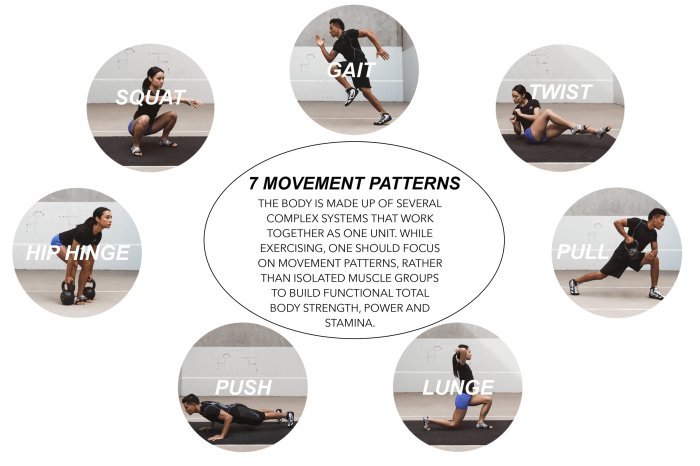
- Compound Exercises:Exercises like squats, lunges, push-ups, and pull-ups engage multiple muscle groups simultaneously, promoting functional strength.
- Plyometrics:Explosiveness and power are enhanced with exercises like box jumps, jump squats, and plyometric push-ups.
- Agility Drills:These drills, like ladder drills and cone drills, improve your coordination, balance, and quickness.
Benefits of Dynamic Fitness
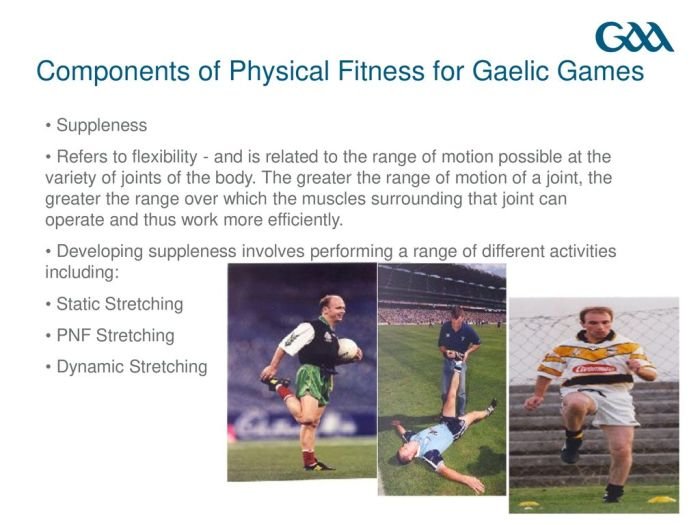
Dynamic fitness offers a range of benefits that can positively impact your physical, mental, and overall well-being. Engaging in dynamic exercises, which involve continuous movement, can lead to significant improvements in various aspects of your health and fitness.
Physical Benefits of Dynamic Fitness
Dynamic fitness exercises involve continuous movement, which can lead to several physical benefits. These exercises are often characterized by fluid transitions between movements, targeting multiple muscle groups simultaneously.
- Improved Flexibility and Range of Motion:Dynamic stretches prepare your muscles for activity by increasing blood flow and improving flexibility. They help to enhance your range of motion, allowing for greater mobility and reducing the risk of injury.
- Enhanced Muscle Strength and Endurance:Dynamic exercises engage multiple muscle groups, improving overall muscle strength and endurance. They can also increase power output, allowing you to perform everyday activities with greater ease.
- Improved Cardiovascular Health:Dynamic fitness exercises, particularly those involving high-intensity movements, can significantly improve your cardiovascular health. They elevate your heart rate and improve blood flow, reducing the risk of heart disease and stroke.
- Increased Bone Density:Dynamic exercises that involve weight-bearing movements, such as running, jumping, and weight training, can increase bone density, reducing the risk of osteoporosis.
- Reduced Risk of Injury:Dynamic stretches prepare your muscles for activity, reducing the risk of injuries during exercise or daily activities. They improve flexibility and range of motion, allowing your body to move more efficiently and safely.
Mental and Emotional Benefits of Dynamic Fitness
Dynamic fitness can have a positive impact on your mental and emotional well-being. The combination of physical activity and the release of endorphins can contribute to a sense of calm and well-being.
- Reduced Stress and Anxiety:Dynamic exercises, particularly those involving rhythmic movements, can help to reduce stress and anxiety. The release of endorphins during exercise acts as a natural mood booster, promoting feelings of relaxation and well-being.
- Improved Mood and Cognitive Function:Regular dynamic fitness can improve your mood and cognitive function. Exercise increases blood flow to the brain, enhancing cognitive performance and reducing the risk of age-related cognitive decline.
- Increased Self-Esteem and Confidence:Achieving fitness goals through dynamic exercises can boost your self-esteem and confidence. Feeling stronger and more capable can positively impact your overall sense of self-worth.
- Improved Sleep Quality:Regular dynamic fitness can improve your sleep quality. Exercise helps to regulate your sleep-wake cycle, promoting deeper and more restful sleep.
Overall Well-being
Dynamic fitness can contribute to a significant improvement in your overall well-being. The combined physical, mental, and emotional benefits of dynamic exercises can lead to a healthier and more fulfilling life.
Dynamic fitness is all about keeping your body moving and engaged. Whether you’re lifting weights, running, or even just doing yoga, dynamic exercises challenge your muscles in new ways. This can help you build strength, improve your balance, and even boost your metabolism.
And if you’re looking for a way to add some excitement to your workout routine, consider incorporating some dynamic movements. For example, you could try a high-intensity interval training (HIIT) workout, which involves alternating between short bursts of intense exercise and periods of rest.
Or, you could try a dance fitness class, which combines cardio and strength training with fun and engaging choreography. And for a truly unique challenge, try incorporating some dynamic exercises inspired by the ancient world, like the beauty queen of Jerusalem , who was known for her grace and agility.
By adding dynamic movements to your fitness routine, you can keep your body guessing and help you reach your fitness goals faster.
- Improved Energy Levels:Dynamic exercises can increase your energy levels by improving cardiovascular health and muscle function. You may find yourself feeling more energized throughout the day and having more stamina for daily activities.
- Enhanced Quality of Life:By improving your physical health, mental well-being, and overall fitness, dynamic fitness can contribute to a higher quality of life. You may experience increased mobility, reduced pain, and greater enjoyment of daily activities.
- Increased Longevity:Studies have shown that regular exercise, including dynamic fitness, can increase longevity and reduce the risk of chronic diseases. By maintaining a healthy lifestyle through dynamic fitness, you can potentially live a longer and healthier life.
Incorporating Dynamic Fitness into a Routine
Dynamic fitness can be easily integrated into your existing workout routine. You can start by warming up with dynamic stretches before your workout and cool down with static stretches afterwards. You can also incorporate dynamic exercises into your regular workout routine, such as during your rest periods or as part of a circuit.
Sample Dynamic Fitness Workout Routine
This sample routine is designed for a beginner and can be modified based on your fitness level and goals. It is important to listen to your body and stop if you feel any pain.
Dynamic fitness isn’t just about hitting the gym, it’s about fostering a healthy lifestyle that extends beyond the workout. A key aspect of this is having the right support, and that includes access to comprehensive health coverage. Companies can offer valuable assistance by providing company health cover options, which can empower employees to focus on their well-being without financial worries.
This, in turn, can lead to a more engaged and productive workforce, ultimately contributing to a dynamic fitness environment within the company.
- Warm-up (5 minutes):
- Arm circles (forward and backward) – 10 repetitions each
- Leg swings (forward and backward) – 10 repetitions each
- High knees – 20 repetitions
- Butt kicks – 20 repetitions
- Walking lunges – 10 repetitions per leg
- Workout (20 minutes):
- Squats – 3 sets of 10 repetitions
- Push-ups – 3 sets of as many repetitions as possible
- Plank – 3 sets of 30 seconds
- Crunches – 3 sets of 15 repetitions
- Cool-down (5 minutes):
- Quadriceps stretch – 30 seconds per leg
- Hamstring stretch – 30 seconds per leg
- Calf stretch – 30 seconds per leg
- Shoulder stretch – 30 seconds per side
Gradually Incorporating Dynamic Fitness
It is important to gradually incorporate dynamic fitness into your existing workout schedule to avoid injury. Here is a plan for incorporating dynamic fitness into your routine:
- Start with a short warm-up.Begin with a 5-minute dynamic warm-up before your workout. As you get more comfortable, you can gradually increase the duration of your warm-up.
- Add dynamic exercises to your workout.Incorporate dynamic exercises into your regular workout routine, such as during your rest periods or as part of a circuit. You can start with one or two exercises and gradually increase the number as you get stronger.
- Focus on proper form.It is important to maintain proper form during dynamic exercises to avoid injury. If you are unsure about proper form, consult a fitness professional.
Types of Dynamic Exercises and Their Benefits
| Type of Dynamic Exercise | Benefits |
|---|---|
| Arm circles | Increases range of motion in the shoulders, improves flexibility, and prepares the body for upper body exercises. |
| Leg swings | Increases range of motion in the hips, improves flexibility, and prepares the body for lower body exercises. |
| High knees | Warms up the muscles in the legs and core, improves cardiovascular health, and increases power and explosiveness. |
| Butt kicks | Warms up the muscles in the legs and core, improves flexibility, and increases range of motion in the hips. |
| Walking lunges | Strengthens the muscles in the legs and core, improves balance, and increases flexibility. |
| Jumping jacks | Warms up the muscles in the legs and core, improves cardiovascular health, and increases coordination. |
| Side shuffles | Strengthens the muscles in the legs and core, improves balance, and increases agility. |
Dynamic Fitness for Different Fitness Levels

Dynamic fitness can be tailored to suit individuals of all fitness levels, from beginners to seasoned athletes. Whether you’re just starting your fitness journey or looking to enhance your existing routine, dynamic exercises can help you achieve your goals.
Dynamic Fitness for Beginners
Dynamic exercises are an excellent way for beginners to ease into a fitness routine. Starting with gentle movements and gradually increasing the intensity is crucial. For beginners, focus on exercises that improve flexibility, coordination, and mobility.
- Arm circles: Stand with feet shoulder-width apart and arms extended to the sides. Slowly rotate your arms forward and backward in a circular motion. Start with small circles and gradually increase the range of motion.
- Leg swings: Stand with feet hip-width apart and swing one leg forward and backward, keeping the other leg slightly bent. Repeat with the other leg. Gradually increase the height and speed of the swings.
- High knees: Stand with feet hip-width apart and lift your knees as high as possible towards your chest. Alternate between each leg, keeping your core engaged.
Dynamic Fitness for Intermediate Fitness Levels
Intermediate fitness levels can incorporate more challenging dynamic exercises to further enhance their strength, power, and flexibility. Focus on exercises that engage multiple muscle groups and increase the intensity by adding resistance or increasing the range of motion.
- Squat jumps: Stand with feet shoulder-width apart and squat down with your back straight and core engaged. Explosively jump up, extending your legs and arms. Land softly on your feet and repeat.
- Lateral lunges: Stand with feet hip-width apart and take a large step to the side, bending your knee and keeping your other leg straight. Push off with your bent leg to return to the starting position. Repeat on the other side.
- Medicine ball slams: Stand with feet shoulder-width apart and hold a medicine ball above your head. Bend your knees and hinge at the hips, bringing the ball down to your thighs. Explosively throw the ball to the ground, maintaining a straight back and core engagement.
Dynamic Fitness for Advanced Fitness Levels
Advanced fitness levels can benefit from incorporating dynamic exercises that challenge their agility, power, and coordination. Focus on exercises that involve complex movements, increased resistance, and faster execution.
- Burpees: Start standing, then squat down and kick your feet back into a plank position. Do a push-up, then jump your feet forward and stand up, explosively jumping into the air. Land softly and repeat.
- Box jumps: Stand in front of a box or platform and squat down. Explosively jump up onto the box, landing softly with your feet shoulder-width apart. Step down and repeat.
- Kettlebell swings: Stand with feet shoulder-width apart and hold a kettlebell in front of your hips. Hinge at the hips and swing the kettlebell back between your legs. Explosively drive your hips forward and swing the kettlebell up to shoulder height, maintaining a straight back and core engagement.
Dynamic Fitness for Weight Loss
Dynamic exercises are effective for weight loss as they elevate your heart rate and burn calories. Focus on exercises that engage large muscle groups and increase your metabolic rate.
- Jumping jacks: Stand with feet together and arms at your sides. Jump your feet out to the sides and raise your arms overhead. Jump your feet back together and lower your arms. Repeat for a set amount of time.
- Mountain climbers: Start in a plank position and alternate bringing one knee towards your chest, keeping your core engaged. Repeat for a set amount of time.
- High-intensity interval training (HIIT): This involves alternating between short bursts of intense exercise and brief recovery periods. HIIT workouts can be highly effective for weight loss.
Dynamic Fitness for Muscle Building
Dynamic exercises can also be beneficial for muscle building, particularly when combined with resistance training. Focus on exercises that challenge your muscles and promote hypertrophy.
- Squat to overhead press: Stand with feet shoulder-width apart and hold dumbbells in each hand. Squat down with your back straight and core engaged. As you stand up, press the dumbbells overhead, extending your arms fully. Lower the dumbbells back down to your shoulders and repeat.
- Deadlifts: Stand with feet hip-width apart and hold a barbell in front of your hips. Hinge at the hips and lower the barbell towards the ground, keeping your back straight and core engaged. Drive your hips forward to stand up, lifting the barbell.
Repeat for a set amount of time.
- Push-ups: Start in a plank position with your hands shoulder-width apart. Lower your chest towards the ground, keeping your body in a straight line. Push back up to the starting position and repeat.
Dynamic Fitness for Endurance
Dynamic exercises can improve your cardiovascular fitness and endurance. Focus on exercises that elevate your heart rate and challenge your respiratory system.
- Running: Running is an excellent way to improve your cardiovascular fitness and endurance. Start with short runs and gradually increase the distance and intensity.
- Cycling: Cycling is a low-impact exercise that can help you improve your cardiovascular fitness and endurance. You can cycle indoors on a stationary bike or outdoors on a road or trail.
- Swimming: Swimming is a full-body workout that is great for cardiovascular fitness and endurance. It is also a low-impact exercise that is easy on your joints.
Dynamic Fitness and Injury Prevention

Dynamic fitness plays a crucial role in injury prevention, especially for individuals engaging in physical activities. It prepares your body for the demands of exercise, reducing the risk of strains, sprains, and other common injuries.
The Importance of Proper Warm-up and Cool-down Routines
Proper warm-up and cool-down routines are essential components of dynamic fitness, contributing significantly to injury prevention. A dynamic warm-up gradually increases your heart rate and body temperature, preparing your muscles for activity. It improves flexibility and range of motion, making your body more adaptable to the movements you’ll be performing.A cool-down helps your body transition back to a resting state, reducing muscle soreness and stiffness.
It involves light activities that gradually decrease your heart rate and allow your muscles to recover.
Dynamic fitness involves constantly adapting your workouts to keep your body challenged and engaged. This can include incorporating new exercises, adjusting weights, or even changing the intensity of your training. Of course, maintaining a healthy lifestyle for your furry friend is equally important, and that’s where health paw insurance can come in handy.
By providing financial protection for unexpected veterinary expenses, it allows you to focus on keeping your pet active and healthy, which in turn supports their dynamic fitness journey.
How Dynamic Fitness Improves Flexibility, Range of Motion, and Stability
Dynamic fitness enhances flexibility, range of motion, and stability, all of which are crucial for injury prevention.
- Improved Flexibility:Dynamic stretches, such as leg swings and torso twists, increase the flexibility of your muscles and joints, making them less susceptible to injury.
- Increased Range of Motion:Dynamic exercises promote a wider range of motion in your joints, allowing for smoother and more efficient movement. This helps prevent injuries caused by limited movement or awkward positions.
- Enhanced Stability:Dynamic exercises strengthen your core muscles, which are responsible for stabilizing your body during movement. A strong core improves balance and coordination, reducing the risk of falls and other injuries.
Dynamic Fitness Trends and Innovations

The field of dynamic fitness is constantly evolving, with new trends and innovative approaches emerging regularly. These advancements are driven by the desire to enhance training effectiveness, improve safety, and provide more engaging and personalized fitness experiences. This section explores some of the key trends and innovations shaping the dynamic fitness landscape.
Emerging Trends in Dynamic Fitness
Emerging trends in dynamic fitness are characterized by a focus on personalization, technology integration, and functional training.
- Personalized Fitness Programs:Tailored fitness programs based on individual needs, goals, and fitness levels are becoming increasingly popular. This trend is fueled by the availability of wearable technology and data analysis tools that provide personalized insights into training performance and progress.
- Functional Training:Functional training, which focuses on exercises that mimic real-life movements, is gaining traction. This approach aims to improve overall fitness, strength, and coordination, making daily activities easier and more enjoyable.
- Technology Integration:The integration of technology in dynamic fitness is revolutionizing the way people train. Wearable devices, virtual reality (VR) simulations, and interactive fitness apps are enhancing training experiences and providing valuable data for performance tracking and improvement.
- Group Fitness Innovations:Group fitness classes are evolving to incorporate dynamic fitness principles. This includes incorporating functional movements, interval training, and high-intensity workouts into group settings, fostering a sense of community and motivation.
Innovative Approaches to Dynamic Fitness Training
Innovative approaches to dynamic fitness training focus on enhancing training effectiveness, safety, and engagement.
- Circuit Training:Circuit training involves performing a series of exercises in a continuous loop, minimizing rest periods between exercises. This method promotes cardiovascular fitness, muscular endurance, and time efficiency.
- High-Intensity Interval Training (HIIT):HIIT involves alternating periods of intense exercise with short recovery periods. This approach maximizes calorie burn and improves cardiovascular health in a short amount of time.
- Functional Movement Screen (FMS):The FMS is a system of seven movement patterns that assess an individual’s movement quality and identify potential movement limitations. This screening helps identify areas for improvement and reduces the risk of injuries.
New Technologies and Equipment in Dynamic Fitness
New technologies and equipment are playing a crucial role in enhancing dynamic fitness experiences and providing valuable data for performance tracking.
- Wearable Technology:Wearable fitness trackers and smartwatches are becoming increasingly sophisticated, providing detailed insights into heart rate, calories burned, sleep patterns, and other metrics. This data can be used to personalize training programs and track progress.
- Virtual Reality (VR) Fitness:VR technology is being used to create immersive and engaging fitness experiences. VR simulations can recreate real-world scenarios, such as hiking, cycling, or climbing, providing a more enjoyable and challenging workout.
- Interactive Fitness Apps:Fitness apps are evolving to offer personalized training programs, interactive workouts, and community features. These apps provide motivation, guidance, and progress tracking, making it easier to stay on track with fitness goals.
- Smart Equipment:Smart fitness equipment, such as treadmills, ellipticals, and rowing machines, incorporates technology to provide real-time feedback, adjust resistance levels, and track performance data. This data can be used to personalize workouts and improve training efficiency.
Concluding Remarks

By embracing dynamic fitness, you’re not just working out; you’re investing in your future health and vitality. Whether you’re a seasoned athlete or just starting your fitness journey, dynamic fitness offers a powerful path to unlocking your full potential. So, get ready to move, feel the energy surge through your body, and discover the joy of dynamic fitness.
FAQ Insights
What are some examples of dynamic stretches?
Arm circles, leg swings, torso twists, and lunges are excellent examples of dynamic stretches.
How often should I incorporate dynamic fitness into my routine?
Aim for at least 2-3 dynamic fitness sessions per week, but you can adjust the frequency based on your fitness level and goals.
Can dynamic fitness help me lose weight?
Yes, dynamic fitness can help you burn calories and boost your metabolism, contributing to weight loss.
Are there any risks associated with dynamic fitness?
Dynamic fitness is generally safe, but it’s essential to listen to your body and avoid pushing yourself beyond your limits. If you have any underlying health conditions, consult with your doctor before starting a new fitness program.