
Eugenia Cooney health has been a subject of intense public scrutiny and debate. Her journey through the public eye, marked by her struggle with body image and eating disorders, has sparked both concern and admiration. This exploration delves into the complex interplay of social media, public perception, and the importance of addressing mental health challenges.
From the evolution of her public image to the impact of social media on her well-being, we examine the various factors that have shaped her story. We also explore the broader context of body image and mental health, emphasizing the need for compassionate understanding and responsible discourse.
Eugenia Cooney’s Public Health Journey

Eugenia Cooney’s journey through the public eye has been deeply intertwined with discussions surrounding health and body image. Her online presence, primarily on YouTube, has attracted a significant following, but also raised concerns about her well-being. This journey has been marked by periods of public scrutiny, self-reflection, and attempts to navigate the complexities of online fame and personal health.
Evolution of Public Image
The public perception of Eugenia Cooney’s health has evolved over time, mirroring her own journey and the changing discourse surrounding body image and eating disorders. In the early stages of her online career, Cooney’s thin physique became a subject of frequent comment and speculation.
While some viewers expressed concern, others embraced her aesthetic, creating a complex dynamic where her appearance became both a source of admiration and worry. As her online presence grew, so did the intensity of these discussions.
Perspectives on Her Health Journey
Cooney’s health journey has been viewed from multiple perspectives. Some fans have expressed deep concern, advocating for her well-being and encouraging her to seek professional help. They have pointed to her thinness and behaviors as potential indicators of an eating disorder, urging her to prioritize her health.
Others, however, have defended her choices, arguing that she is an adult capable of making her own decisions. They emphasize her right to autonomy and privacy, suggesting that external judgment is unwarranted. Professional opinions on Cooney’s health have been mixed.
Some experts have expressed concern about her weight and appearance, suggesting potential health risks associated with extreme thinness. Others have emphasized the need for a nuanced understanding of eating disorders, recognizing the complexities of the condition and the importance of avoiding generalizations.
Eugenia Cooney’s health journey has been a topic of much discussion, with many concerned about her well-being. It’s important to remember that maintaining good health requires a holistic approach, which often includes financial planning for medical expenses. For those seeking options for saving on healthcare costs, exploring options like UMB health savings might be beneficial.
Ultimately, prioritizing health and well-being, both physically and financially, is crucial, especially in situations like Eugenia’s where public attention is focused on her health.
Key Events and Milestones
Several key events have significantly impacted public perception of Cooney’s health.
- In 2016, a video titled “My Weight” went viral, prompting a wave of concern and discussion about her health.
- Cooney’s subsequent statements and actions regarding her health have been subject to intense scrutiny, with fans and critics alike dissecting her words and behaviors.
- In 2019, she announced a break from social media, citing the need to focus on her well-being, a decision that further fueled speculation about her health status.
Timeline of Public Statements and Actions
Cooney’s public statements and actions regarding her health have been documented and analyzed by fans and critics alike.
| Date | Event | Details |
|---|---|---|
| 2012 | Launch of YouTube Channel | Cooney began posting videos on YouTube, initially focusing on fashion and beauty content. |
| 2016 | “My Weight” Video | Cooney addressed concerns about her weight in a video titled “My Weight,” sparking widespread discussion about her health. |
| 2019 | Social Media Break | Cooney announced a break from social media, citing the need to prioritize her well-being. |
The Impact of Social Media on Eugenia Cooney’s Health

Social media has played a significant role in shaping the public discourse surrounding Eugenia Cooney’s health. The online platforms have amplified both support and criticism, impacting her mental and physical well-being. This section examines the multifaceted impact of social media on Eugenia Cooney’s health journey, exploring how online platforms have influenced her public image and the public’s understanding of her health.
Eugenia Cooney’s health journey has been a subject of much discussion and concern. While her personal choices are ultimately her own, it’s important to remember that seeking help and support is crucial when navigating complex health issues. It’s also worth noting that many beauty products and services, like those offered at Sams Beauty , can contribute to a positive self-image and confidence, which are vital aspects of overall well-being.
Ultimately, Eugenia’s health journey is a reminder of the importance of self-care and seeking professional guidance when needed.
The Influence of Social Media on Public Discourse
Social media has created a platform for widespread discussion and debate regarding Eugenia Cooney’s health. The online environment has allowed for diverse perspectives to be shared, including concerns about her well-being, support for her recovery, and criticism of her choices.
While social media has provided a space for open dialogue, it has also contributed to the spread of misinformation and harmful speculation about her condition. The constant public scrutiny and judgment can have a detrimental impact on her mental health, fueling anxiety and self-doubt.
The Impact of Online Criticism and Support
The online world can be a double-edged sword for someone like Eugenia Cooney. While supportive communities have emerged online, offering encouragement and resources, there is also a significant amount of online criticism and negativity directed towards her. The constant barrage of negative comments, often focusing on her appearance and lifestyle choices, can be deeply damaging to her self-esteem and mental health.
This online criticism can exacerbate existing mental health challenges and make it difficult for her to seek help or engage in recovery.
The Impact of Social Media on Eugenia Cooney’s Public Image
Social media has significantly influenced Eugenia Cooney’s public image and how the public perceives her health. Her online presence, including videos and social media posts, has been subject to intense scrutiny and analysis. This constant public attention has created a narrative around her health, often based on speculation and conjecture rather than factual information.
Social media has amplified the public’s interest in her life, leading to a heightened level of public scrutiny and commentary, which can be overwhelming and detrimental to her well-being.
Social Media’s Impact on Eugenia Cooney’s Health Journey, Eugenia cooney health
| Impact | Description | Examples |
|---|---|---|
| Increased Visibility and Scrutiny | Social media has amplified public attention on Eugenia Cooney’s health, leading to increased scrutiny and commentary. | Numerous online articles, discussions, and videos have been dedicated to her health, often speculating about her condition and making judgments about her choices. |
| Spread of Misinformation | Social media has contributed to the spread of misinformation and harmful speculation about Eugenia Cooney’s health. | Online rumors and false narratives about her condition have circulated widely, often based on assumptions and conjecture. |
| Online Support and Criticism | Social media has created both supportive communities and platforms for criticism, impacting her mental and emotional well-being. | While online support groups have offered encouragement and resources, negative comments and criticism have also been prevalent, affecting her self-esteem and mental health. |
| Influence on Public Perception | Social media has significantly influenced the public’s perception of Eugenia Cooney’s health, often shaping narratives based on online content. | The public’s understanding of her health is often influenced by the information and perspectives shared on social media platforms, which can be misleading or inaccurate. |
The Importance of Body Image and Mental Health

Body image is a complex and multifaceted concept that encompasses how we perceive, think, and feel about our physical appearance. It is influenced by a myriad of factors, including societal pressures, cultural norms, personal experiences, and individual beliefs. A healthy body image is characterized by a positive and realistic view of one’s body, while a negative body image can lead to feelings of shame, anxiety, and dissatisfaction.
This, in turn, can have a significant impact on mental health, particularly in the context of eating disorders.
The Complex Relationship Between Body Image, Eating Disorders, and Mental Health
Body image and eating disorders are intricately intertwined, with a negative body image often serving as a precursor to the development of an eating disorder. When individuals are dissatisfied with their appearance, they may engage in unhealthy behaviors such as restrictive dieting, excessive exercise, or purging to achieve an idealized body shape.
Eugenia Cooney’s health journey has been a subject of much discussion and concern. While her focus on weight loss has led to extreme measures, it’s important to remember that everyone’s journey is unique. For those seeking a healthier lifestyle, creating a home gym with the right fitness equipment can be a great starting point.
Ultimately, the key is finding a balance that works for each individual, prioritizing both physical and mental well-being.
This cycle of negative body image and disordered eating can perpetuate a vicious cycle, leading to further mental health challenges.Eating disorders are serious mental illnesses characterized by abnormal eating habits and distorted body image. They are not simply about food or weight but reflect deeper psychological issues related to control, self-esteem, and body image.
Individuals with eating disorders often experience intense anxiety, depression, and social isolation. They may also suffer from physical health complications such as malnutrition, heart problems, and bone loss.
Societal Pressures and Cultural Norms
Societal pressures and cultural norms play a significant role in shaping body image and contributing to the development of eating disorders. The media, particularly social media, often presents unrealistic and unattainable beauty standards, perpetuating a narrow definition of beauty and contributing to feelings of inadequacy and body dissatisfaction.
This constant bombardment of idealized images can lead to internalized pressure to conform to these unrealistic expectations, further fueling the cycle of negative body image and disordered eating.For instance, the proliferation of thin models and celebrities in advertising and entertainment has contributed to a societal emphasis on thinness as a marker of beauty and success.
This emphasis on thinness has been linked to increased rates of eating disorders, particularly among young women and girls. Additionally, the rise of social media platforms like Instagram and TikTok has created a virtual environment where individuals are constantly exposed to images of seemingly perfect bodies, further fueling body dissatisfaction and contributing to the pressure to achieve unrealistic beauty standards.
Mental Health Conditions Associated with Body Image Issues
| Mental Health Condition | Description |
|---|---|
| Eating Disorders | Characterized by abnormal eating habits and distorted body image, including anorexia nervosa, bulimia nervosa, and binge eating disorder. |
| Body Dysmorphic Disorder | An obsessive-compulsive disorder characterized by excessive preoccupation with perceived flaws in one’s physical appearance. |
| Depression | A mood disorder characterized by persistent feelings of sadness, hopelessness, and loss of interest in activities. |
| Anxiety | A mental health condition characterized by excessive worry, fear, and nervousness. |
| Low Self-Esteem | A negative self-perception characterized by feelings of inadequacy, worthlessness, and self-doubt. |
The Importance of Seeking Professional Help
Individuals struggling with body image and eating disorders should seek professional help from a qualified mental health professional. Treatment for body image and eating disorders typically involves a combination of therapy, nutrition counseling, and medical monitoring. Therapy can help individuals address the underlying psychological issues contributing to their eating disorder, while nutrition counseling can provide guidance on developing healthy eating habits.
Medical monitoring is essential to address any physical health complications that may arise from disordered eating.It is important to remember that body image and eating disorders are treatable, and seeking help is a sign of strength. With professional support, individuals can learn to develop a healthier relationship with their bodies and achieve lasting recovery.
The Role of Public Awareness and Support
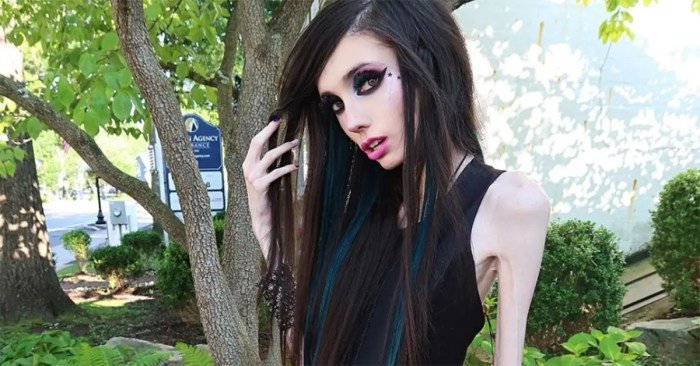
Public awareness plays a crucial role in addressing body image issues and eating disorders. By raising awareness, we can break down harmful stereotypes, promote positive body image, and encourage individuals to seek help when they need it.
The Importance of Public Awareness
Raising awareness about body image and eating disorders is essential for creating a more supportive and understanding environment. It helps to:
- Reduce Stigma:Public awareness campaigns can help to destigmatize these issues, making it easier for individuals to seek help without fear of judgment.
- Promote Early Intervention:Increased awareness can encourage individuals to recognize the signs and symptoms of eating disorders in themselves or others, leading to earlier intervention and potentially better outcomes.
- Educate the Public:By providing accurate information about body image and eating disorders, public awareness campaigns can dispel myths and misconceptions, fostering a more informed and compassionate society.
The Impact of Positive Support and Resources
Positive support and resources can significantly impact individuals struggling with body image and eating disorders. This support can come from:
- Family and Friends:A supportive network of family and friends can provide emotional support, encouragement, and practical assistance during recovery.
- Therapists and Counselors:Mental health professionals can provide evidence-based therapies, such as cognitive behavioral therapy (CBT), to address underlying psychological issues and develop coping mechanisms.
- Support Groups:Connecting with others who share similar experiences can provide a sense of community, validation, and hope.
Organizations and Initiatives
Numerous organizations and initiatives are dedicated to promoting healthy body image and mental well-being. Some examples include:
- National Eating Disorders Association (NEDA):NEDA provides resources, support, and advocacy for individuals with eating disorders and their families.
- The Body Positive:This organization promotes body acceptance and challenges the societal pressures that contribute to negative body image.
- Project HEAL:Project HEAL offers support, resources, and advocacy for individuals with eating disorders and their loved ones.
Resources and Support Systems
Individuals seeking help with body image and eating disorders have access to a variety of resources and support systems:
- National Eating Disorders Association (NEDA) Helpline:1-800-931-2237
- Crisis Text Line:Text HOME to 741741
- The Trevor Project:1-866-488-7386 (for LGBTQ youth)
The Ethical Considerations of Public Discourse

Public discussions about Eugenia Cooney’s health raise complex ethical considerations, highlighting the delicate balance between public concern and individual privacy. While it is understandable that people are concerned about her well-being, it’s crucial to approach these discussions with sensitivity and respect for her autonomy.
The Potential Risks and Benefits of Public Scrutiny and Online Commentary
Public scrutiny and online commentary on individuals’ health journeys can have both positive and negative consequences.
- Benefits: Public awareness campaigns can raise awareness about mental health issues like eating disorders, promoting understanding and encouraging help-seeking behavior. Online support groups and forums can provide a sense of community and shared experiences for individuals struggling with similar challenges.
- Risks: Excessive online commentary can be intrusive, potentially causing emotional distress and exacerbating existing mental health issues. Public scrutiny can create pressure and shame, hindering individuals’ recovery process. The spread of misinformation and harmful stereotypes can further stigmatize individuals and discourage them from seeking help.
The Impact of Public Discourse on the Privacy and Well-being of Individuals with Eating Disorders
Public discourse surrounding Eugenia Cooney’s health raises critical questions about the impact on the privacy and well-being of individuals with eating disorders.
- Privacy Violations: Public discussions often involve sharing personal details about individuals’ health struggles without their consent, potentially violating their privacy and causing further distress.
- Stigmatization: Public scrutiny can reinforce harmful stereotypes about eating disorders, leading to stigma and discrimination. Individuals may feel ashamed and reluctant to seek help, fearing judgment and public ridicule.
- Emotional Distress: Constant online commentary and public attention can be overwhelming and emotionally draining for individuals with eating disorders, potentially hindering their recovery process.
The Importance of Responsible and Compassionate Communication Regarding Mental Health and Body Image
Responsible and compassionate communication is essential when discussing mental health and body image, especially in the context of public figures like Eugenia Cooney.
- Respect for Autonomy: Individuals with eating disorders should be treated with respect and their autonomy should be prioritized. Public discussions should focus on promoting understanding and support rather than engaging in speculation or judgment.
- Focus on Recovery: Discussions should emphasize the importance of seeking professional help and support for recovery.
- Promoting Body Positivity: Discussions should promote body positivity and challenge harmful beauty standards that contribute to eating disorders.
Final Thoughts

The story of Eugenia Cooney’s health journey underscores the importance of navigating public discourse with sensitivity and empathy. It highlights the need for a nuanced understanding of the complexities surrounding body image, eating disorders, and mental health. Ultimately, it reminds us that individuals struggling with these challenges deserve support, respect, and access to appropriate resources.
FAQ Corner: Eugenia Cooney Health
What is Eugenia Cooney’s current status?
It is important to respect Eugenia’s privacy and avoid speculating about her current status. Her personal health journey is a private matter.
Is it appropriate to discuss Eugenia Cooney’s health publicly?
Public discussions about individuals’ health should be approached with sensitivity and respect for their privacy. It’s crucial to avoid judgment or speculation and prioritize responsible and compassionate communication.
Where can I find resources for help with body image and eating disorders?
Many organizations offer support and resources for individuals struggling with body image and eating disorders. Some reputable resources include the National Eating Disorders Association (NEDA), the National Association of Anorexia Nervosa and Associated Disorders (ANAD), and the National Alliance on Mental Illness (NAMI).